In the realm of industrial automation, precision, reliability, and speed are non-negotiable. At the heart of countless sensing applications lies a critical, yet often understated component: the proximity sensor amplifier unit. This device is far more than a simple intermediary; it is the intelligent core that transforms raw detection signals into robust, actionable commands for control systems. Understanding its function, selection criteria, and integration is paramount for engineers designing efficient and resilient automated processes.
A proximity sensor, whether inductive, capacitive, or photoelectric, generates a signal upon detecting the presence of a target object without physical contact. However, this initial signal is typically weak, noisy, and unsuitable for direct interface with Programmable Logic Controllers (PLCs), motor drives, or other control equipment. This is where the amplifier unit, also commonly referred to as a converter or controller, performs its essential role. It conditions the sensor's signal by amplifying it to a standardized voltage or current level (e.g., 0-10V DC, 4-20mA, or a solid-state switch signal like NPN/PNP). Furthermore, it often incorporates crucial functionalities such as adjustable sensitivity thresholds, response time delays (on-delay, off-delay), and output logic switching (normally open/closed). This allows for fine-tuning the detection process to ignore background interference, compensate for environmental variations, and precisely synchronize the output with machine cycles.
The selection of an appropriate amplifier unit is a systematic decision. First and foremost, compatibility with the sensor type is essential. An inductive sensor amplifier is designed to work with the oscillating circuit of an inductive probe, while a capacitive unit handles different signal characteristics. Key operational parameters include the sensing distance (which the amplifier can effectively evaluate), the power supply voltage range (e.g., 12-24V DC), and the output type required by the downstream control system. Environmental robustness, indicated by IP (Ingress Protection) ratings for dust and water resistance, is critical for units deployed in harsh conditions involving coolant, metal chips, or outdoor exposure. Modern units also feature diagnostic LEDs for power, output status, and threshold indication, significantly easing installation and troubleshooting.
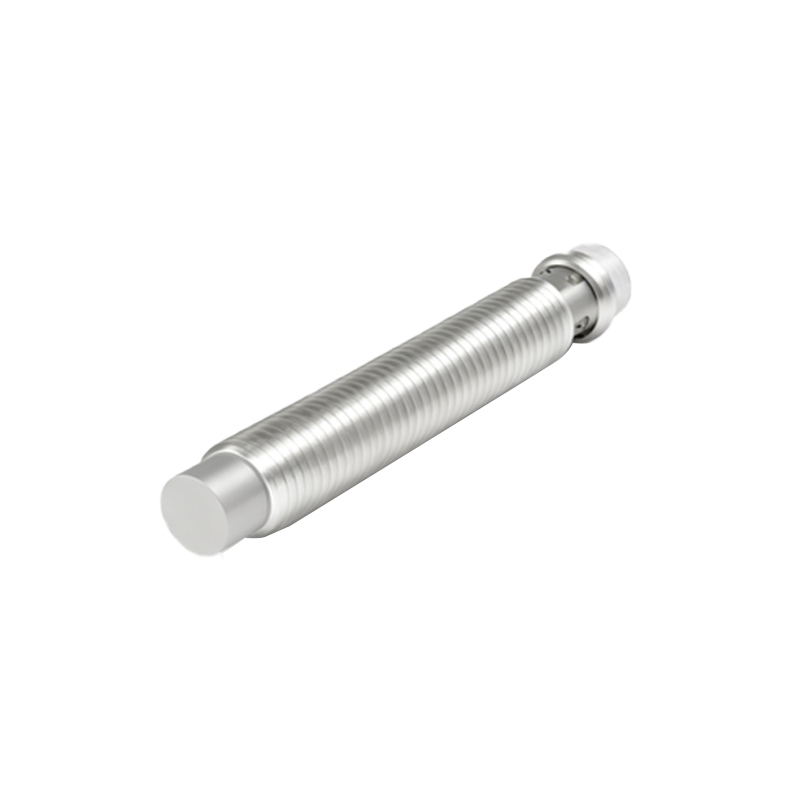
Advanced amplifier units offer sophisticated features that push the boundaries of application potential. Teach-in functionality allows for automatic setting of the sensitivity threshold by simply presenting the target object to the sensor. Analog outputs provide not just a switch signal, but a continuous value proportional to the distance to the target, enabling precise positioning or thickness measurement. Some units feature IO-Link or other digital communication protocols, enabling parameter setting, real-time monitoring, and condition-based maintenance data extraction directly onto the network, aligning with Industry 4.0 initiatives. This digital layer transforms a simple detection point into a smart node in the industrial IoT ecosystem.
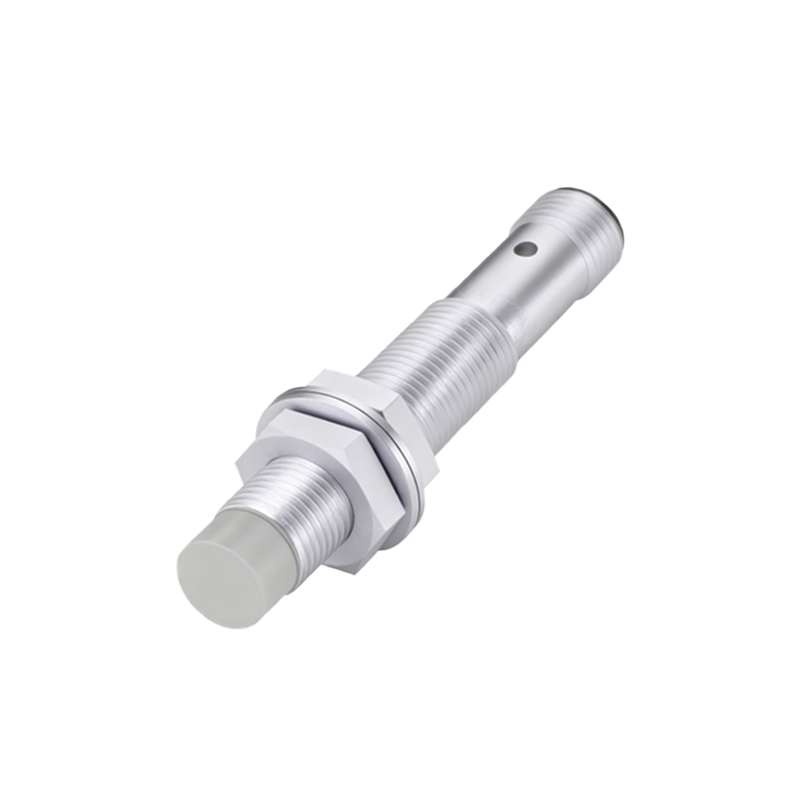
Integration best practices are vital for optimal performance. Proper shielding and routing of cables away from high-voltage power lines minimize electromagnetic interference. Ensuring a stable, clean power supply prevents erratic operation. The amplifier's adjustable parameters must be calibrated under real operating conditions, not just in a static bench test, to account for temperature effects and target material variations. Regular maintenance, though minimal, should include checking for loose connections, cleaning optical windows for photoelectric systems, and verifying that the unit's indicators align with the actual process events.
In conclusion, the proximity sensor amplifier unit is a force multiplier in automation design. By providing signal integrity, operational flexibility, and diagnostic clarity, it elevates a basic sensor into a reliable and intelligent component of the control loop. For engineers, a deep understanding of these units—from fundamental operation to advanced networking capabilities—is key to building systems that are not only functional but also adaptable, maintainable, and ready for the future of connected manufacturing. Specifying the right amplifier is not an afterthought; it is a fundamental step in ensuring detection accuracy and overall system longevity.