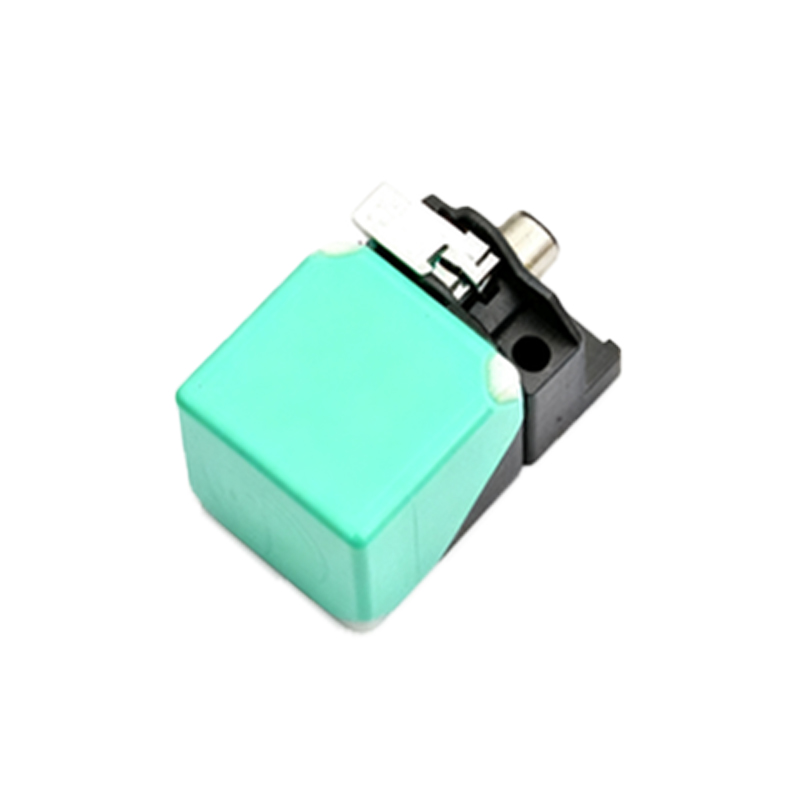
Metal proximity sensors are essential components in modern industrial automation, offering non-contact detection of metallic objects. These devices operate based on electromagnetic principles, primarily through inductive sensing technology. When a metal object enters the sensor's detection range, it disrupts an electromagnetic field generated by the sensor's coil, triggering a signal output. This process enables precise, reliable detection without physical contact, making it ideal for harsh environments where dirt, moisture, or mechanical wear could compromise performance.
The core of an inductive proximity sensor is an oscillator circuit that produces a high-frequency electromagnetic field around its sensing face. In the absence of a metal target, the oscillator maintains a steady state. As a conductive metal object approaches, eddy currents are induced on the metal's surface, drawing energy from the oscillator and reducing its amplitude. This change is detected by a threshold circuit, which then switches the sensor's output state—typically from off to on or vice versa. The sensing range depends on factors like the sensor's design, target metal type, and size. For instance, ferrous metals like iron and steel are detected at longer distances compared to non-ferrous metals such as aluminum or copper, due to higher magnetic permeability.
Key advantages of metal proximity sensors include high switching speeds, durability, and resistance to environmental factors. They are widely used in applications like position sensing in conveyor systems, object counting in packaging lines, and safety interlocks in machinery. Modern sensors also incorporate features like short-circuit protection, temperature stability, and embedded diagnostics, enhancing their versatility in complex automation setups.
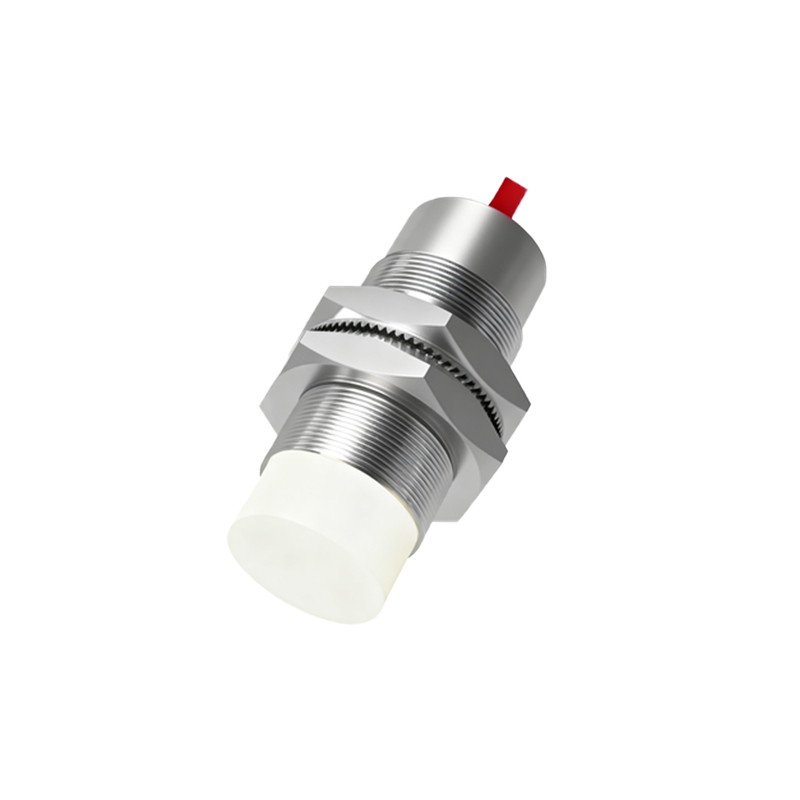
When selecting a proximity sensor, engineers must consider parameters such as nominal sensing distance, repeat accuracy, and housing material. Stainless steel or nickel-plated brass housings are common for corrosive environments. Additionally, output types (e.g., NPN, PNP, or analog) and connection methods (e.g., cable or connector) should align with the control system requirements. Regular maintenance involves checking for sensor alignment and contamination, though their non-contact nature minimizes wear over time.
In summary, metal proximity sensors leverage electromagnetic induction to provide efficient, contactless detection in industrial settings. Their robustness and adaptability continue to drive innovations in automation, from manufacturing to robotics, ensuring reliable operation in demanding conditions.