In the realm of industrial automation, the demand for precision, reliability, and durability has never been higher. Premium proximity sensors stand at the forefront of this evolution, offering unparalleled performance in detecting the presence or absence of objects without physical contact. These high-end devices are engineered to excel in the most challenging environments, from heavy machinery and automotive assembly lines to food processing and pharmaceutical applications. Unlike standard sensors, premium models incorporate advanced technologies such as enhanced sensing ranges, superior noise immunity, and robust housing materials like stainless steel or PBT polymers, ensuring consistent operation even under extreme temperatures, vibrations, or exposure to chemicals.
One of the key advantages of investing in high-quality proximity sensors is their long-term cost-effectiveness. While the initial price point may be higher, these sensors reduce downtime and maintenance expenses significantly. For instance, they feature self-diagnostic capabilities that alert operators to potential issues before failures occur, minimizing production interruptions. Additionally, their high switching frequency and accuracy contribute to optimized process control, leading to improved product quality and energy efficiency. Industries such as aerospace, where safety and precision are paramount, rely on these sensors for critical tasks like position monitoring and collision avoidance.
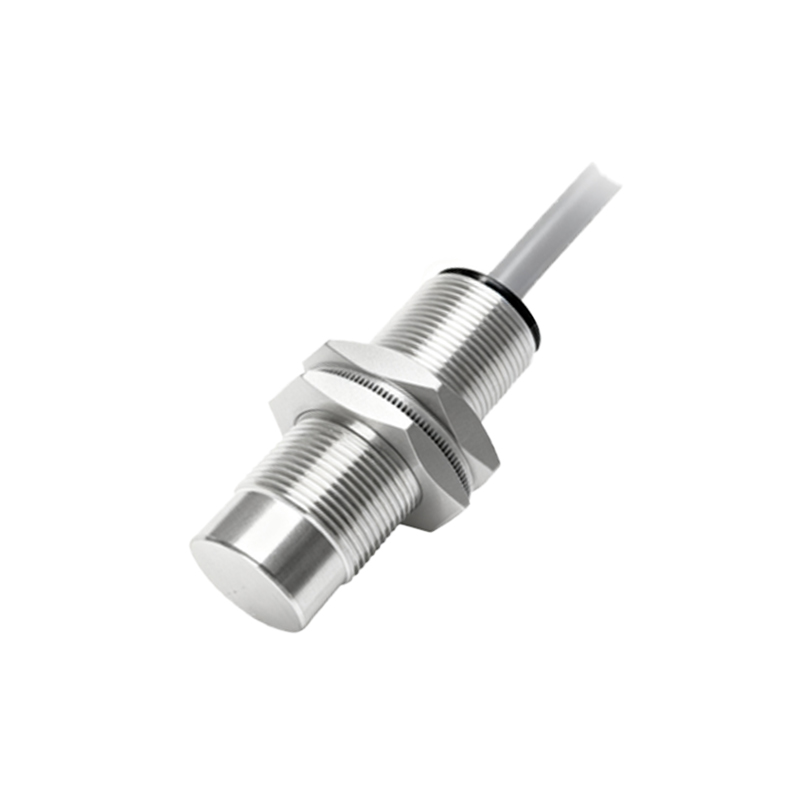
When selecting a premium proximity sensor, it is essential to consider factors like sensing technology (inductive, capacitive, or magnetic), output type (PNP, NPM, or analog), and environmental ratings (IP67, IP69K). Leading manufacturers often provide customization options to meet specific application needs, including special cable lengths, connector types, or sensing face designs. For example, inductive sensors are ideal for metal detection in manufacturing, while capacitive variants can handle non-metallic materials like plastics or liquids. The integration of IoT connectivity in some high-end models enables real-time data monitoring and predictive maintenance, aligning with Industry 4.0 trends.
In conclusion, premium proximity sensors represent a smart investment for businesses aiming to enhance operational efficiency and competitiveness. Their advanced features not only ensure reliable performance but also future-proof industrial systems against evolving technological demands. By choosing high-end sensing solutions, companies can achieve greater automation precision, reduce waste, and maintain a safer working environment, ultimately driving growth in an increasingly automated world.