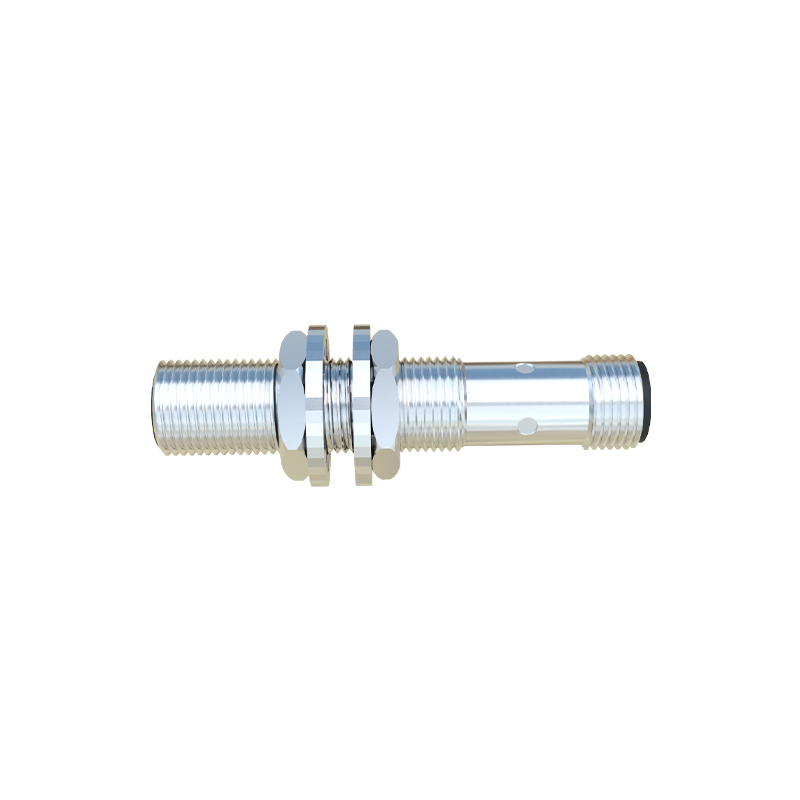
In the vast landscape of industrial automation and control systems, 24V DC proximity sensors stand as fundamental components, prized for their reliability, safety, and compatibility with standard industrial power supplies. Unlike higher voltage alternatives, 24V sensors offer a robust balance of performance and user safety, making them the go-to choice in numerous applications. Understanding where to deploy these sensors is crucial for optimizing machine efficiency, ensuring operator safety, and maintaining seamless production flow.
One of the primary domains for 24V proximity sensors is material handling and packaging machinery. On conveyor systems, they are indispensable for object detection, counting, and position verification. For instance, a capacitive or inductive proximity sensor can detect the presence of a box, bottle, or pallet, triggering the next action in the sequence, such as sorting, diverting, or stopping the belt. In automated storage and retrieval systems (AS/RS), these sensors provide precise feedback on the position of shuttles and lifts, ensuring accurate placement and retrieval of items. Their fast response time and non-contact nature prevent damage to both the product and the machinery.
The realm of automotive manufacturing heavily relies on 24V proximity sensors for assembly line automation. They are deployed in robotic welding cells to confirm the presence of a car body panel before a weld is executed, preventing costly errors and tool crashes. Inductive sensors are particularly valuable here for detecting metallic components, such as engine blocks or chassis parts, even in the presence of coolants and oils. Furthermore, in paint shops and finishing lines, where explosive atmospheres are a concern, appropriately rated 24V sensors ensure safe operation without spark risks.
Machine tools and CNC equipment represent another critical application area. Here, 24V sensors perform vital tasks like tool presence detection, workpiece clamping confirmation, and end-of-travel limit switching. A sensor can verify that a drill bit or milling tool is correctly seated in the spindle before operation commences, preventing catastrophic failure. They also monitor the position of slides, turrets, and tool changers, providing the control system with real-time feedback for precise motion control. Their durability is key in withstanding the harsh environment of metal chips, vibrations, and cutting fluids.
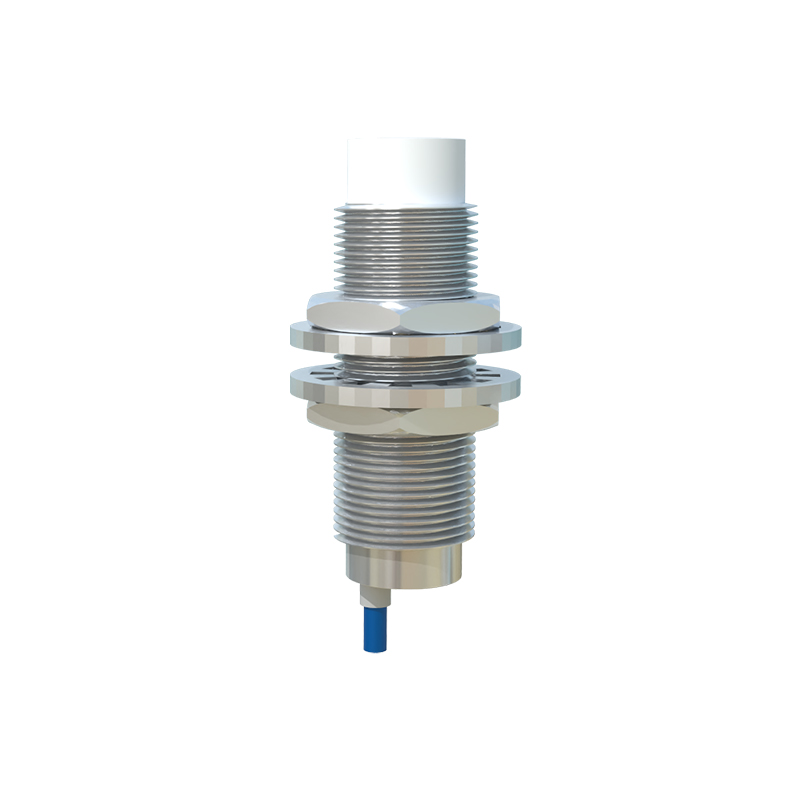
In the food and beverage and pharmaceutical industries, where hygiene is paramount, 24V stainless steel housed proximity sensors are ubiquitous. They are used to detect fill levels in tanks, control valve positions, and verify cap placement on bottles—all without physical contact that could contaminate the product. Washdown-duty sensors withstand frequent high-pressure cleaning with caustic chemicals, ensuring compliance with strict sanitary regulations. Their low-voltage operation is an additional safety benefit in often wet environments.
Beyond these, 24V proximity sensors are integral to modern robotics. Mounted on robotic arms or end-effectors, they provide object detection for pick-and-place operations, ensuring the gripper is correctly positioned before closing. They also serve as safety interlocks on robotic cell fencing, detecting when a protective door is open and immediately halting robot movement to protect personnel.
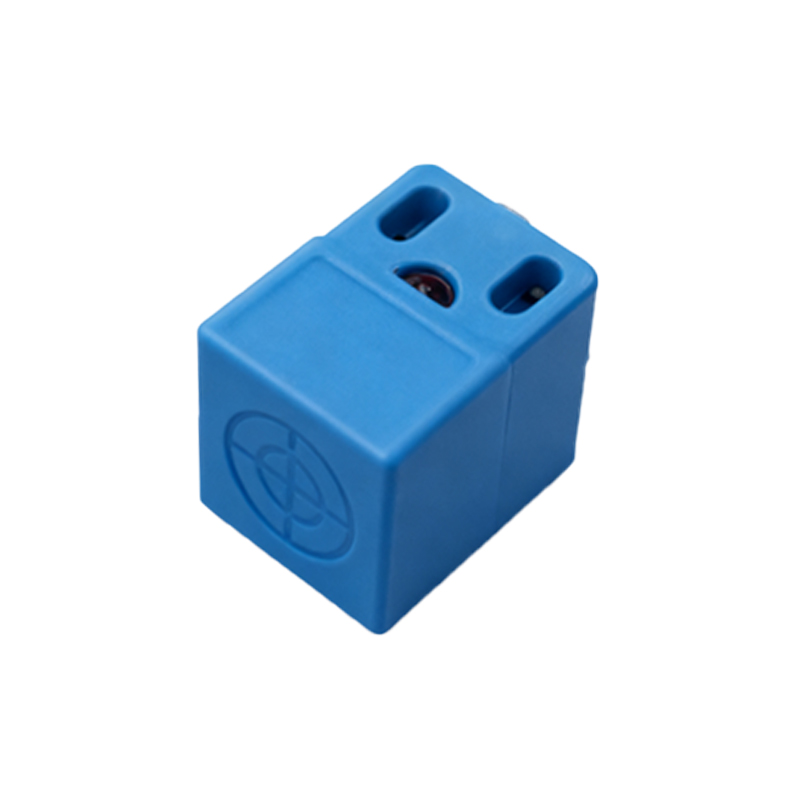
The choice between inductive (for metals), capacitive (for liquids, plastics, wood), and magnetic (for cylinder piston position) types of 24V sensors depends entirely on the target material and environmental conditions. Their wiring is straightforward, typically connecting to a PLC's digital input module, forming the essential sensory link between the physical world and the control logic.
In summary, 24V proximity sensors are the silent workhorses of industrial automation. Their deployment spans from the gritty floors of metal stamping plants to the sterile halls of pharmaceutical packaging. By providing non-contact, reliable detection of objects and positions, they enable the precision, speed, and safety that define modern manufacturing. Selecting the right sensor type and installing it in the correct location—be it for detection, positioning, or safety—is a fundamental task for any control engineer aiming to build a resilient and efficient automated system.