In the rapidly evolving landscape of industrial automation, consumer electronics, and IoT devices, proximity sensors have become indispensable components. These sensors, which detect the presence or absence of nearby objects without physical contact, are critical for applications ranging from smartphone screen management to complex robotic assembly lines. While many companies design and manufacture their own sensors, a significant portion of the market relies on Original Design Manufacturer (ODM) partners. This model offers a strategic pathway for businesses to integrate advanced sensing technology without the immense overhead of in-house R&D and production.
An ODM for proximity sensors is a specialized manufacturer that provides comprehensive services, from initial design and engineering to full-scale production and testing. Unlike an Original Equipment Manufacturer (OEM), which builds products to a client's exact specifications, an ODM often offers pre-designed, customizable sensor platforms. Clients can then tailor these platforms—adjusting parameters like sensing range, output type, form factor, and environmental resilience—to meet their specific application needs. This collaborative model allows brands to bring sophisticated, sensor-enabled products to market faster and more cost-effectively.
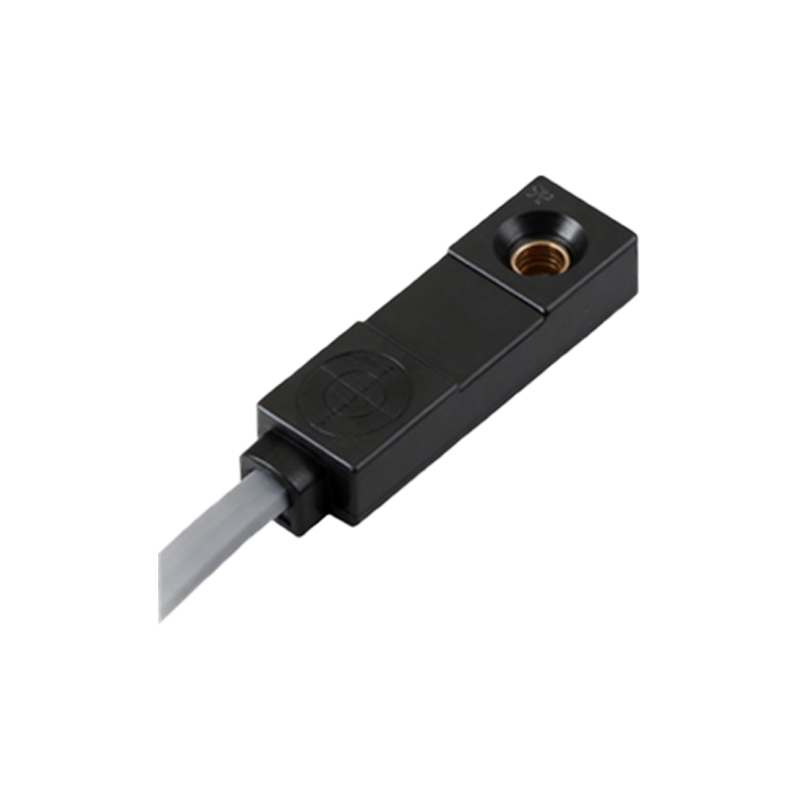
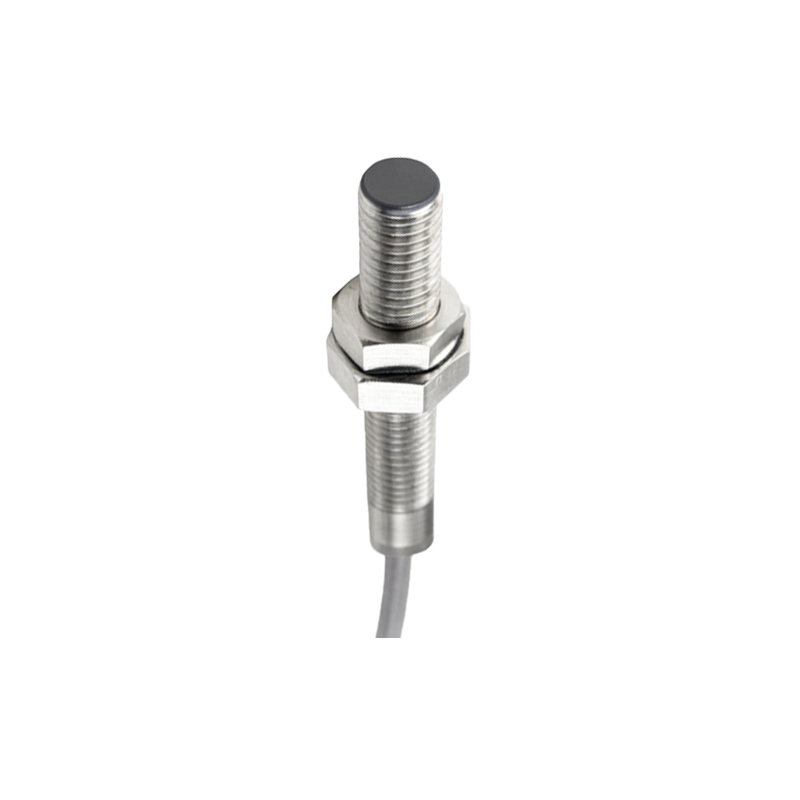
The core technologies behind proximity sensors offered by ODMs are diverse, each suited to different applications. Common types include Inductive Sensors, ideal for detecting metallic objects in harsh industrial environments; Capacitive Sensors, which can detect both metallic and non-metallic materials like liquids or plastics; and Photoelectric Sensors, which use light beams to detect objects at greater distances. For consumer electronics, such as smartphones and tablets, ODMs frequently specialize in miniaturized Infrared (IR) proximity sensors. The ODM's expertise lies in not just manufacturing these sensors but in optimizing their performance, power consumption, and integration into the client's final product.
Choosing the right ODM partner is a critical strategic decision. Key considerations extend beyond simple unit cost. Technical competency is paramount; a proficient ODM should have deep application knowledge to advise on the optimal sensor technology for a given use case, whether it's for automotive parking assistance, a home appliance's touchless interface, or an industrial safety curtain. Their design support should include simulation, prototyping, and rigorous testing for reliability under various conditions like temperature extremes, humidity, and electromagnetic interference.
Manufacturing capability and quality assurance form another pillar. A reputable ODM operates state-of-the-art production facilities with automated assembly lines and stringent process controls. They should adhere to international quality standards (like ISO 9001) and provide clear documentation and traceability. Supply chain stability is equally crucial, as sensor components can be subject to market fluctuations. A strong ODM manages this risk through strategic sourcing and inventory management, ensuring consistent product availability.
The benefits of the ODM model for proximity sensors are compelling. It dramatically reduces time-to-market by leveraging the ODM's existing design libraries and engineering resources. It lowers capital expenditure, as the client avoids investing in expensive cleanrooms, calibration equipment, and specialized personnel. It also provides scalability; ODMs are equipped to handle orders from small pilot runs to mass production volumes, allowing clients to scale flexibly in response to market demand. Furthermore, it grants access to continuous innovation, as leading ODMs invest in R&D to improve sensor accuracy, reduce size, and enhance functionality, passing these advancements on to their clients.
However, potential challenges must be managed. There is a risk of design commoditization if the ODM's platform is used by multiple competitors. To mitigate this, successful partnerships involve close collaboration to create differentiated, value-added sensor solutions. Intellectual property (IP) protection is another vital concern, requiring clear contractual agreements. Finally, maintaining consistent quality across high-volume production runs demands a transparent and collaborative quality management process between the client and the ODM.
In conclusion, ODM solutions for proximity sensors represent a powerful enabler for innovation across industries. They provide a bridge between advanced sensing technology and practical product development, allowing companies to focus on their core competencies and market strategy. By carefully selecting an ODM partner with robust technical expertise, reliable manufacturing, and a collaborative ethos, businesses can effectively harness the power of proximity sensing to create smarter, safer, and more responsive products for the global market. As the demand for automation and intuitive human-machine interaction grows, the strategic role of specialized sensor ODMs will only continue to expand.