In the world of industrial automation and electronic device design, sensors act as the critical sensory organs, providing essential data for control systems. Among the myriad of sensor types, proximity sensors and photoelectric sensors are two of the most prevalent and sometimes confused technologies. While both serve the fundamental purpose of non-contact detection, their operating principles, strengths, and ideal applications differ significantly. Understanding these differences is key to selecting the right component for any project, ensuring reliability, efficiency, and cost-effectiveness.
Understanding Proximity Sensors
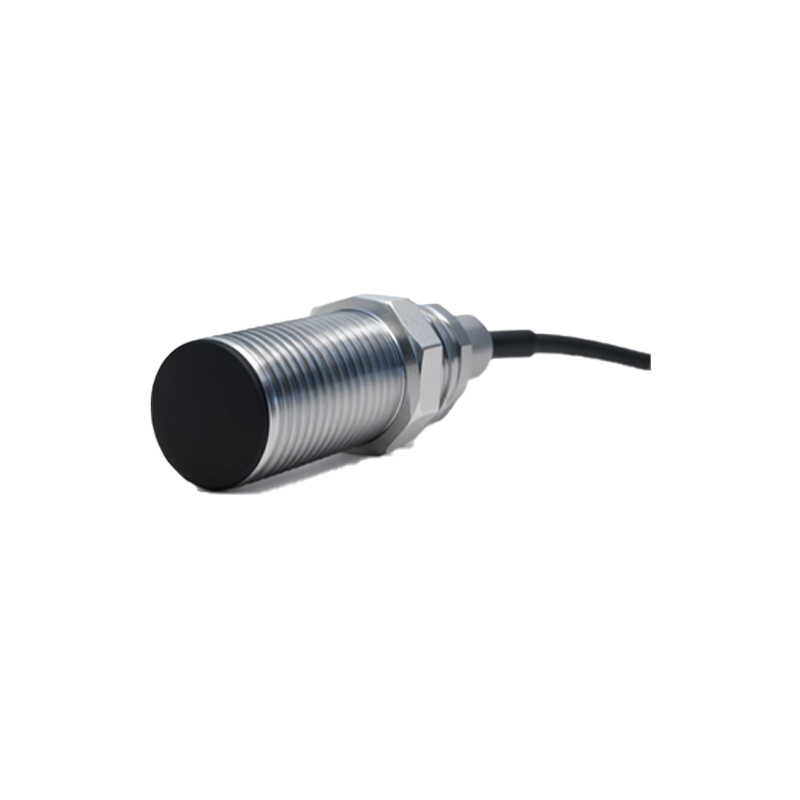
Proximity sensors are devices that detect the presence or absence of an object within a specific range without any physical contact. The most common type is the inductive proximity sensor. These sensors generate an electromagnetic field. When a metallic object enters this field, it induces eddy currents within the object, which in turn cause a change in the sensor's own oscillation amplitude. This change is detected and converted into an electrical output signal, typically switching a load on or off. Another type is the capacitive proximity sensor, which can detect both metallic and non-metallic materials (like plastic, wood, or liquid) by sensing changes in capacitance caused by the object's dielectric properties.
The core advantages of proximity sensors lie in their robustness and reliability. They are generally unaffected by environmental factors like dust, dirt, oil, or ambient light. Being solid-state devices with no moving parts, they offer long operational life and high-speed switching capabilities. Their detection range, however, is typically limited, often from a few millimeters up to about 60 millimeters for standard models. They are the go-to choice in harsh industrial environments—think metal machining, automotive assembly lines, or valve position detection—where the target is metallic and the conditions are dirty or wet.
Understanding Photoelectric Sensors
Photoelectric sensors, in contrast, operate on the principle of light. They consist of a light emitter (usually an LED producing visible red, infrared, or laser light) and a receiver. The sensor detects an object by interpreting changes in the light signal received. There are three primary operating modes: Through-beam (or opposed), Retro-reflective, and Diffuse (or proximity) mode.
Through-beam sensors have separate emitter and receiver units placed opposite each other. Detection occurs when the object breaks the light beam. This mode offers the longest sensing range and highest reliability. Retro-reflective sensors house the emitter and receiver in the same housing, using a reflector to bounce the light back. An object is detected when it interrupts this reflected beam. Diffuse sensors also have the emitter and receiver in one unit, but they detect the light reflected directly off the target object itself.
The primary strength of photoelectric sensors is their versatility in range and target material. They can detect objects from a few centimeters up to several meters away. They are indifferent to the target's material; they can sense metal, plastic, paper, glass, or even transparent films, depending on the model and setup. However, their performance can be compromised by environmental interferences such as heavy dust, fog, steam, or highly reflective backgrounds, which may cause false triggers. Common applications include packaging lines, material handling, object counting on conveyors, and level detection in transparent containers.
Key Comparison and Selection Guidelines
Choosing between a proximity sensor and a photoelectric sensor hinges on specific application parameters:
Target Material: For metallic objects, especially in challenging environments, an inductive proximity sensor is often superior. For non-metallics, transparent objects, or varied materials, a photoelectric sensor is necessary.
Sensing Distance: For very short-range detection (under 60mm), proximity sensors are compact and reliable. For medium to long-range needs, photoelectric sensors are the clear choice.
Environmental Conditions: Dirty, oily, or wet environments favor rugged proximity sensors. Clean environments or applications requiring detection through glass or plastic are ideal for photoelectric sensors.
Speed and Precision: Both offer high-speed operation, but photoelectric through-beam sensors can provide extremely precise positioning for small objects.
Cost and Complexity: Basic proximity sensors are often simple and cost-effective for metal detection. Photoelectric systems, especially through-beam with separate components, can involve more complex alignment but offer greater flexibility.
In summary, there is no universal "best" sensor. Inductive proximity sensors excel as the rugged, dependable choice for metallic targets in tough conditions. Photoelectric sensors shine with their long-range capability and ability to detect virtually any material. By carefully evaluating the target properties, required sensing distance, and operating environment, engineers and designers can leverage the unique strengths of each technology to build smarter, more responsive, and more efficient automated systems.