Infrared (IR) proximity sensors are a cornerstone technology in modern automation and smart systems. Their ability to detect the presence, absence, or distance of an object without physical contact makes them indispensable across a vast spectrum of industries. Understanding where to deploy these sensors is key to designing efficient, reliable, and cost-effective solutions. This guide explores the primary application domains for infrared proximity sensors, detailing their operational advantages and implementation considerations.
The fundamental principle behind an IR proximity sensor involves emitting an infrared light beam and measuring the intensity of the light that is reflected back to a receiver. The amount of reflected light correlates to the distance or presence of an object within its detection field. This simple yet robust mechanism enables non-contact sensing in environments where dirt, moisture, or mechanical wear would compromise other sensor types.
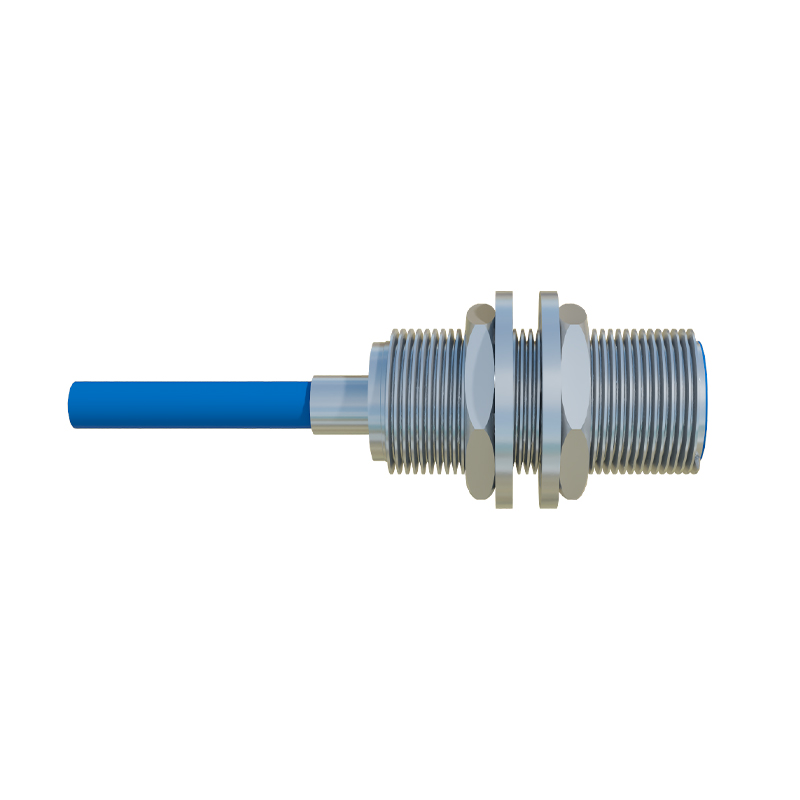
One of the most prevalent and critical applications is in Consumer Electronics. Here, IR proximity sensors are integral to enhancing user experience and conserving power. In smartphones and tablets, a sensor placed near the earpiece detects when the device is held to the user's face during a call. This triggers the screen to turn off, preventing accidental touch inputs and saving battery life. Similarly, in smartwatches and laptops, these sensors enable features like automatic screen wake/sleep based on user presence. The demand here is for miniaturized, low-power, and highly responsive sensors.
The Industrial Automation sector relies heavily on IR proximity sensors for precise object detection and positioning. On assembly lines, they count products, verify the presence of components, and detect jams. They are used in packaging machinery to ensure correct box placement and in robotic arms for non-contact guidance and obstacle avoidance. Their immunity to electrical noise and ability to sense a wide variety of materials (excluding clear glass or certain black plastics that absorb IR) make them suitable for harsh factory environments. Long-range variants are employed in warehouse automation for vehicle guidance and pallet detection.
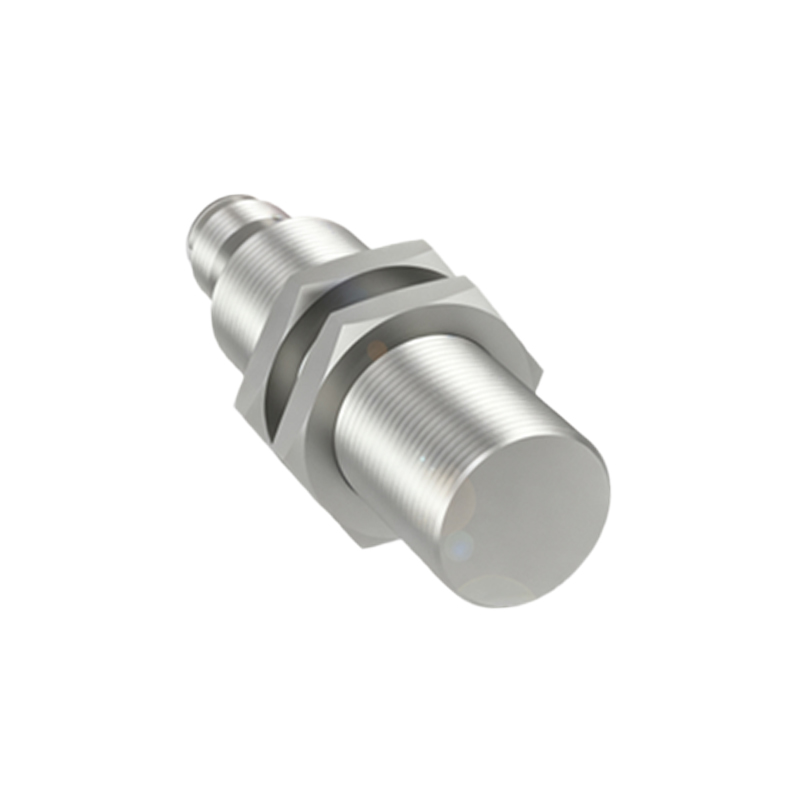
Home Automation and Security is another rapidly growing field. IR sensors form the backbone of many smart home systems. They are used in automatic door openers in commercial buildings and garages, activating when a person approaches. In security systems, they create invisible beams as part of intrusion detection alarms; when the beam is broken, an alert is triggered. Within the home, they are found in touchless faucets, soap dispensers, and paper towel dispensers, promoting hygiene and efficiency. Smart lighting systems use occupancy sensors, often based on IR, to turn lights on or off based on room occupancy, leading to significant energy savings.
The Automotive Industry incorporates IR proximity sensors for both safety and convenience. They are key components in Advanced Driver-Assistance Systems (ADAS). While LiDAR and radar handle long-range detection, IR sensors excel at short-range scenarios like blind-spot monitoring, parking assistance, and collision avoidance at low speeds. Inside the vehicle, they are used for gesture recognition to control infotainment systems without physical contact, reducing driver distraction. Some systems also use cabin-facing IR sensors to monitor driver alertness.
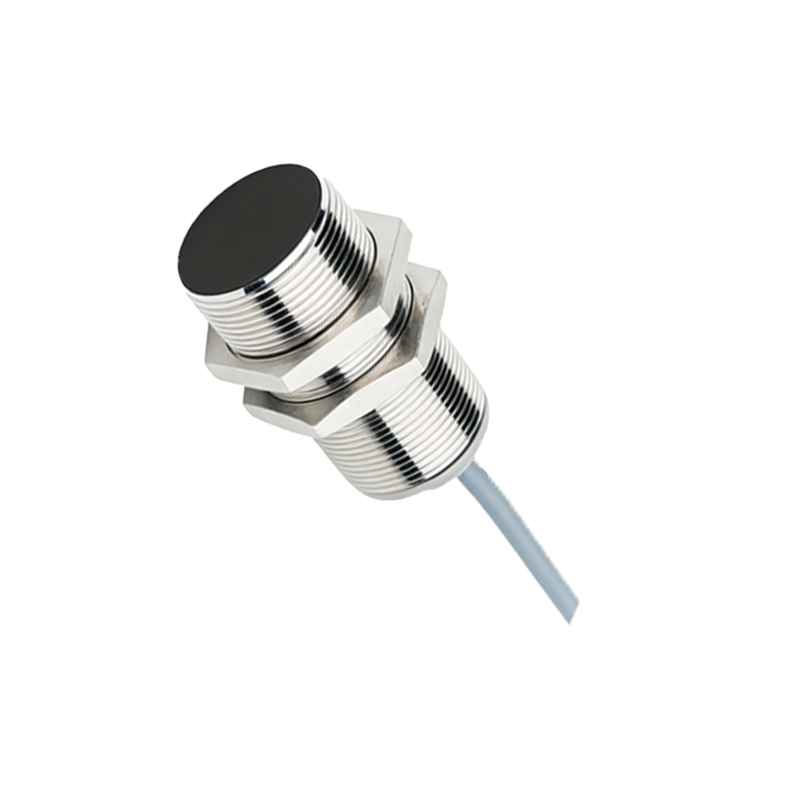
In Appliances and Vending, these sensors ensure operational reliability. Modern printers use IR sensors to detect paper jams and low paper levels. Copy machines use them to align documents. Vending machines employ them to confirm product dispensing and to detect coin or bill insertion. In household appliances like robotic vacuum cleaners, arrays of IR sensors map rooms and detect obstacles to navigate effectively.
When implementing an IR proximity sensor, engineers must carefully consider several environmental and technical factors. Ambient light, especially direct sunlight which contains intense IR radiation, can saturate the receiver and cause false readings. Selecting sensors with modulated IR signals (pulsing at a specific frequency) helps mitigate this interference. The color, texture, and material of the target object affect reflectivity; highly reflective surfaces can cause inaccurate short-distance readings, while dark, non-reflective surfaces may not be detected at the expected range. The required sensing range, response time, and output type (digital or analog) must also align with the application's needs.
In conclusion, the question of where to use infrared proximity sensors has a nearly ubiquitous answer: anywhere reliable, non-contact detection is required. From the smartphone in your pocket to the robotic arm in a factory, from the automatic door at the supermarket to the safety systems in your car, IR proximity sensors work silently and effectively. Their versatility, durability, and declining cost continue to open new application frontiers, solidifying their role as a fundamental enabling technology in the interconnected, automated world. For engineers, selecting the right sensor and designing for its environmental constraints are the final, crucial steps to harnessing its full potential.