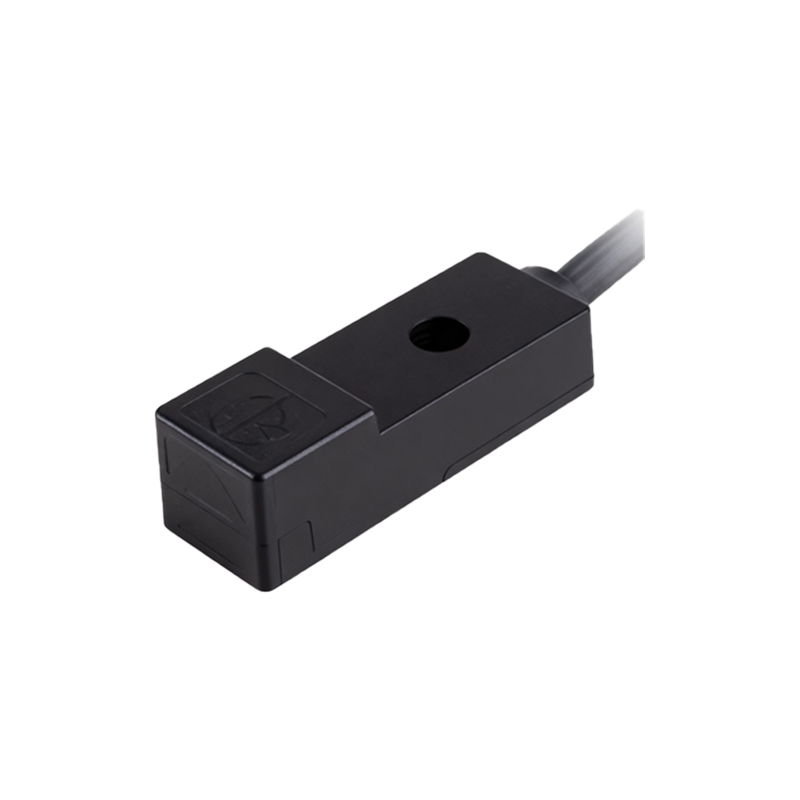
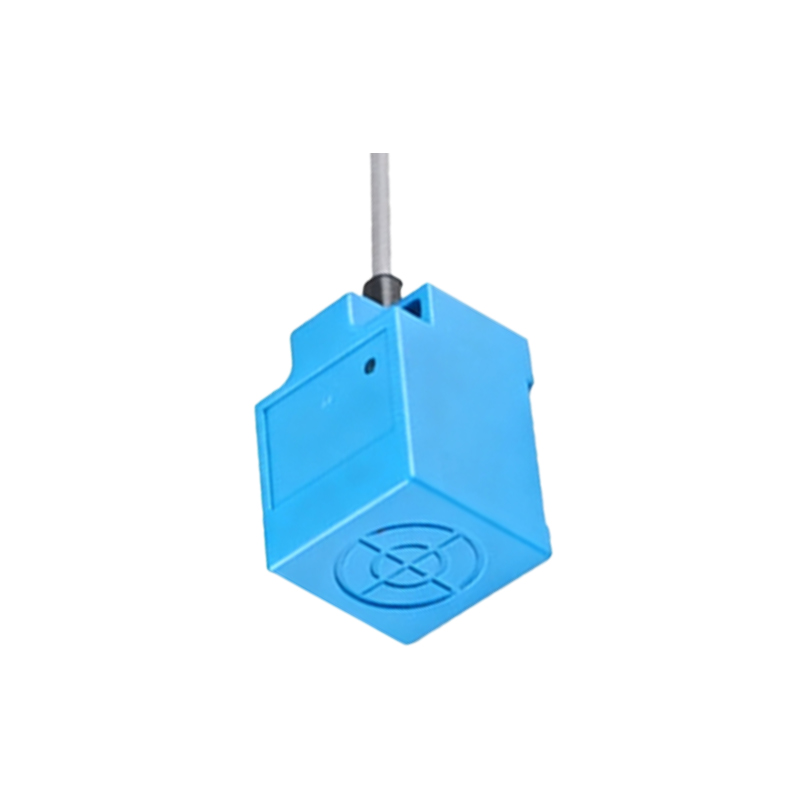
Proximity metal sensor chips are fundamental components in modern industrial automation, enabling non-contact detection of metallic objects through advanced electromagnetic principles. These integrated circuits (ICs) are engineered to generate an oscillating electromagnetic field, typically using a coil or planar inductor structure fabricated on a silicon substrate. When a metallic target enters this field, eddy currents are induced within the metal, causing a measurable change in the sensor's oscillation characteristics—such as amplitude, frequency, or phase shift. The chip's internal circuitry, often comprising an oscillator, demodulator, and signal conditioning blocks, precisely detects this perturbation and converts it into a clean, digital output signal.
The core operational principle hinges on electromagnetic induction and the resultant energy loss. In a typical inductive proximity sensor chip, an internal oscillator drives a resonant LC tank circuit to create a high-frequency alternating magnetic field extending from the sensor face. Ferrous metals (like iron and steel) not only induce eddy currents but also concentrate the magnetic flux due to their high permeability, leading to a more pronounced effect. Non-ferrous metals (such as aluminum, copper, or brass) primarily affect the sensor through eddy current losses, which increase the effective resistance in the oscillator circuit. The chip meticulously monitors the energy required to sustain oscillation; a decrease in amplitude or a shift in resonant frequency indicates the presence of a metal target. Advanced chips employ auto-tuning algorithms to compensate for environmental drift and ensure stable switching points.
Key design considerations for these semiconductor devices include sensing range, response frequency, and immunity to environmental interference. The effective sensing distance, usually a few millimeters, is dictated by the coil design, oscillator power, and the target's size, material, and shape. For high-speed applications, such as counting metal parts on a conveyor, chips are designed with rapid response times and high switching frequencies, often exceeding several kilohertz. Robustness is achieved by integrating shielding techniques and differential sensing methods to reject common-mode noise from adjacent motors or power lines. Furthermore, modern proximity sensor ICs incorporate temperature compensation circuits and voltage regulation to maintain performance across harsh industrial environments.
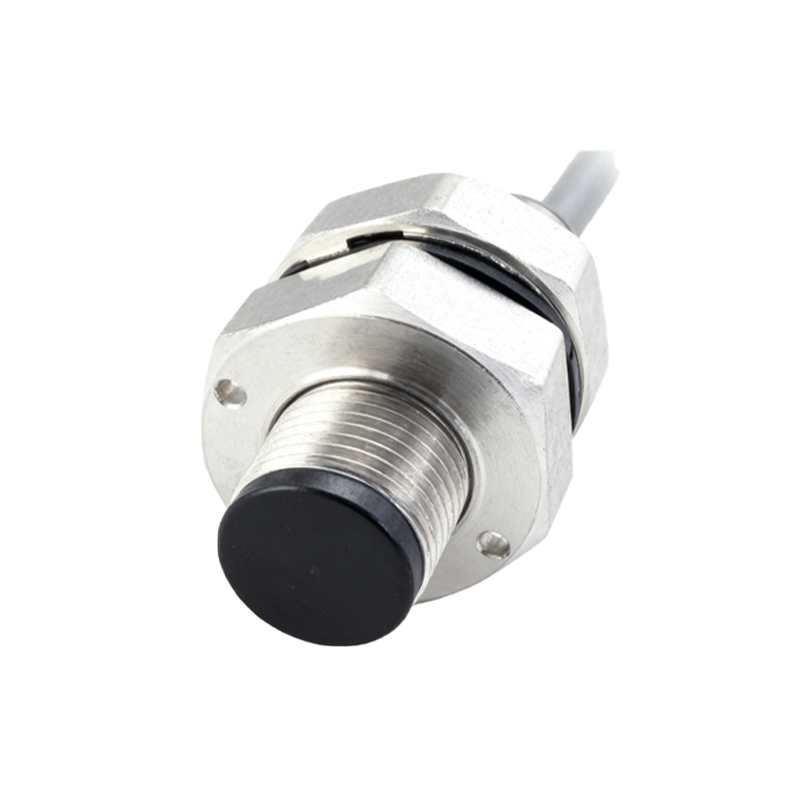
Applications are vast and critical across factory floors. They are ubiquitously deployed for position sensing (e.g., verifying cylinder end-of-stroke), object counting, jam detection in machinery, and as safety interlock switches. In automotive assembly, these sensors verify the presence of metal components. In packaging machinery, they detect foil seals or metalized labels. Their solid-state, wear-free nature offers a significant reliability advantage over mechanical limit switches. The integration of diagnostics, such as short-circuit and overload protection, directly into the chip enhances system intelligence and reduces downtime.
Looking forward, the evolution of proximity metal sensor chips trends toward greater miniaturization, lower power consumption, and enhanced smart features. Integration with industrial communication interfaces (like IO-Link) allows for parameterization and real-time data exchange, paving the way for predictive maintenance and Industry 4.0 applications. Developments in multi-channel and analog-output chips provide more flexible sensing solutions. Ultimately, these sophisticated ICs remain indispensable for enabling precise, reliable, and efficient automated control systems by providing the essential electronic "sense of touch" for metal detection.