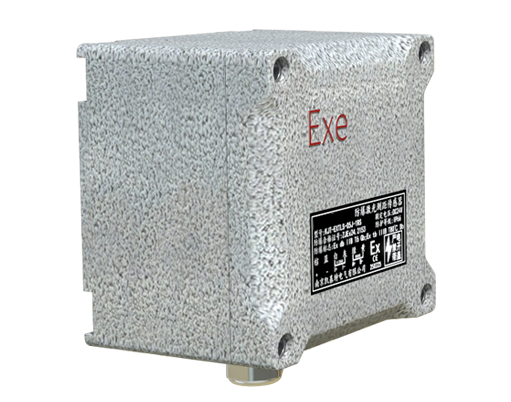
In modern industrial automation, laser joint detection sensors have become indispensable tools for ensuring precision, reliability, and efficiency in manufacturing processes. These sensors utilize advanced laser technology to inspect and measure joints in various materials, including metals, plastics, and composites, providing real-time data that enhances quality control and reduces operational downtime. This article delves into the working principles, key features, applications, and benefits of laser joint detection sensors, offering insights for engineers and industry professionals seeking to optimize their production systems.
Laser joint detection sensors operate based on the principle of triangulation or time-of-flight measurement. In triangulation-based systems, a laser beam is projected onto the joint surface, and the reflected light is captured by a detector at a known angle. By analyzing the position of the reflected spot, the sensor calculates the distance and profile of the joint with high accuracy. Time-of-flight sensors, on the other hand, measure the time taken for a laser pulse to travel to the joint and back, enabling precise depth and gap assessments. Both methods offer non-contact measurement, minimizing wear and tear and allowing for inspection of delicate or high-temperature materials without physical interference.
Key features of these sensors include high resolution, fast response times, and robust construction. Modern laser sensors can achieve micron-level accuracy, making them suitable for detecting minute defects such as cracks, misalignments, or insufficient weld penetration. Their rapid data acquisition capabilities—often in the millisecond range—support integration into high-speed production lines, where real-time feedback is crucial for adaptive control. Additionally, many models are designed with IP67 or higher ratings, ensuring durability in harsh environments like automotive assembly plants or aerospace manufacturing facilities, where dust, moisture, and vibrations are common.
Applications of laser joint detection sensors span multiple industries. In automotive manufacturing, they are used to inspect welds in chassis and body frames, ensuring structural integrity and safety compliance. The aerospace sector relies on these sensors for verifying joint quality in aircraft components, where even minor flaws can lead to catastrophic failures. In electronics, they assist in assessing solder joints on circuit boards, preventing short circuits and enhancing product longevity. Furthermore, the construction and pipeline industries employ laser sensors to monitor seams in metal structures and welds in oil and gas conduits, promoting durability and leak prevention.
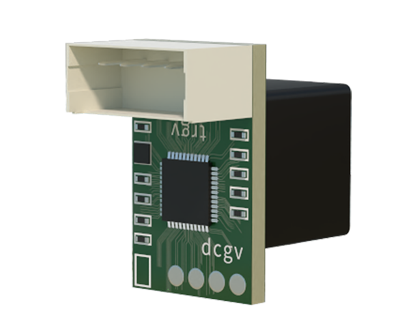
The benefits of integrating laser joint detection sensors into industrial systems are substantial. First, they enhance quality assurance by providing objective, repeatable measurements that reduce human error. Second, they boost productivity through automated inspection, allowing for continuous monitoring without halting production. Third, they contribute to cost savings by minimizing material waste and rework, as defects are identified early in the process. Finally, these sensors support predictive maintenance by tracking joint degradation over time, enabling proactive repairs before failures occur.

Looking ahead, advancements in laser technology and artificial intelligence are poised to further revolutionize joint detection. Smart sensors with embedded AI algorithms can learn from historical data to predict anomalies and optimize inspection parameters. Integration with Industry 4.0 platforms will facilitate seamless data exchange across networks, enabling comprehensive analytics and remote monitoring. As industries increasingly prioritize precision and sustainability, laser joint detection sensors will continue to evolve, offering more compact, energy-efficient, and versatile solutions for tomorrow's challenges.
In conclusion, laser joint detection sensors represent a critical innovation in industrial automation, driving improvements in safety, efficiency, and quality. By understanding their capabilities and applications, engineers can leverage these tools to build more resilient and competitive manufacturing ecosystems.