In the realm of industrial automation and electrical control systems, proximity switch sensors are indispensable components. They detect the presence or absence of an object without physical contact, ensuring precise, reliable, and wear-free operation. To guarantee their optimal performance, specialized measurement instruments are essential. This article delves into the principles, applications, and best practices for using proximity switch sensor measurement instruments, tailored for electrical engineers and industry professionals.
A proximity switch sensor measurement instrument is a dedicated device designed to test, calibrate, and diagnose inductive, capacitive, and magnetic proximity sensors. Its primary function is to verify key operational parameters such as switching distance, hysteresis, repeat accuracy, and response time. Unlike general-purpose multimeters, these instruments simulate real-world conditions by generating precise electromagnetic fields or capacitive changes, allowing for accurate assessment of a sensor's performance under controlled settings.
The core measurement principle involves evaluating the sensor's effective sensing range. For inductive sensors, the instrument typically uses a standardized target (often a square of Fe360 steel) mounted on a calibrated slide or actuator. The target is moved towards the sensor face, and the exact point where the sensor switches its output state is recorded as the operating distance. The instrument provides precise displacement readings, often with micrometer accuracy. Hysteresis, the difference between the switch-on and switch-off points, is also measured to ensure stable switching and prevent chatter. For capacitive sensors, the instrument may adjust dielectric constants or simulate target presence to test sensitivity thresholds.
Modern measurement instruments offer advanced features that significantly enhance diagnostic capabilities. Many units integrate digital displays showing real-time distance, voltage, or current values. Programmable test sequences allow for automated repeatability tests, calculating statistical variations in switching points. Some high-end models include oscilloscope functionality to analyze the sensor's output signal waveform, checking for rise time, fall time, and potential oscillations. Communication interfaces like USB, Ethernet, or industrial fieldbus protocols enable data logging, trend analysis, and integration into predictive maintenance systems. This connectivity is crucial for Industry 4.0 applications, where sensor health data feeds into centralized monitoring platforms.
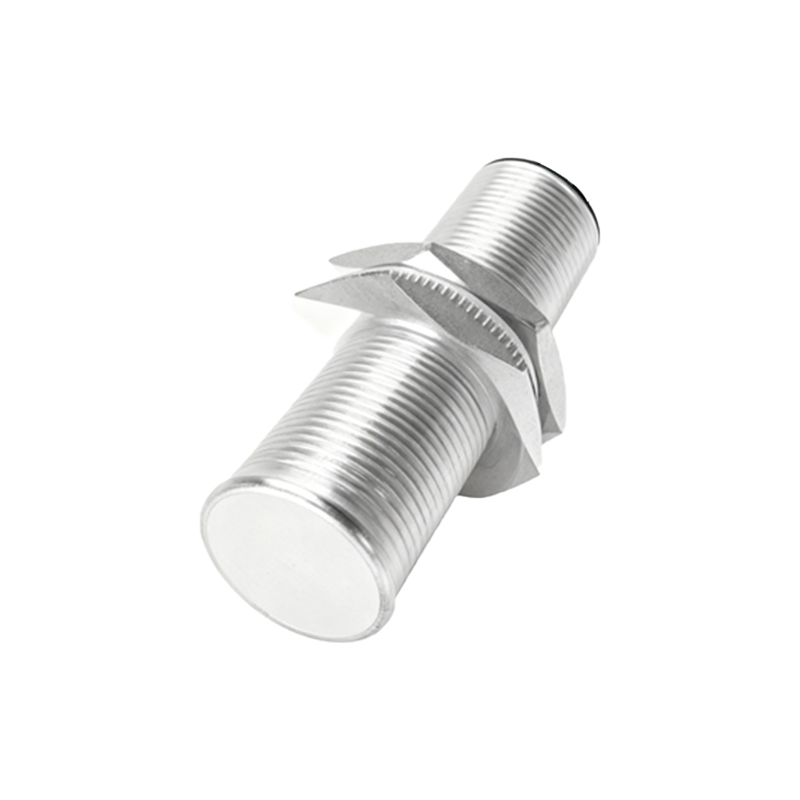
The application of these instruments spans the entire lifecycle of a proximity sensor. During installation and commissioning, technicians use them to verify the correct sensor type is installed and that it is positioned at the optimal distance from the target. This prevents common issues like false triggering or failure to detect. In preventive maintenance routines, regular performance checks with a measurement instrument can identify sensor degradation before it leads to system downtime. For instance, a gradual reduction in effective sensing distance might indicate wear in the sensor's oscillator circuit or buildup of contaminants. Troubleshooting faulty sensors becomes a systematic process: the instrument can isolate whether a failure is due to mechanical misalignment, electrical supply issues, or internal component failure.
Selecting the right measurement instrument requires careful consideration of several factors. First, compatibility with the sensor technology (inductive, capacitive, or magnetic) is paramount. The instrument's measurement range must cover the nominal sensing distances of the sensors in use, from short-range 2mm models to long-range 30mm+ units. Accuracy and resolution are critical; for high-precision applications in robotics or assembly, a resolution of 0.01mm may be necessary. Environmental robustness is another key factor, especially for use in harsh industrial settings. Instruments with IP-rated enclosures protect against dust, oil, and coolants. Finally, consider usability features like intuitive menus, long battery life for portable units, and comprehensive calibration certificates traceable to national standards.
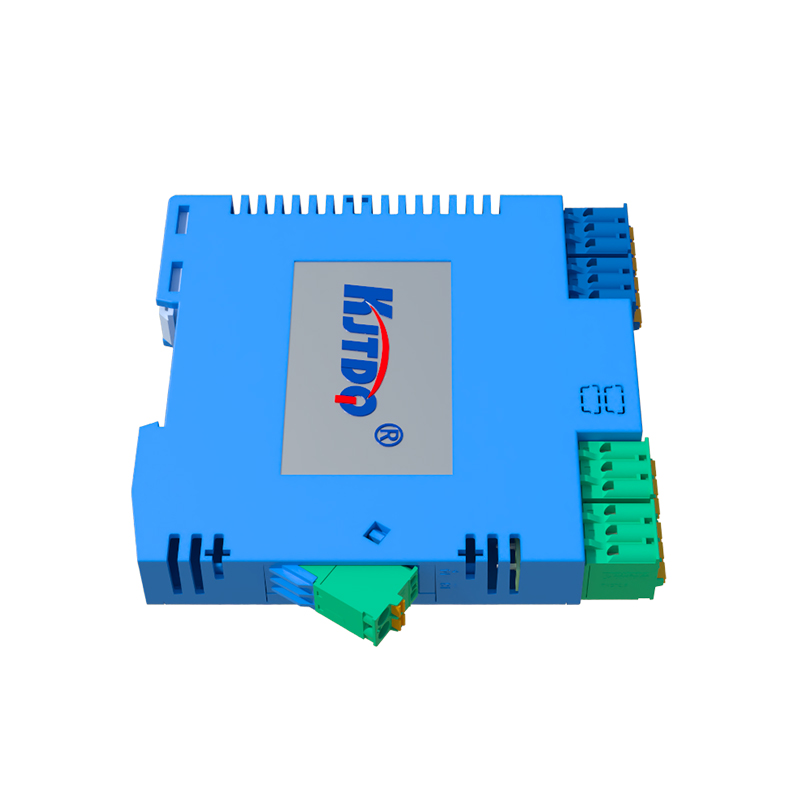
Best practices for using these instruments start with proper calibration. The measurement instrument itself should be calibrated at regular intervals, as per the manufacturer's recommendations or quality management system requirements (e.g., ISO 9001). Always use the standardized test target specified by the sensor manufacturer, as the sensing distance is materially dependent on target size, shape, and composition. Ensure the sensor is powered according to its datasheet specifications during testing. When measuring, approach the target along the sensor's central axis to avoid angular errors. Document all measurements, including environmental conditions like temperature, which can affect sensing characteristics.
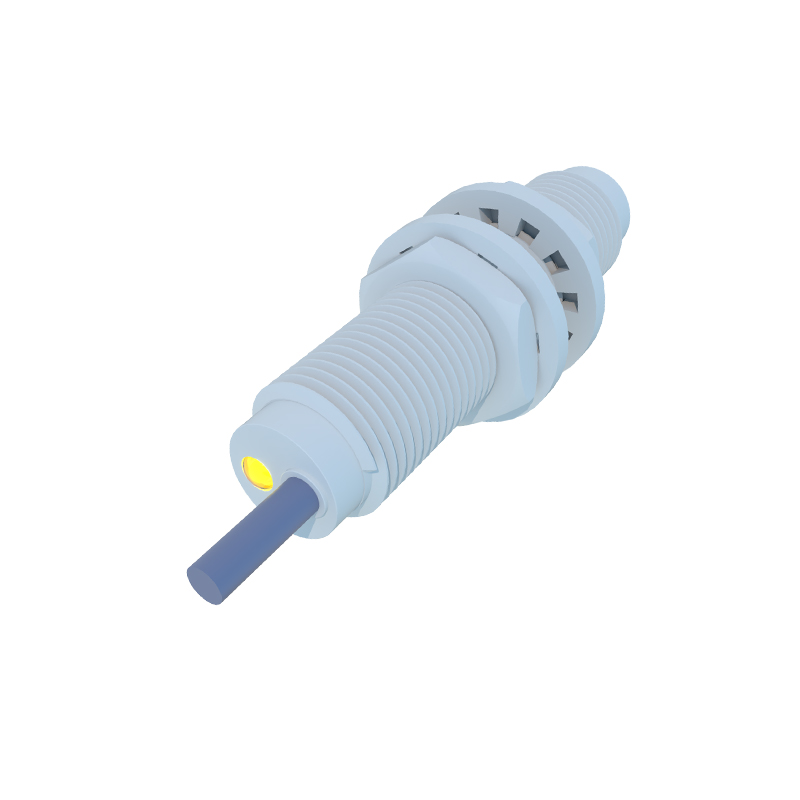
In conclusion, the proximity switch sensor measurement instrument is a vital tool for ensuring the reliability and efficiency of automated systems. By providing objective, quantitative data on sensor performance, it moves maintenance from a reactive to a predictive paradigm. For electrical engineers, mastering the use of this instrument is key to designing robust systems, minimizing unplanned downtime, and upholding the highest standards of operational safety and quality. As sensor technology evolves with smarter, IO-Link enabled devices, measurement instruments will continue to adapt, offering deeper diagnostics and seamless integration into the digital industrial landscape.