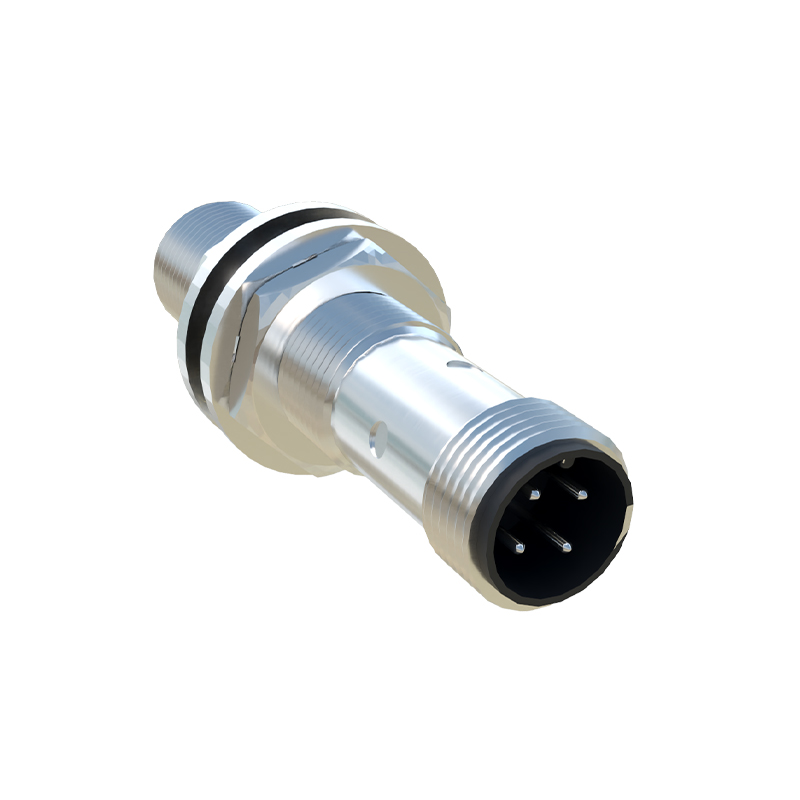
Proximity sensors are indispensable components in modern industrial automation, offering non-contact detection of metallic and non-metallic objects. Their ability to operate reliably in harsh environments—such as those with dust, moisture, or extreme temperatures—makes them a preferred choice for numerous applications. This article explores several real-world case studies that highlight the versatility and efficiency of proximity sensors across different industries.
In automotive manufacturing, proximity sensors play a critical role in assembly lines. For instance, inductive proximity sensors are used to detect the presence of engine blocks on conveyor belts. These sensors ensure precise positioning before robotic arms perform welding or machining operations. By providing real-time feedback, they minimize errors and reduce downtime, leading to increased production rates. Another application involves capacitive sensors detecting non-metallic materials like plastic bumpers or glass windshields, ensuring proper alignment during installation. The high-speed response of these sensors, often in milliseconds, supports the fast-paced nature of automotive production.
The food and beverage industry relies heavily on proximity sensors for hygiene and safety. In packaging lines, capacitive sensors detect liquid levels in containers without direct contact, preventing contamination. For example, in a bottling plant, sensors monitor fill levels to avoid overflows or underfills, ensuring consistent product quality. Additionally, magnetic proximity sensors are employed in conveyor systems to track the movement of metal lids or caps, enabling automated capping processes. Their resistance to frequent washdowns with corrosive cleaners makes them ideal for environments where sanitation is paramount.
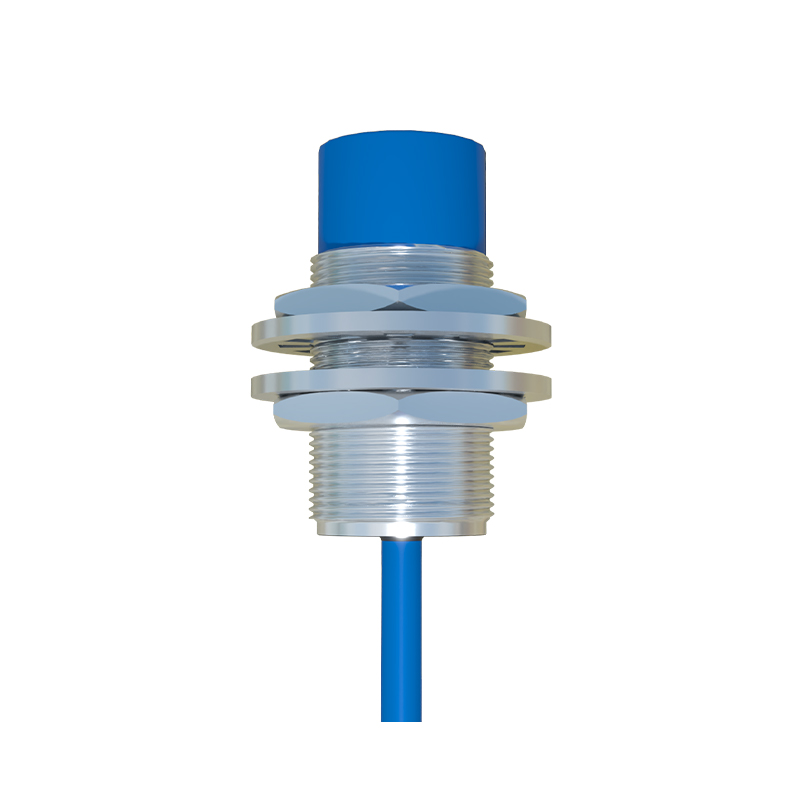
Material handling and logistics present another area where proximity sensors excel. In warehouse automation, ultrasonic sensors—a type of proximity sensor—are used for pallet detection and inventory management. They measure distances to objects, helping automated guided vehicles (AGVs) navigate and avoid collisions. Inductive sensors, on the other hand, detect metal racks or containers, facilitating sorting and retrieval operations. A case study from a distribution center shows how integrating these sensors reduced manual intervention by 30%, boosting efficiency and accuracy in order fulfillment.
In the pharmaceutical sector, proximity sensors ensure precision in drug manufacturing. Hall effect sensors, which detect magnetic fields, are utilized in tablet counting machines to verify the number of pills in bottles. This non-invasive method maintains product integrity while complying with strict regulatory standards. Similarly, photoelectric proximity sensors monitor the placement of labels on medication packages, detecting any misalignments that could lead to recalls. The sensors' high repeatability and low maintenance needs make them cost-effective for high-stakes production lines.
Renewable energy applications also benefit from proximity sensor technology. In wind turbines, inductive sensors monitor blade position and speed, providing data for optimal performance and safety. They detect metal components in gearboxes, alerting operators to potential wear or failures before costly breakdowns occur. Solar panel installations use capacitive sensors to track the orientation of panels, maximizing sunlight exposure for energy generation. These examples demonstrate how proximity sensors contribute to sustainable operations by enhancing reliability and reducing waste.
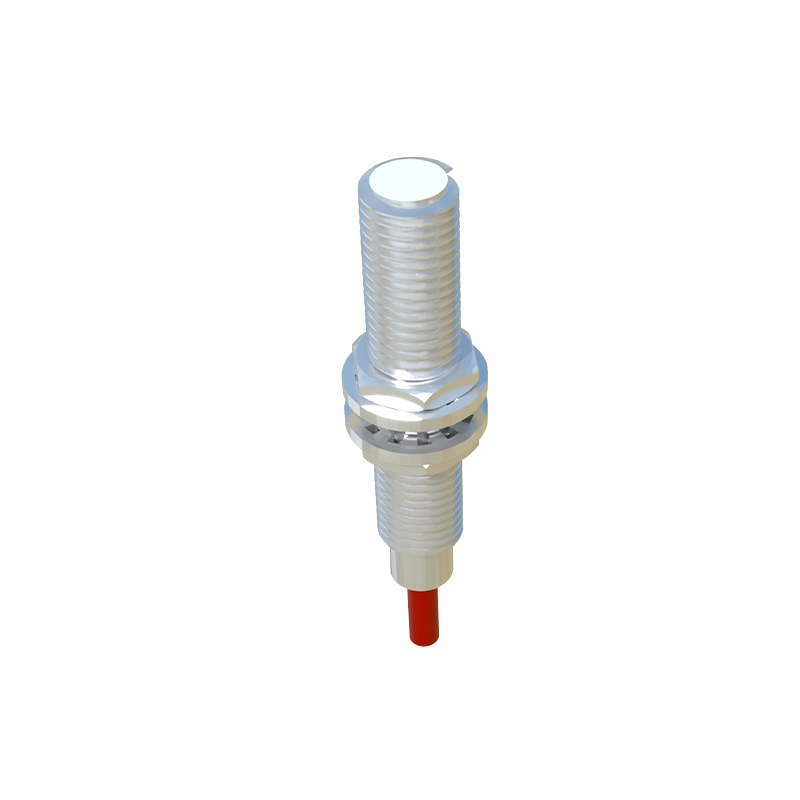
Despite their advantages, selecting the right proximity sensor requires careful consideration of factors like sensing range, material composition, and environmental conditions. Engineers must assess whether inductive, capacitive, ultrasonic, or magnetic sensors best suit the application. Regular calibration and shielding from electromagnetic interference are essential for maintaining accuracy. Future trends point toward smart sensors with IoT connectivity, enabling predictive maintenance and data analytics for further optimization.
In conclusion, proximity sensors are vital tools that drive efficiency, safety, and innovation across industries. From automotive assembly to renewable energy, their applications showcase the transformative impact of automation. By understanding these case studies, professionals can leverage sensor technology to solve complex challenges and improve operational outcomes. As industries evolve, the role of proximity sensors will continue to expand, underpinning the next generation of industrial advancements.