In the rapidly evolving landscape of industrial automation and precision measurement, selecting the right laser sensor is a critical decision that impacts efficiency, accuracy, and overall system reliability. The question "which laser sensor brand is the best?" does not have a one-size-fits-all answer. The optimal choice depends heavily on specific application requirements, environmental conditions, and performance benchmarks. This guide provides an objective analysis of leading manufacturers and key selection criteria to empower engineers and procurement specialists in making an informed decision.
The laser sensor market is dominated by several established players, each with distinct strengths. Keyence, a Japanese multinational, is renowned for its innovation, user-friendly interfaces, and extensive product portfolio. Their sensors often feature advanced algorithms for edge detection, height measurement, and profile analysis, making them a top contender for complex, high-speed applications in electronics and automotive assembly. However, this sophistication typically comes at a premium price point.
Omron, another Japanese powerhouse, offers robust and reliable laser sensors known for exceptional durability in harsh environments. Their focus on stable performance under conditions involving vibration, dust, or temperature fluctuations makes them a preferred choice for heavy industry, packaging, and logistics. Omron sensors are often praised for their balance of performance and cost-effectiveness.
SICK AG from Germany is synonymous with high precision and ruggedness, particularly in safety and logistics applications. Their background in safety light curtains and sophisticated sensor technology translates into laser sensors that are incredibly reliable for positioning, distance measurement, and object detection in demanding settings like material handling and automotive manufacturing.
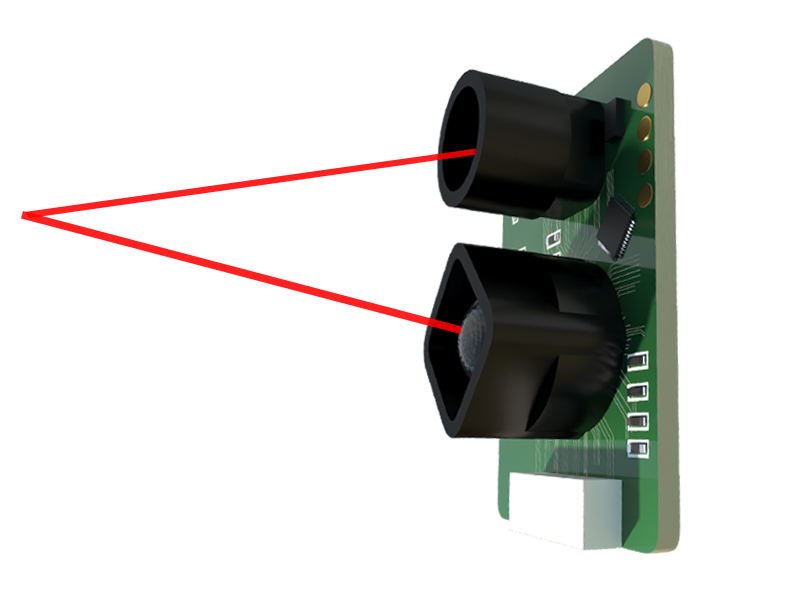
Banner Engineering, based in the United States, is celebrated for providing versatile and cost-effective solutions. They excel in offering a wide range of laser sensors that deliver solid performance for standard applications without unnecessary complexity. For many standard inspection, detection, and measurement tasks, Banner sensors present an excellent value proposition.

Pepperl+Fuchs, also German, specializes in sensors for explosive and hazardous areas (ATEX/IECEx certifications). Their laser sensors are engineered for extreme industrial environments found in chemical, pharmaceutical, and oil & gas industries, where intrinsic safety is non-negotiable.
Beyond brand reputation, technical specifications are paramount. Key parameters include measurement range, accuracy (often in micrometers or finer), repeatability, response time, and laser class (typically Class 2 for safety). The type of measurement principle—triangulation, time-of-flight (ToF), or confocal—must match the task. Triangulation sensors offer high precision for short ranges, ToF sensors are ideal for longer distances, and confocal sensors provide exceptional accuracy for surface profiling.
Environmental factors are equally crucial. Consider the sensor's IP rating for dust and water ingress protection, operating temperature range, and resistance to ambient light interference or target surface characteristics (color, reflectivity, material). A sensor perfect for a clean lab may fail on a dirty factory floor.
Finally, support and integration capabilities cannot be overlooked. Evaluate the availability of technical documentation, software configuration tools, and local technical support. Ease of integration with existing PLCs, networks, and control systems is a significant factor in reducing downtime and implementation costs.
In conclusion, the "best" laser sensor brand is the one that most precisely aligns with your specific technical, environmental, and budgetary constraints. For cutting-edge R&D or ultra-high-speed electronics, Keyence might lead. For rugged factory automation, Omron or SICK could be ideal. For cost-sensitive standard applications, Banner is a strong candidate, and for hazardous areas, Pepperl+Fuchs is essential. A thorough evaluation of specifications against application needs, coupled with practical testing if possible, will yield the most reliable and effective solution for your operational success.