In the dynamic landscape of industrial automation, the reliability of sensing technology is paramount. Proximity sensors, the silent sentinels of production lines, are critical for object detection, positioning, and counting. However, the modern industrial environment is rife with electromagnetic interference (EMI), radio frequency interference (RFI), and electrical noise from motors, drives, and welding equipment. This is where anti-interference proximity sensors become not just an option, but a necessity for ensuring operational continuity, safety, and data integrity. This article serves as a comprehensive guide for engineers and procurement specialists seeking consultation and accurate quotations for these robust sensing solutions.
Understanding the core technology is the first step in any meaningful consultation. Anti-interference proximity sensors are engineered to maintain stable performance in electrically noisy conditions. Key design features include advanced shielding, typically with a robust metal housing that acts as a Faraday cage to block external EMI. Internally, sophisticated filtering circuits are integrated to distinguish the sensor's own signal from ambient noise. Furthermore, the choice of sensing technology—whether inductive, capacitive, or ultrasonic—plays a significant role. For instance, inductive sensors with a high switching frequency and specialized ASICs (Application-Specific Integrated Circuits) often exhibit superior noise immunity for metal detection. When consulting with a supplier, probing into these technical specifications—such as the IEC standard for electromagnetic compatibility (e.g., IEC 60947-5-2), the rated operating distance under interference, and the response time stability—is crucial.
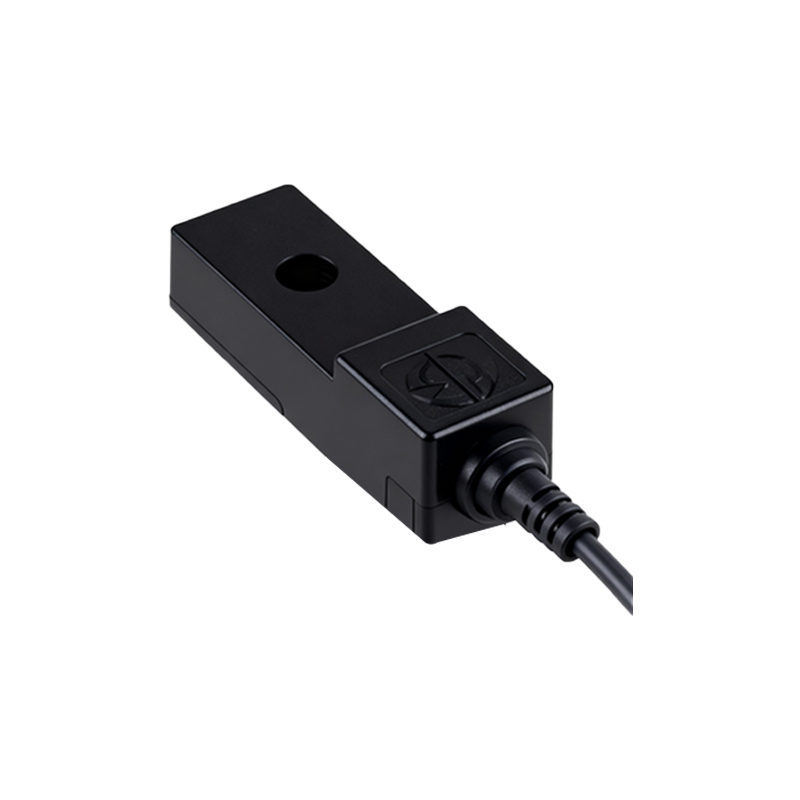
The quotation process for anti-interference sensors extends far beyond a simple unit price. A professional quotation should reflect a detailed understanding of your application's specific challenges. Key factors influencing cost include:
1. Sensor Type and Range: Inductive sensors are common for metals, while capacitive sensors detect various materials. Longer sensing ranges or miniaturized designs command a premium.
2. Performance Grade: Standard industrial sensors differ significantly from high-immunity models designed for extreme environments like steel mills or automotive welding shops. Specifications for surge protection, burst immunity, and electrostatic discharge (ESD) ratings directly impact price.
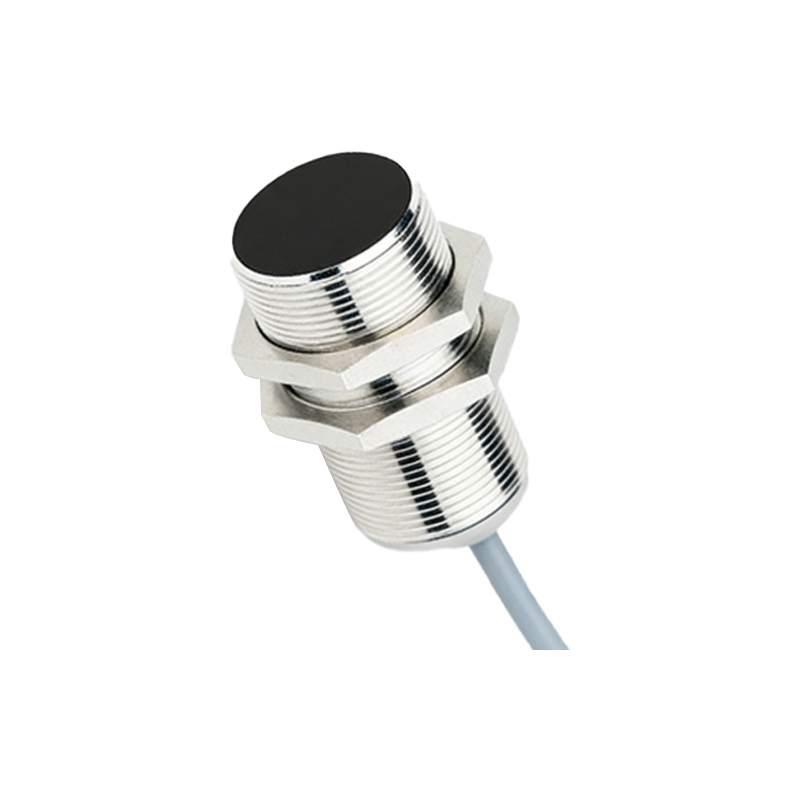
3. Output Configuration: Choices between PNP/NPN, NO/NC, analog outputs (4-20mA, 0-10V), or IO-Link digital communication affect both functionality and cost. IO-Link sensors, while more expensive upfront, offer diagnostic data and parameterization that can reduce downtime.
4. Housing Material and Protection Class: Stainless steel or nickel-plated brass housings with high IP (Ingress Protection) ratings (e.g., IP67, IP69K) for washdown or corrosive environments increase durability and cost.
5. Cable or Connector Style: Integrated cables or quick-disconnect connectors (e.g., M8, M12) have different pricing and installation labor implications.
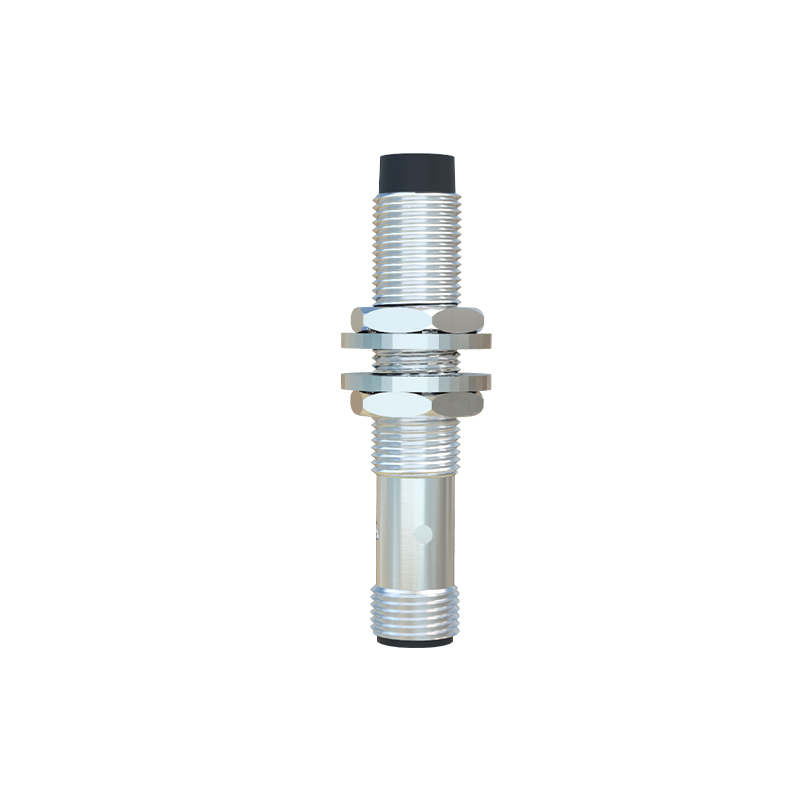
6. Certifications: Requirements for specific industry certifications (ATEX for hazardous areas, UL, CE) involve additional testing and compliance, affecting the final price.
7. Volume and Support: Unit pricing is heavily dependent on order volume. Furthermore, consider the cost of technical support, warranty (typically 1-3 years), and lead time, which are integral parts of the total value proposition.
To obtain an accurate and competitive quotation, prepare a detailed request for quotation (RFQ). This should include:
Application Description: Detail the machine, process, target material, and the specific source of interference (e.g., nearby VFDs, power lines).
Technical Requirements: Specify required sensing distance, switching frequency, supply voltage, output type, housing size, and protection class.
Environmental Conditions: Outline ambient temperature, presence of coolants, oils, or metal dust.
Quantity and Timeline: State the initial order quantity and potential annual usage, along with the required delivery schedule.
Engaging with a knowledgeable supplier for consultation is invaluable. Reputable sensor manufacturers or distributors will have application engineers who can recommend the most cost-effective solution, potentially suggesting a standard high-immunity model over a more expensive specialized unit, or vice-versa, based on your actual needs. They can also provide test samples for validation in your real-world environment before a bulk purchase.
In conclusion, procuring anti-interference proximity sensors is a strategic investment in plant reliability. A focused consultation that marries deep technical requirements with commercial considerations will yield a quotation that truly reflects value—ensuring you pay for performance and durability, not just a component. By clearly defining your application's challenges and partnering with a technical supplier, you secure not only a product but a solution that safeguards your automation processes against the invisible disruptions of the industrial world.