In the realm of industrial automation and control systems, proximity sensors have become indispensable components. Their primary function is to detect the presence or absence of an object within a specific range without any physical contact. But what exactly are the advantages that make them so crucial? This article delves into the core benefits of proximity sensors, explaining their significance in modern engineering.
The most prominent advantage of proximity sensors is their non-contact operation. Unlike mechanical limit switches that require physical touch to actuate, proximity sensors use electromagnetic fields, infrared light, or ultrasonic sound to detect targets. This eliminates mechanical wear and tear, leading to dramatically increased operational lifespan and reliability. There is no physical force exerted on either the sensor or the target object, which is essential for protecting delicate materials or finished products from scratches, dents, or other damage during the detection process. This non-contact nature also allows for extremely high-speed operation, as there is no need to wait for a mechanical lever to return or make contact.
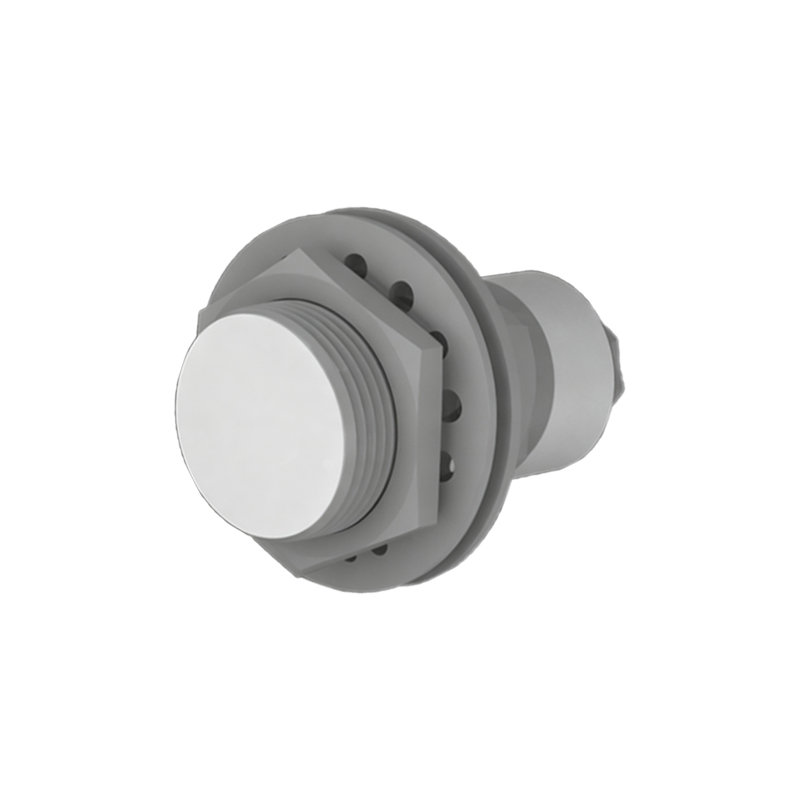
Another significant benefit is their high accuracy and repeatability. Modern inductive, capacitive, and photoelectric proximity sensors offer precise and consistent detection. They can reliably sense objects at a defined distance, known as the sensing range, with minimal variance. This repeatability is critical for precision manufacturing, robotic positioning, and automated assembly lines where a millimeter's difference can impact product quality. Many models provide stable performance even in challenging conditions, resisting influences from target surface color, material composition (for certain types), or ambient light.
Durability and robustness in harsh environments constitute a major advantage. Proximity sensors are typically housed in solid casings made of materials like nickel-plated brass, stainless steel, or PBT plastic. This construction makes them highly resistant to dust, dirt, oil, coolant, and other contaminants prevalent in industrial settings. They are often sealed to high Ingress Protection (IP) ratings, such as IP67 or IP69K, making them suitable for washdown areas in food processing or outdoor applications. Their solid-state design means there are no moving parts to jam, gum up, or break due to vibration or shock, ensuring continuous operation in demanding plants.
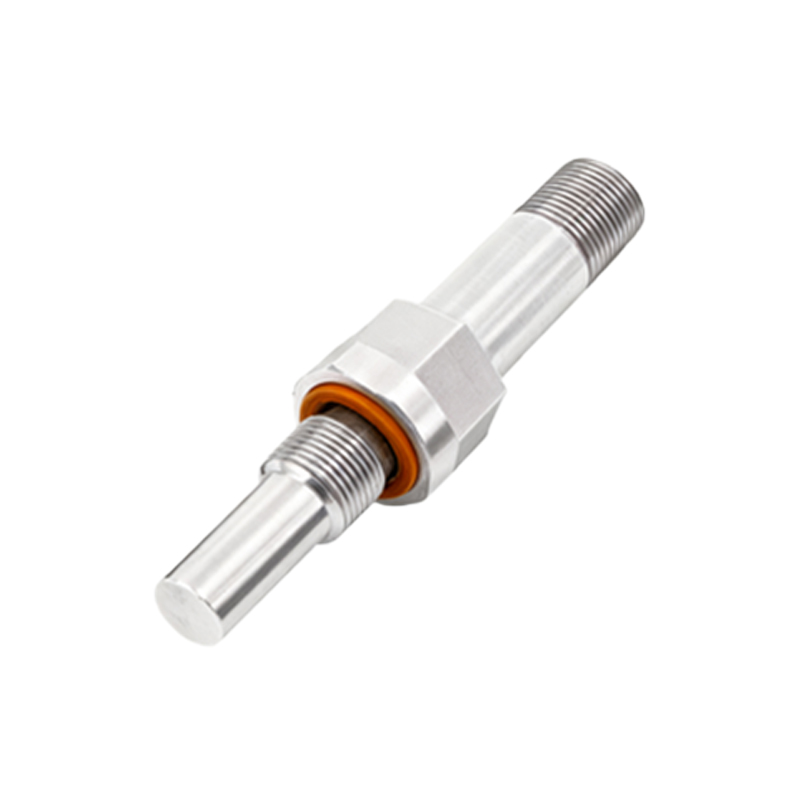
The versatility of application is a key strength. Proximity sensors come in various types to suit different needs. Inductive sensors detect metallic objects, capacitive sensors can detect both metallic and non-metallic materials (like liquids, plastics, or wood), and photoelectric sensors use light beams for long-range detection. Ultrasonic sensors are excellent for distance measurement and level detection. This variety allows engineers to select the perfect sensor for tasks ranging from simple object detection on a conveyor belt to complex tasks like counting, positioning, end-of-travel control, and even monitoring rotational speed.
Furthermore, proximity sensors contribute to enhanced safety and efficiency. By enabling fully automated control sequences, they remove the need for manual inspections or interventions in dangerous areas. Machines can start, stop, or change operations based on sensor feedback, creating safer working environments. Their fast response times and ability to interface directly with Programmable Logic Controllers (PLCs) streamline processes, reduce cycle times, and minimize production errors. This leads to higher overall equipment effectiveness (OEE) and lower operational costs.
Finally, their ease of installation and maintenance adds to the list of advantages. Many sensors feature standardized form factors (like cylindrical barrels) and mounting options. Built-in LED indicators provide clear status signals for operational diagnostics, simplifying setup and troubleshooting. With no mechanical parts to lubricate or replace, maintenance requirements are minimal, often limited to periodic cleaning of the sensing face.
In conclusion, the advantages of proximity sensors—non-contact sensing, high reliability, environmental robustness, application versatility, safety contribution, and low maintenance—collectively answer the question of their importance. They are fundamental enablers of automation, providing the "eyes" for machinery to operate intelligently, efficiently, and reliably. For any engineer designing or maintaining automated systems, understanding these benefits is key to selecting and implementing the right sensor for optimal performance.