Infrared proximity sensors have become indispensable components in modern industrial automation, offering a unique blend of precision, reliability, and versatility. These sensors operate on a fundamental principle: they emit an infrared light beam and detect its reflection from a nearby object. The time taken for the light to return or the intensity of the reflected signal is then analyzed to determine the object's presence and distance. Unlike mechanical limit switches or ultrasonic sensors, infrared variants provide contactless detection, which is crucial for applications involving delicate materials or high-speed processes where physical contact could cause damage or inefficiency.
One of the most significant features of infrared proximity sensors is their exceptional response speed. Capable of detecting objects in microseconds, they are perfectly suited for high-speed production lines, such as in packaging, bottling, and semiconductor manufacturing. This rapid response ensures precise timing for sorting, counting, and quality control operations, minimizing downtime and maximizing throughput. Furthermore, their performance is largely unaffected by ambient noise—a common challenge for ultrasonic sensors—making them stable in environments with significant acoustic interference.
Another critical characteristic is their compact size and design flexibility. Modern infrared sensors are available in miniature housings, allowing for installation in space-constrained machinery. They can be configured for different sensing modes, including diffuse (reflective), retro-reflective, and through-beam (opposed) setups. The diffuse mode, where the sensor contains both the emitter and receiver, is common for general object detection. The through-beam mode, with separate emitter and receiver units, offers the longest sensing ranges and highest accuracy for critical applications like web break detection or precise positioning.
Environmental robustness is a cornerstone of industrial-grade infrared sensors. They are typically housed in rugged casings rated with high Ingress Protection (IP) codes, such as IP67 or IP69K, ensuring resistance to dust, water jets, and even temporary immersion. This makes them ideal for harsh conditions found in food processing, automotive assembly, or outdoor logistics. Moreover, many models feature advanced optics with embedded lenses or filters that minimize the impact of ambient light interference, including sunlight or bright factory lighting, thereby maintaining consistent detection reliability.
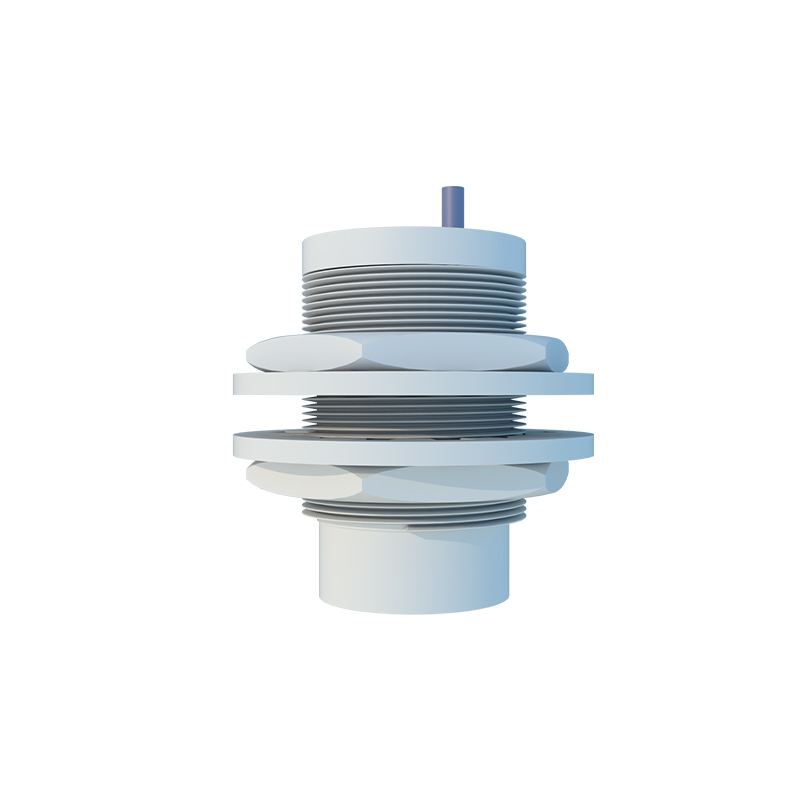
The sensing range and resolution of these sensors are highly configurable. Standard models offer ranges from a few centimeters to several meters. Advanced versions incorporate background suppression technology or adjustable sensing fields, allowing them to ignore objects beyond a set distance or to detect only specific materials. This selectivity is vital in complex automated systems where multiple objects are present within the sensor's field of view. For instance, a sensor can be tuned to detect only metallic components on a conveyor belt while ignoring the belt itself.
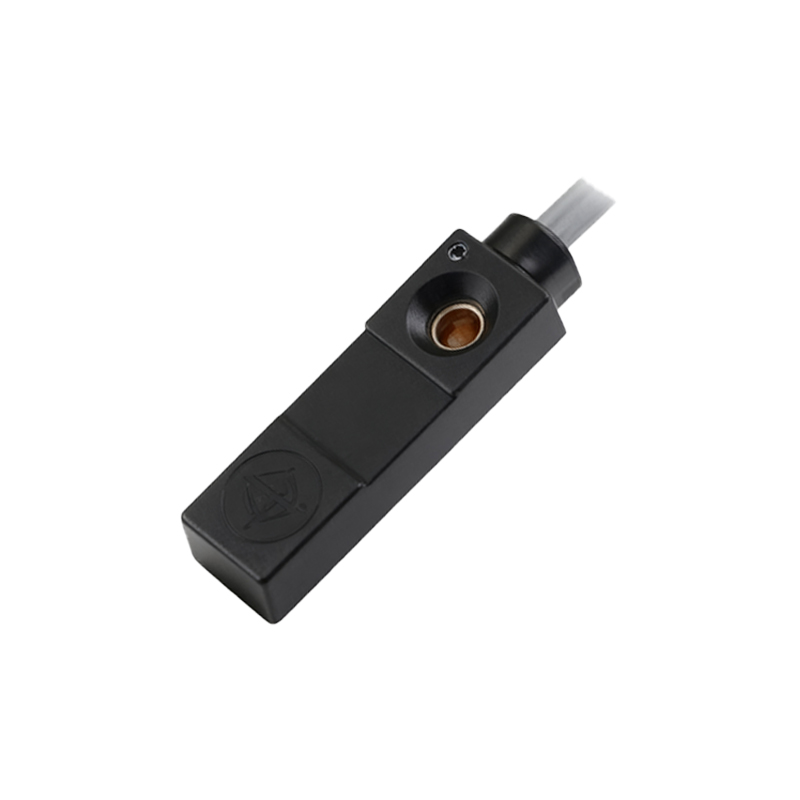
Integration into modern industrial networks is seamless. Most contemporary infrared proximity sensors support various output types, including NPN/PNP transistors, analog current (4-20 mA), analog voltage (0-10V), and IO-Link digital communication. IO-Link, in particular, enables smart sensor capabilities, allowing for remote configuration, real-time diagnostics, and predictive maintenance data exchange directly with the PLC or control system. This digital integration reduces wiring complexity and provides valuable insights into process health.
Energy efficiency is another notable advantage. Infrared sensors, especially those using pulsed LED technology, consume minimal power while delivering high-intensity light bursts. This low power draw contributes to reduced operational costs and heat generation, enhancing the overall energy profile of automated systems. Additionally, the solid-state design with no moving parts translates to exceptionally long service life and minimal maintenance requirements, a key factor for reducing total cost of ownership.
In application, infrared proximity sensors are ubiquitous. They are used for object detection on assembly lines, edge guiding in printing and textile machinery, level sensing in silos, and people detection for safety light curtains. In robotics, they provide crucial feedback for obstacle avoidance and precise arm positioning. The automotive industry relies on them for part verification and robot cell safety. Their non-contact nature also makes them perfect for sterile environments in pharmaceutical or electronics manufacturing, where contamination must be avoided.
In conclusion, the defining features of infrared proximity sensors—high speed, environmental durability, compact design, configurable sensing, and smart connectivity—make them a foundational technology for industrial automation. Their ability to provide reliable, contactless detection across diverse and demanding applications continues to drive efficiency, safety, and innovation in the manufacturing world. As Industry 4.0 evolves, these sensors will undoubtedly integrate deeper with AI and data analytics systems, further expanding their role in the smart factories of the future.