In the dynamic landscape of industrial automation, mechanical proximity sensors remain a cornerstone technology for countless applications. Their fundamental role in detecting the presence or absence of an object through physical contact makes them indispensable for safety, positioning, and control systems. For procurement specialists, engineers, and plant managers, navigating the market for mechanical proximity sensor sales requires a clear understanding of product types, key specifications, and industry trends to ensure optimal performance and return on investment.
Unlike their non-contact counterparts (inductive, capacitive, or photoelectric sensors), mechanical proximity sensors operate on a straightforward principle: a physical actuator, such as a plunger, lever, or roller, is displaced by the target object. This movement triggers an internal electrical switch—often a robust snap-action or precision micro-switch—to change state, opening or closing a circuit. This direct actuation method is both their defining characteristic and primary advantage in environments where reliability under tough conditions is paramount. They are exceptionally resistant to environmental factors like dust, oil, coolant mist, and electromagnetic interference, which can plague electronic sensors.
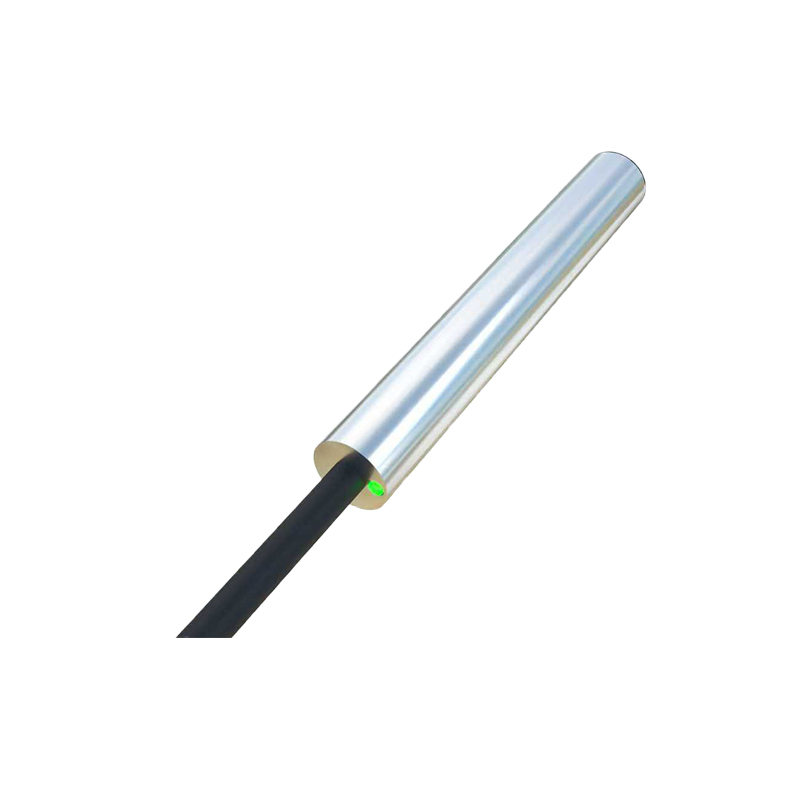
The sales market for these devices is broadly segmented by switch type and actuator style. Basic plunger-type sensors are common for precise linear actuation, while lever arms and roller levers extend reach and are ideal for detecting moving parts like cams or conveyor items. Rotary cam sensors are specialized for position detection on rotating shafts. From a sales perspective, understanding the application is critical. A packaging line might require a roller lever sensor for carton counting, while a heavy-duty stamping press would need a rugged, high-force plunger sensor for safety door monitoring.
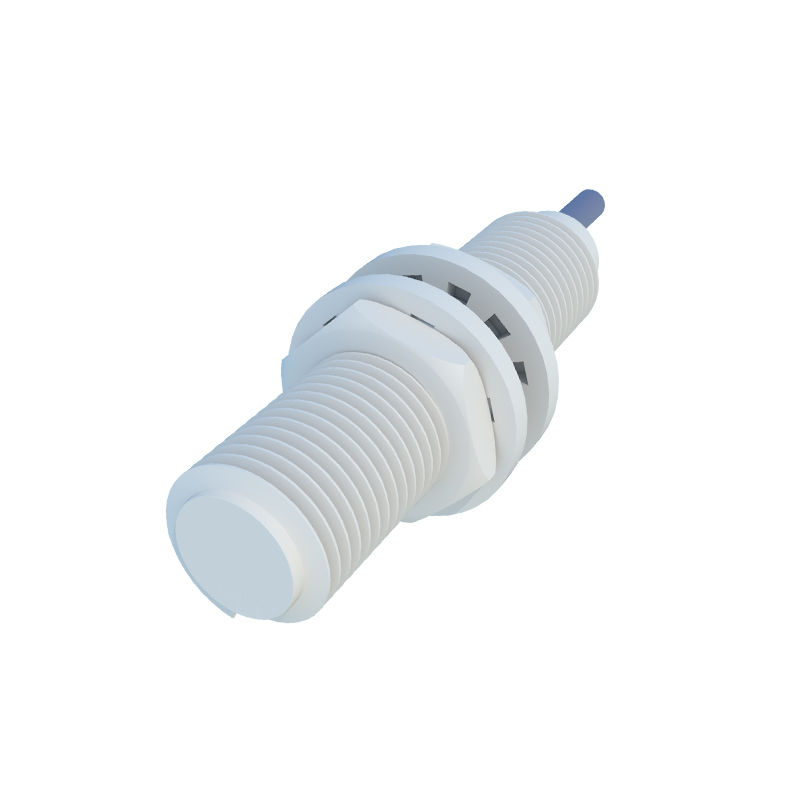
Key specifications dominate purchasing decisions. Operating force, pre-travel, over-travel, and repeat accuracy are crucial mechanical parameters. Electrically, the switch rating—whether for low-level logic signals or high-power loads like motors or solenoids—is vital. Common output configurations include Normally Open (NO), Normally Closed (NC), or changeover contacts. The housing material, typically metal like stainless steel or brass, or engineering plastics such as PBT, determines environmental resilience. Ingress Protection (IP) ratings, like IP67, are non-negotiable for washdown or outdoor applications.
Current trends in mechanical proximity sensor sales reflect broader industrial shifts. There is growing demand for sensors with integrated diagnostics or IO-Link capability, adding a layer of smart data communication to traditional devices for predictive maintenance. Miniaturization is another trend, allowing installation in increasingly compact machinery. Furthermore, suppliers are emphasizing global availability, shorter lead times, and comprehensive technical support as part of the sales package, recognizing that downtime cost far exceeds component price.
For buyers, selecting a supplier goes beyond catalog pricing. Evaluate the manufacturer's reputation for quality and durability. Consider the breadth of the product range to standardize parts across your facility. Assess technical support and the availability of detailed datasheets, CAD models, and configuration tools. A reliable distributor network is essential for local stock and swift replacement. Ultimately, the goal is to build a partnership with a supplier whose products ensure machine longevity, operator safety, and uninterrupted production.
The future of mechanical proximity sensor sales is not about replacement by electronic sensors, but about coexistence and specialization. Their inherent simplicity, robustness, and cost-effectiveness for many tasks guarantee their continued relevance. As industries from automotive to food and beverage to material handling push for greater efficiency, the demand for high-performance, reliable mechanical sensing solutions will persist, driven by sales channels that understand and cater to these fundamental industrial needs.