Proximity sensors are indispensable components in modern industrial automation, offering non-contact detection of objects within a defined range. These devices enhance operational efficiency, safety, and precision across various sectors. The primary functions of top-tier proximity sensors can be categorized into several key areas.
First, object detection and positioning stand as fundamental functions. High-performance proximity sensors accurately identify the presence, absence, or position of metallic or non-metallic objects without physical contact. This capability is crucial in assembly lines, where sensors ensure components are correctly aligned before robotic arms engage. For instance, in automotive manufacturing, inductive proximity sensors detect metal parts like engine blocks, triggering subsequent processes such as welding or painting. Similarly, capacitive sensors handle non-metallic materials like glass, plastic, or liquids, enabling precise control in packaging or pharmaceutical industries.
Second, speed and motion monitoring is another critical application. Proximity sensors measure rotational speed, linear motion, or vibration by detecting changes in object position over time. In conveyor systems, they track the movement of items, preventing jams and optimizing throughput. For rotating machinery like motors or turbines, sensors monitor shaft speed, providing data for predictive maintenance to avoid unexpected downtime. Advanced models with high switching frequencies can detect rapid movements, supporting high-speed sorting or inspection tasks in electronics manufacturing.
Third, safety and collision prevention are enhanced through proximity sensors. By creating protective zones around hazardous machinery, they detect human or object intrusion and trigger emergency stops. In collaborative robotics, sensors enable safe human-robot interaction by halting robot motion when a worker approaches too closely. This function reduces workplace accidents and complies with international safety standards like ISO 13849. Additionally, in automated guided vehicles (AGVs), sensors prevent collisions with obstacles, ensuring smooth navigation in warehouses.
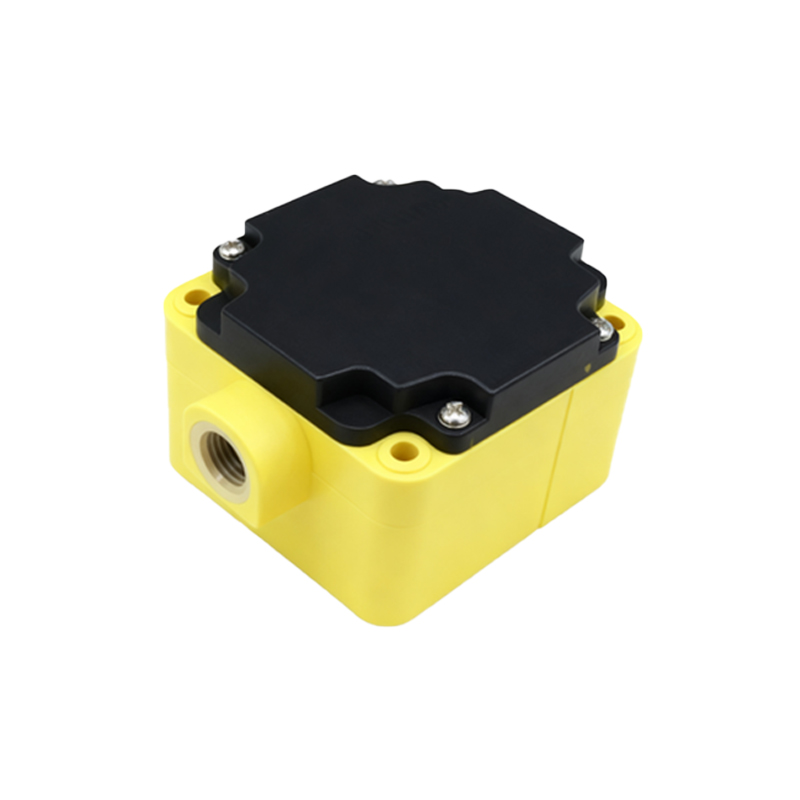
Fourth, level and fill control benefit significantly from proximity technology. Sensors monitor material levels in tanks, silos, or hoppers, automating refill or discharge processes. Ultrasonic or capacitive proximity sensors, for example, measure liquid or granular substance levels without direct contact, preventing overflows or shortages. In food processing, this ensures consistent ingredient supply, while in chemical plants, it maintains safe storage conditions.
Fifth, quality assurance and inspection rely on precise sensing. Proximity sensors verify part dimensions, detect defects, or confirm proper assembly. In metalworking, they identify surface imperfections, while in electronics, they check component placement on circuit boards. By integrating with vision systems, sensors provide real-time feedback, reducing waste and improving product reliability.
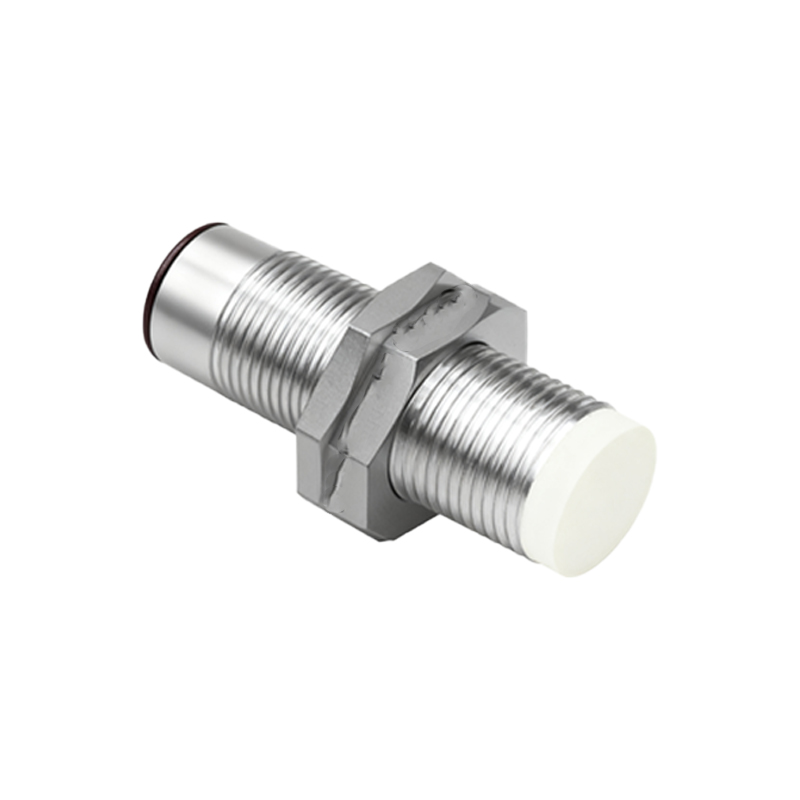
Moreover, modern proximity sensors offer smart features like IO-Link connectivity, enabling data exchange with control systems for Industry 4.0 applications. They self-diagnose issues, such as contamination or wear, alerting operators to potential failures. Their rugged designs withstand harsh environments—resisting dust, moisture, or extreme temperatures—ensuring longevity in mining, agriculture, or marine settings.
In summary, top proximity sensors deliver multifaceted functions: from basic detection to complex monitoring, safety enforcement, and quality control. Their adaptability and reliability make them vital for optimizing industrial processes, reducing costs, and enhancing safety. As technology evolves, sensors with enhanced sensitivity and connectivity will further revolutionize automation, driving efficiency in smart factories and beyond.