In the realm of industrial automation, proximity sensors play a critical role in ensuring precise, reliable, and efficient operations. Among these, the PSD1205-NP proximity switch sensor stands out as a robust and versatile component widely utilized across various applications. This article delves into the technical specifications, operational principles, and practical implementations of the PSD1205-NP, offering insights for engineers and technicians seeking to optimize their systems.
The PSD1205-NP is an inductive proximity sensor designed to detect metallic objects without physical contact. Operating on the principle of electromagnetic induction, it generates an oscillating electromagnetic field from its sensing face. When a metallic target enters this field, eddy currents are induced, causing a change in the oscillation amplitude. This alteration is detected by the sensor's internal circuitry, which then triggers a switching action—typically opening or closing a circuit to signal the presence of the object. This non-contact detection method minimizes wear and tear, enhancing durability and reducing maintenance needs in harsh industrial environments.
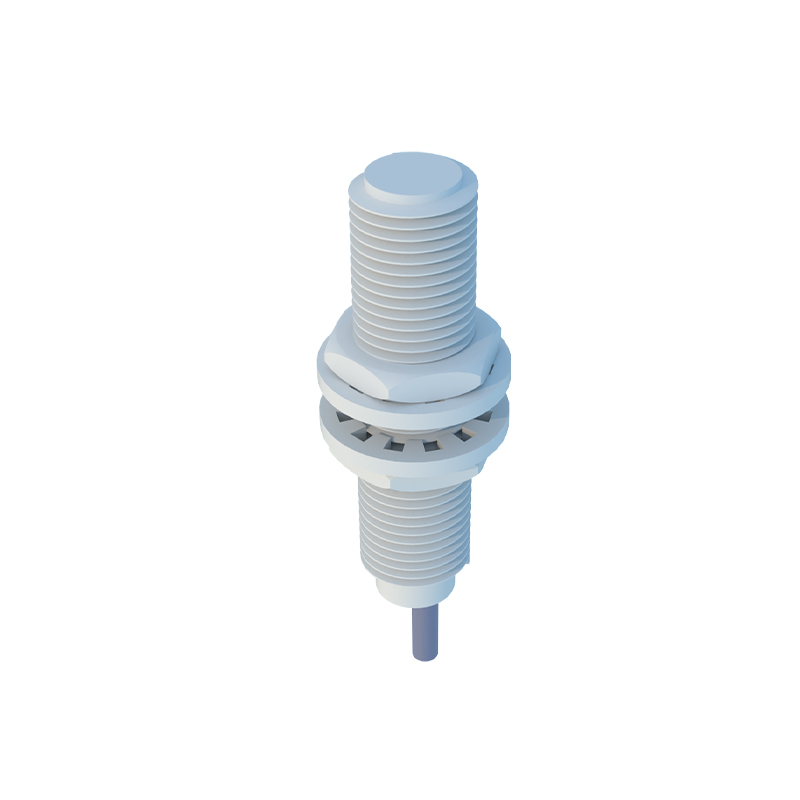
Key specifications of the PSD1205-NP include a sensing range of up to 5 mm, though this can vary based on the target material and size. It is commonly rated for DC voltage operation, such as 10-30 VDC, with outputs available in PNP (sourcing) or NPN (sinking) configurations to match different control systems. The sensor features a compact, cylindrical housing, often made of nickel-plated brass or stainless steel, providing resistance to mechanical stress, oils, and coolants. Its IP67 or higher ingress protection rating ensures reliable performance in dusty or wet conditions, making it suitable for applications in manufacturing, packaging, material handling, and automotive assembly lines.
Installation and wiring of the PSD1205-NP are straightforward, but attention to detail is crucial for optimal functionality. Engineers should ensure proper alignment with the target, avoiding interference from surrounding metals or electromagnetic sources. The sensor's output can be connected to programmable logic controllers (PLCs), relays, or other control devices to automate processes like counting, positioning, or safety interlocks. For instance, in conveyor systems, the PSD1205-NP can detect passing metal parts to trigger sorting mechanisms or halt operations if an anomaly is detected. Its fast response time and high switching frequency enable real-time monitoring, contributing to increased productivity and reduced downtime.
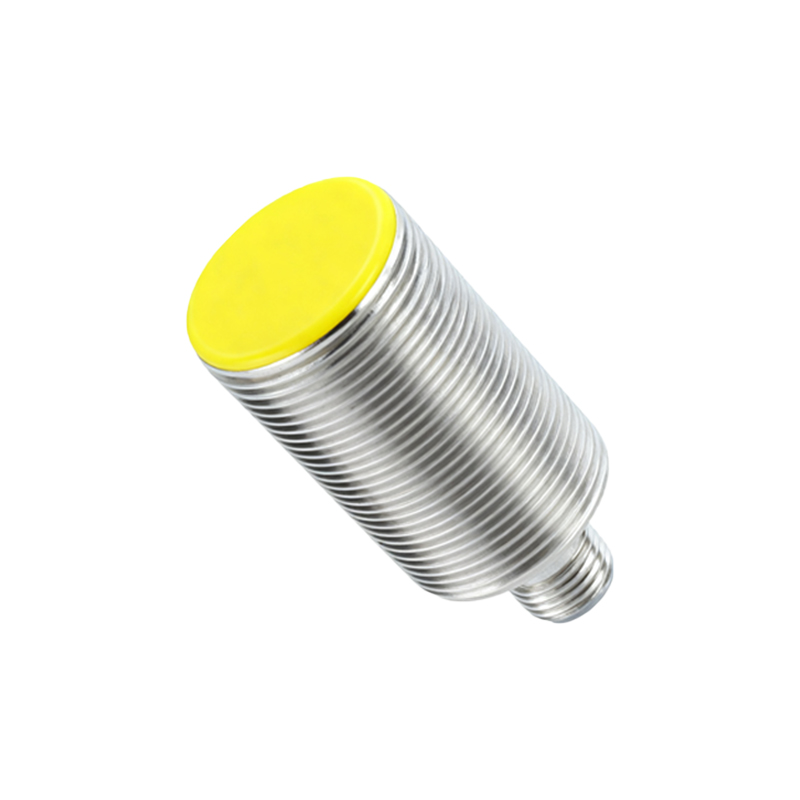
When selecting the PSD1205-NP for a specific application, factors such as target material, environmental conditions, and electrical requirements must be considered. While it excels with ferrous metals like steel and iron, its sensitivity may decrease for non-ferrous metals, necessitating calibration or model variations. Regular maintenance, though minimal, involves checking for physical damage, cleaning the sensing face, and verifying electrical connections. Troubleshooting common issues—like false triggers or no output—often involves inspecting power supply stability, target proximity, or potential electromagnetic interference.
In summary, the PSD1205-NP proximity switch sensor is a dependable solution for industrial automation, offering precision, durability, and ease of integration. Its design aligns with industry standards for safety and efficiency, supporting advancements in smart manufacturing and Industry 4.0 initiatives. By understanding its capabilities and best practices, professionals can leverage this sensor to enhance system reliability and operational performance.