Magnetic sensors, commonly referred to as proximity switches, are indispensable components in modern industrial automation and control systems. These devices operate on the principle of detecting the presence or absence of a magnetic field, typically generated by a permanent magnet or an electromagnet. Unlike mechanical switches, they function without physical contact, offering superior reliability, longevity, and resistance to harsh environmental conditions such as dust, moisture, and vibration.
The core technology behind magnetic proximity switches often involves reed switches or Hall-effect sensors. Reed switches consist of two ferromagnetic blades sealed within a glass tube filled with an inert gas. When an external magnetic field of sufficient strength is applied, the blades attract each other, making contact and closing the electrical circuit. Upon removal of the magnetic field, the blades spring back to their original position, breaking the contact. This simple yet effective mechanism makes reed-based sensors highly reliable for countless switching applications.
Hall-effect sensors, on the other hand, utilize a semiconductor element. When a magnetic field is applied perpendicular to the current flow in the semiconductor, it generates a voltage difference known as the Hall voltage. This voltage is proportional to the strength of the magnetic field. Integrated circuits within the sensor then process this signal to provide a clean, digital output switch signal. Hall-effect sensors are known for their high switching frequency, precise position detection, and ability to operate with static (non-moving) magnetic fields.
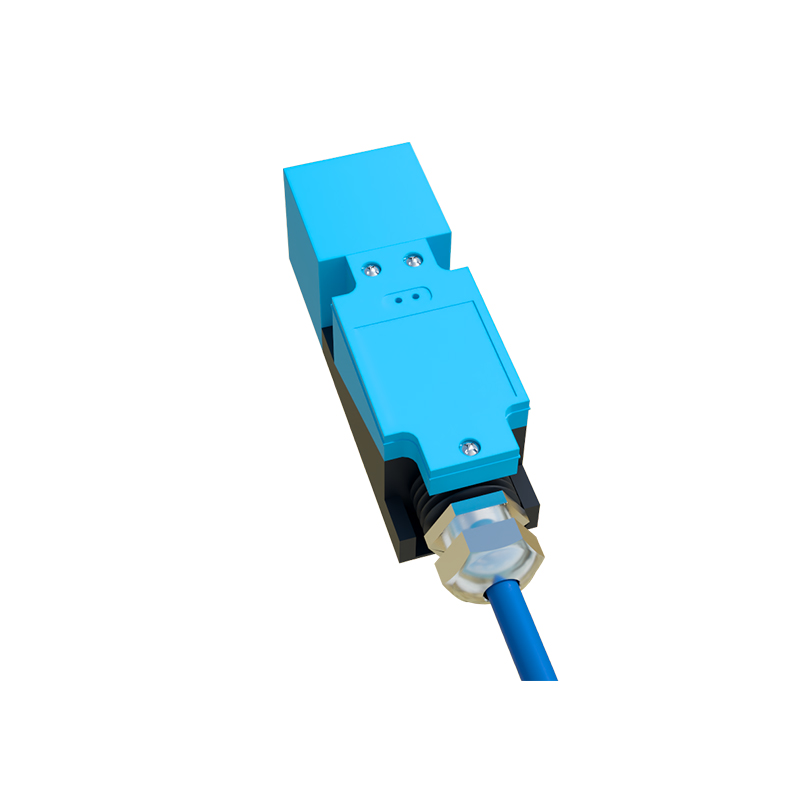
The applications of magnetic proximity switches are vast and critical across numerous industries. In automotive systems, they are used for gear position sensing, seat belt detection, and brake pedal position monitoring. In factory automation, they serve as limit switches on linear actuators, rotary encoders on motors, and part presence detectors on conveyor lines. The packaging, material handling, and machine tool industries rely heavily on them for precise position feedback and sequence control. Their non-contact nature eliminates wear and tear, making them ideal for high-cycle operations where mechanical switches would fail prematurely.
Selecting the appropriate magnetic sensor requires careful consideration of several technical parameters. The sensing distance, or switch point, is crucial and must be specified for the target magnet's strength and orientation. Environmental factors like operating temperature range, ingress protection (IP) rating against dust and water, and resistance to chemicals or oils are paramount. Electrical characteristics, including supply voltage, output type (e.g., NPN, PNP, NO, NC), and current rating, must match the control system's requirements. For applications involving strong external magnetic fields or ferrous metal debris, sensors with magnetic hysteresis or shielding are necessary to prevent false triggering.
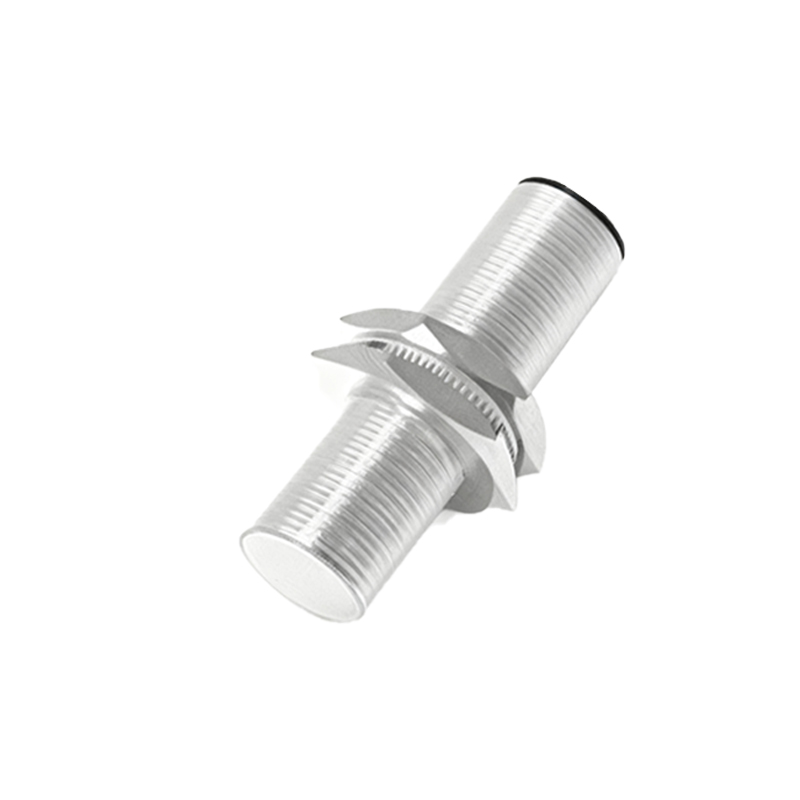
Installation and alignment are also critical for optimal performance. The sensor and the target magnet must be positioned within the specified sensing range and alignment angle. Misalignment can significantly reduce the effective sensing distance. For rotary sensing applications, the air gap between the sensor and a magnetic pole wheel must be precisely maintained. Proper mounting, using non-ferrous materials for brackets, and ensuring a stable power supply with protection against voltage spikes and electromagnetic interference (EMI) are standard best practices for system integration.
Looking forward, the evolution of magnetic sensor technology continues. Modern trends include the integration of advanced diagnostics (e.g., condition monitoring, short-circuit detection) directly into the sensor electronics, enabling predictive maintenance. The development of more robust and miniaturized packages allows for installation in increasingly compact machinery. Furthermore, the rise of Industrial IoT (IIoT) is driving the demand for intelligent sensors with digital communication interfaces like IO-Link, which can transmit not just a switch status but also parametric data such as temperature, signal strength, and device health back to the controller.
In conclusion, magnetic proximity switches are fundamental, robust, and versatile sensing solutions. Their non-contact operation principle ensures high reliability and long service life in demanding industrial environments. From simple reed switches to sophisticated Hall-effect sensors with digital interfaces, they provide the essential feedback needed for automation, safety, and precision control. Engineers must carefully evaluate application requirements against sensor specifications to ensure optimal system performance, safety, and longevity. As automation advances, these sensors will continue to be critical enablers of smarter and more efficient industrial processes.
SEO Keywords:magnetic proximity switch, Hall-effect sensor, reed switch, industrial automation, non-contact sensing
SEO Description:Magnetic sensors or proximity switches are vital for non-contact detection in automation. This article explains their working principles, types like reed and Hall-effect sensors, key applications, selection criteria, and future trends in industrial control systems.