Laser water level sensors have gained popularity in various industrial sectors due to their non-contact measurement capabilities, high accuracy, and fast response times. However, despite these advantages, they come with significant drawbacks that engineers and operators must consider before implementation. One primary limitation is their sensitivity to environmental conditions. Factors such as dust, steam, fog, or heavy rain can scatter or absorb the laser beam, leading to inaccurate readings or complete signal loss. In industries like wastewater treatment or mining, where airborne particulates are common, this can render laser sensors unreliable without frequent maintenance or protective enclosures.
Another critical issue is the high cost associated with laser water level sensors. Compared to traditional float switches or ultrasonic sensors, laser-based systems involve expensive components, including precise optics and detectors, driving up initial investment and replacement costs. This can be prohibitive for small to medium-sized enterprises or applications requiring multiple sensor points. Additionally, laser sensors often demand specialized installation and calibration. Proper alignment is crucial for accurate measurement, and any vibration or structural shift in the mounting surface can misalign the beam, necessitating recalibration by skilled technicians. This increases downtime and operational expenses.

Safety concerns also pose a drawback. Although most industrial laser sensors use Class 2 or Class 3R lasers, which are considered low-risk, prolonged exposure or improper handling can still cause eye damage. In settings with high personnel traffic, additional safety measures like barriers or warning signs are required, adding complexity to deployment. Moreover, laser sensors may struggle with certain liquid properties. For instance, transparent or highly reflective water surfaces can cause beam penetration or deflection, resulting in measurement errors. In contrast, dark or absorbent liquids might not reflect sufficient light, limiting sensor effectiveness.
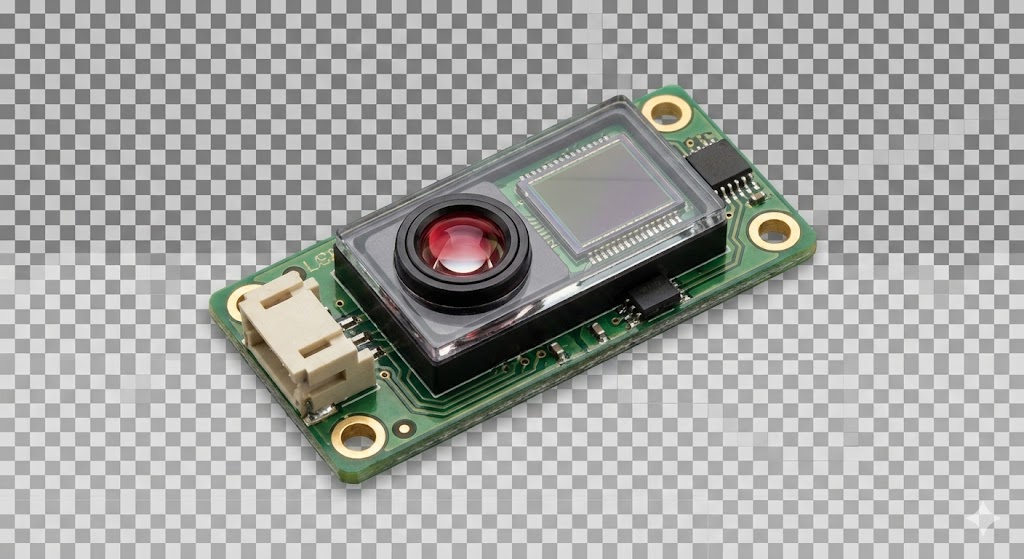
Power consumption is another factor to note. Laser sensors typically require more energy than simpler alternatives, which can be a constraint in remote or battery-operated installations. While advancements in efficiency have been made, this remains a consideration for sustainable operations. Lastly, compatibility with existing systems can be challenging. Integrating laser sensors often requires additional interfaces or software updates, potentially leading to compatibility issues with older control units or data loggers.
In summary, while laser water level sensors offer precision and speed, their drawbacks—including environmental vulnerability, high costs, installation complexity, safety risks, and power demands—make them unsuitable for all industrial scenarios. Engineers should conduct thorough site assessments to weigh these factors against alternative technologies like radar or pressure sensors, ensuring optimal performance and cost-efficiency in water level monitoring applications.
