In modern industrial automation, proximity sensors play a critical role in enhancing efficiency, safety, and precision. These devices detect the presence or absence of objects without physical contact, making them indispensable in various applications. A high-quality proximity sensor is characterized by several key features that ensure reliable performance in demanding environments.
First, durability is paramount. Industrial settings often expose sensors to harsh conditions, including extreme temperatures, moisture, dust, and vibrations. A good proximity sensor is built with robust materials, such as stainless steel or nickel-plated brass housings, and offers high ingress protection (IP) ratings. This ensures longevity and consistent operation even in challenging scenarios like manufacturing floors or outdoor installations.
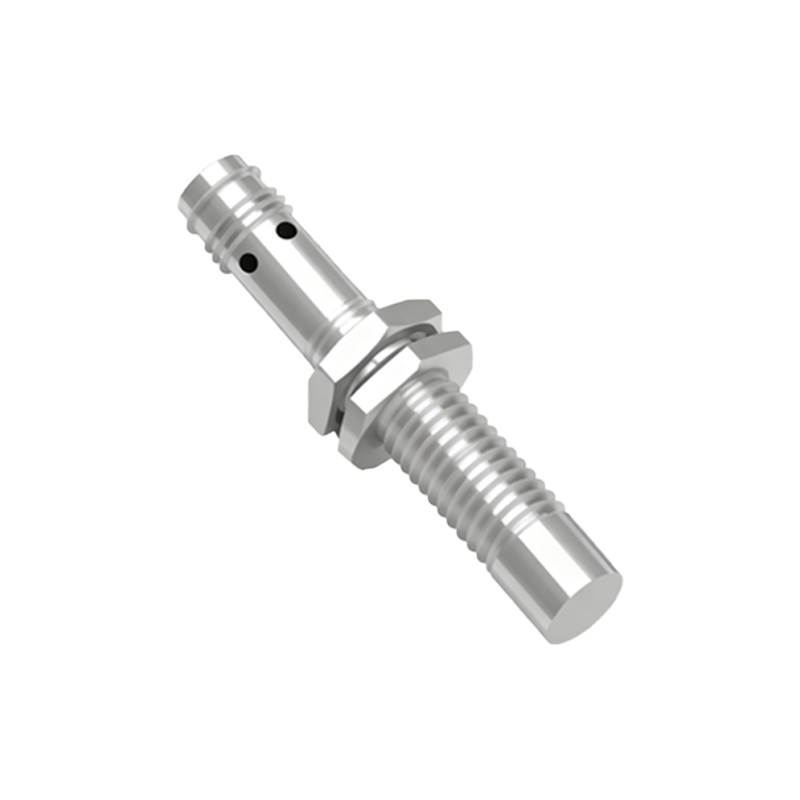
Second, sensing range and accuracy are crucial. Depending on the application, sensors may need to detect objects from a few millimeters to several centimeters away. Inductive proximity sensors, for example, are ideal for metal detection, while capacitive sensors can handle non-metallic materials like plastics or liquids. A reliable sensor provides a stable sensing range with minimal drift over time, reducing false triggers and maintenance needs.
Third, response time and switching frequency determine how quickly a sensor can react to changes. In high-speed automation lines, such as packaging or assembly systems, sensors must operate at frequencies up to several kilohertz to keep pace with rapid movements. A good sensor offers fast response times, typically in microseconds, ensuring seamless integration into dynamic processes.
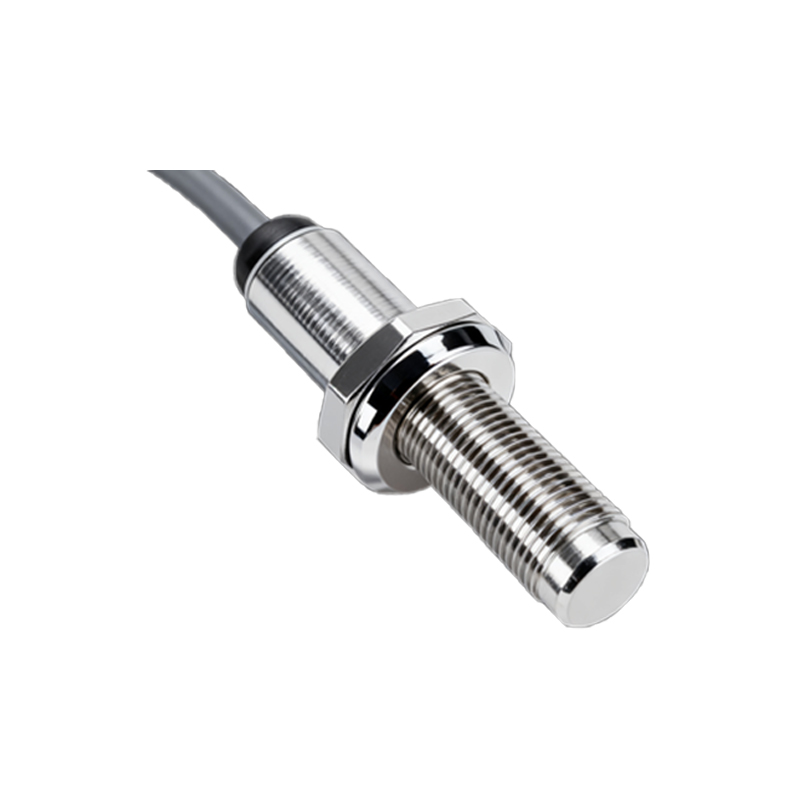
Fourth, electrical compatibility and output options are essential for system integration. Proximity sensors come in various output types, including NPN, PNP, analog, and IO-Link configurations. Choosing the right output depends on the control system, such as PLCs or microcontrollers. Additionally, features like short-circuit protection, reverse polarity protection, and overload resistance enhance safety and prevent downtime.
Fifth, environmental adaptability extends beyond physical durability. Sensors should resist interference from electromagnetic noise, welding sparks, or chemical exposure. Shielding techniques and specialized coatings can mitigate these issues, making sensors suitable for welding robots, food processing, or pharmaceutical industries.
Applications of proximity sensors span across sectors. In automotive manufacturing, they position components on assembly lines or monitor robotic arms. In logistics, sensors track items on conveyors or manage inventory in automated warehouses. Agriculture uses them for equipment positioning, while consumer electronics rely on sensors for touchless interfaces or device automation.
When selecting a proximity sensor, consider factors like target material, installation space, and environmental conditions. Regular calibration and maintenance, though minimal for solid-state designs, help sustain accuracy. Innovations like smart sensors with diagnostic capabilities are emerging, offering predictive maintenance and data analytics for Industry 4.0 initiatives.
In summary, a good proximity sensor combines ruggedness, precision, speed, and versatility. By understanding these features, engineers can optimize automation systems, reduce operational costs, and improve safety. As technology advances, sensors will continue to evolve, driving smarter and more connected industrial ecosystems.