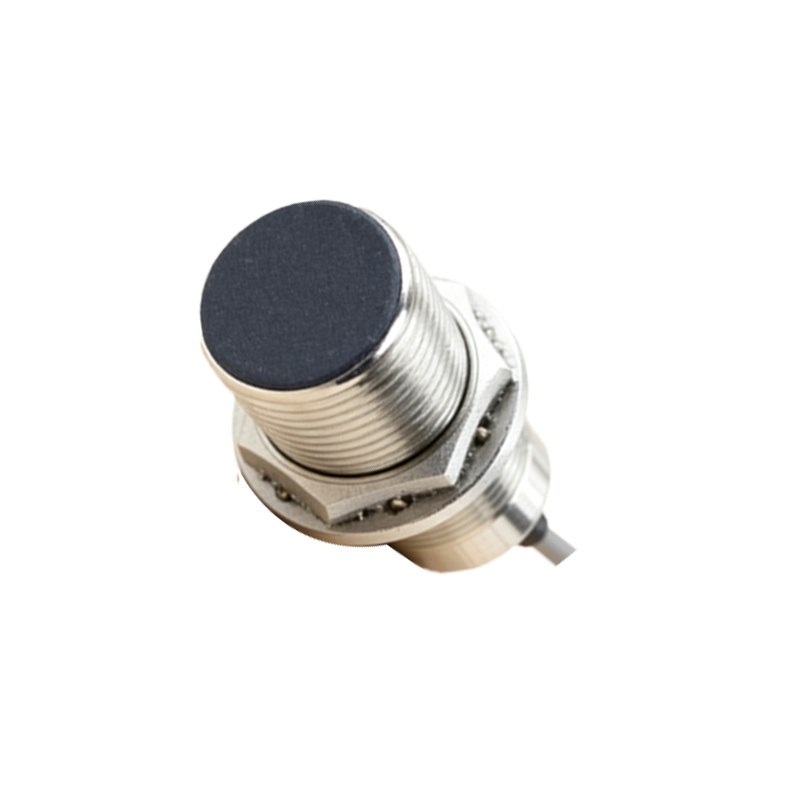
Magnetic proximity sensors have become a pivotal technology in modern industrial automation, particularly in the realm of safety and human-machine interaction. These sensors operate on the principle of detecting changes in a magnetic field, typically generated by a permanent magnet. When a ferromagnetic object, or in some advanced configurations, a magnet attached to a person, enters the sensing range, it disrupts the field, triggering the sensor's output switch. This fundamental mechanism offers a robust, non-contact method for presence detection, making it highly suitable for environments where reliability is paramount.
The application of magnetic sensors for human detection is a nuanced field. Unlike detecting large machinery, humans are not inherently ferromagnetic. Therefore, direct detection of a person's body is not feasible with standard inductive or magnetic sensors. The practical implementation involves a "tag-and-sensor" system. Authorized personnel wear a small, passive identification tag containing a permanent magnet or a magnetically coded element. Strategically placed sensors at access points, hazardous zone perimeters, or near moving machinery can then detect the presence of this tag. This creates a seamless layer of safety, enabling functions like speed reduction of robots when a tagged worker is nearby, automatic door operation, or access logging.
The advantages of using magnetic proximity sensors for this purpose are significant. They are renowned for their exceptional durability and longevity. With no mechanical moving parts and sealed housings, they resist contamination from dust, oil, and coolant—common in industrial settings. Their operation is unaffected by most environmental factors like light, sound, or non-metallic obstructions, providing consistent performance. Furthermore, the switching hysteresis inherent in their design prevents chatter from minor vibrations, ensuring stable signal output. The use of passive tags also means no batteries are required for the wearable component, reducing maintenance.
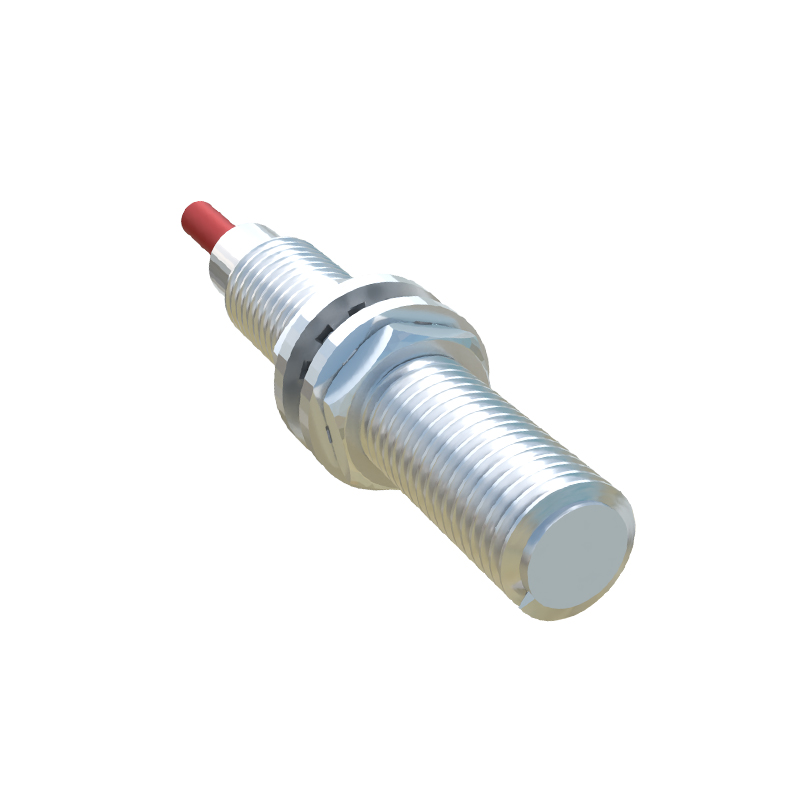
When designing a system for human detection, several key parameters must be considered. The sensing range, or switching distance, is typically shorter than for large metal objects, often in the range of a few millimeters to several centimeters, depending on the magnet strength in the tag. This short range is actually a benefit for safety applications, as it allows for precise zone definition. The sensor must be selected for its operating frequency and response time to ensure instantaneous detection. Material compatibility is also crucial; sensors must be mounted on non-ferrous metal or other materials that do not interfere with the magnetic field.
Integration into broader safety systems is where this technology truly shines. Magnetic sensor outputs are easily interfaced with Programmable Logic Controllers (PLCs), safety relays, or dedicated safety controllers. They form a critical input for Safety Instrumented Systems (SIS) designed according to standards like IEC 61508 and ISO 13849. By providing a reliable "person-present" signal, they contribute to achieving required Safety Integrity Levels (SIL) or Performance Levels (PL) for risk reduction. For instance, a sensor detecting a tagged technician inside a robotic cell can initiate a safeguarded stop, preventing the robot from operating at full speed until the person leaves.
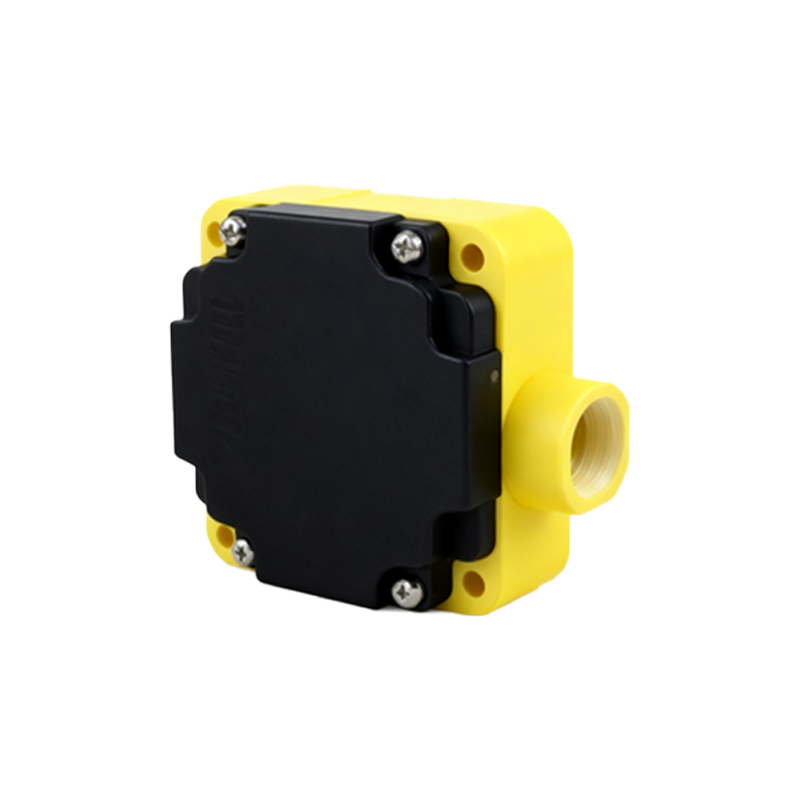
Compared to alternative technologies like light curtains, safety mats, or camera-based systems, magnetic tag systems offer unique benefits. They provide personalized identification, allowing for differentiated access levels. They are less prone to accidental activation by falling objects or ambient light. Their installation is often simpler, requiring only the mounting of sensors and distribution of tags, without extensive wiring grids or complex calibration. However, a limitation is the requirement for personnel to wear the tag consistently, which necessitates strict procedural controls.
Future trends point toward increased intelligence and connectivity. Sensors with integrated IO-Link communication can provide not just a binary signal but also diagnostic data, such as signal strength or sensor health, enabling predictive maintenance. Coupling the magnetic detection with RFID technology in a single tag allows for both presence sensing and individual identity verification, opening doors for advanced tracking and personalized machine interaction protocols.
In conclusion, magnetic proximity sensors, when deployed in a tag-based configuration, present a highly reliable, durable, and effective solution for human detection in industrial environments. They address critical safety needs by providing a non-intrusive, failsafe method to monitor the proximity of personnel to hazardous areas. As industries continue to prioritize worker safety and seek more sophisticated human-machine collaboration, the role of these robust magnetic sensing systems is set to expand, forming an invisible yet vital shield in the automated workplace.