In the realm of industrial automation and control systems, proximity sensors stand as fundamental components, enabling machines to perceive their environment without physical contact. These non-contact sensing devices detect the presence or absence of an object within a defined range, triggering a corresponding electrical signal. Their utility spans countless applications, fundamentally enhancing efficiency, safety, and reliability. The primary question—what are proximity sensors used for?—unlocks a discussion on their indispensable roles.
The core function of a proximity sensor is to detect objects. This simple action is the cornerstone of numerous complex processes. On automated assembly lines, for instance, inductive proximity sensors detect metallic components—like gears or casings—ensuring they are correctly positioned before a robotic arm performs a weld or an insertion. This verification prevents jams, misalignments, and product defects. Similarly, capacitive sensors can detect non-metallic materials such as wood, plastic, or liquids, making them perfect for monitoring material levels in hoppers or detecting the presence of glass or cardboard in packaging machinery.
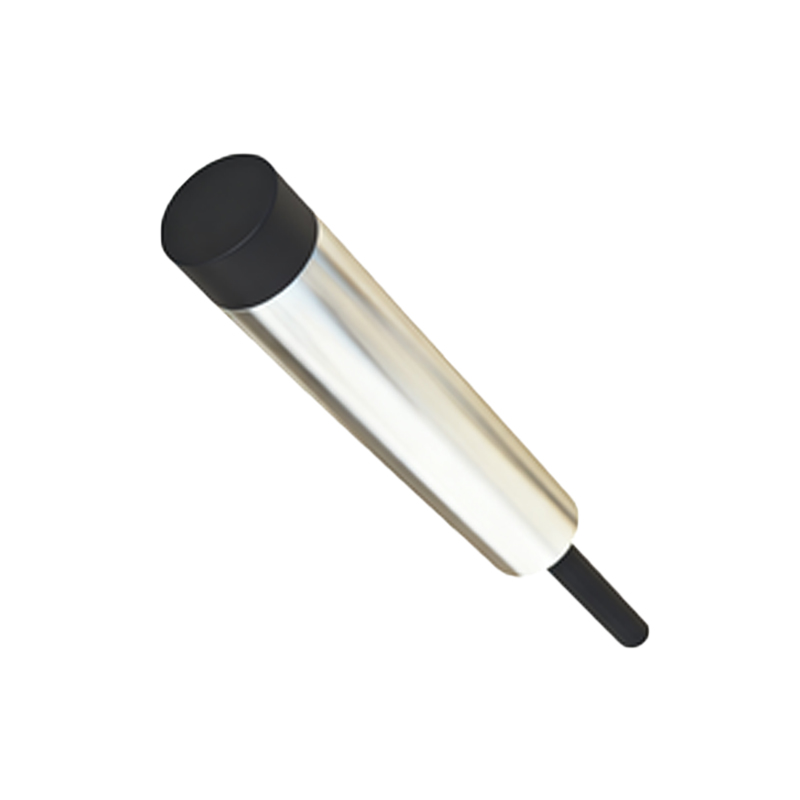
One of the most critical applications is in position sensing and end-of-travel detection. In the operation of linear actuators, sliding doors, or CNC machine tools, proximity sensors provide precise feedback on whether a moving part has reached its intended limit. This prevents over-travel, which could cause mechanical damage or safety hazards. Magnetic reed or Hall-effect sensors are often employed in these scenarios, especially where robust and reliable detection of a moving magnet is required.
Counting and inventory management are other vital areas. Proximity sensors mounted along a conveyor belt can count every bottle, box, or part that passes by. This data is fed into a Programmable Logic Controller (PLC) to track production volumes, manage inventory, and trigger automated sorting systems. High-speed counting, essential in pharmaceutical or electronics manufacturing, relies on sensors with fast response times and high switching frequencies.
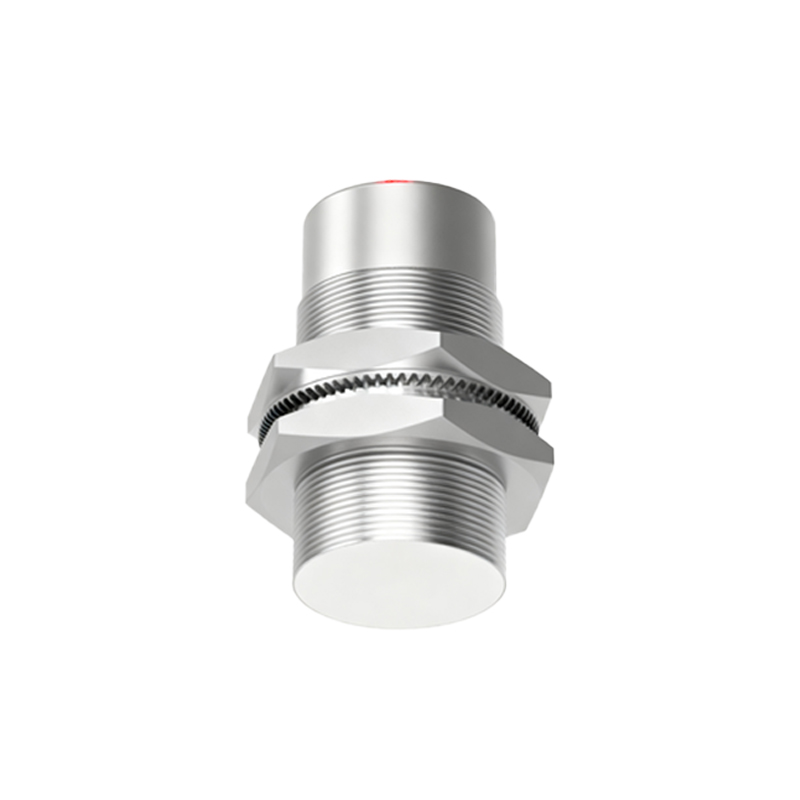
In the domain of safety, proximity sensors are paramount. They form the backbone of machine guarding systems. Safety-rated (often Type 4) sensors create an invisible protective field around dangerous machinery, such as press brakes or robotic cells. If a worker's hand or body breaks this field, the sensor sends an immediate stop signal to the machine, preventing accidents. This non-contact safety solution is far more reliable and maintenance-friendly than traditional physical guards or mechanical switches.
Speed monitoring and rotational control also leverage proximity sensing. By detecting teeth on a gear or markers on a rotating shaft, these sensors can calculate rotational speed (RPM). This information is crucial for controlling motor speeds, synchronizing conveyor belts, or detecting overspeed conditions in turbines and engines, enabling predictive maintenance before a failure occurs.
Furthermore, proximity sensors contribute significantly to energy efficiency. In automated lighting systems, for example, passive infrared (PIR) or microwave sensors detect human presence in a room, turning lights on only when needed and off when the area is vacant. In industrial settings, sensors can ensure machines and conveyors only operate when a part is present, reducing idle run time and power consumption.
The choice of sensor technology—inductive, capacitive, ultrasonic, photoelectric, or magnetic—depends on the target material, required sensing distance, environmental conditions (like dust, moisture, or temperature extremes), and cost considerations. Inductive sensors, immune to dirt and only sensing metals, are workhorses in metalworking. Ultrasonic sensors, capable of detecting various materials over longer distances, excel in level sensing or uneven surface detection.
In summary, the uses of proximity sensors are vast and integral to modern industry. They are the silent, unseen facilitators of automation, providing the essential "eyes" for machinery. From ensuring precise assembly and enabling high-speed counting to safeguarding human workers and optimizing energy use, their applications drive productivity, enhance quality control, and build safer, more intelligent industrial environments. Their continued evolution, with trends toward miniaturization, IO-Link connectivity for advanced diagnostics, and higher durability, promises to further expand their utility in the smart factories of the future.