In the realm of industrial automation, precision, speed, and reliability are paramount. Laser marking sensors have emerged as a cornerstone technology, enabling high-contrast, permanent marking on a vast array of materials—from metals and plastics to ceramics and glass. Unlike traditional contact-based methods or ink-based printing, laser marking is a non-contact process that utilizes a focused beam of light to alter the surface of a material, creating crisp, durable marks such as serial numbers, barcodes, logos, or data matrix codes. This technology is indispensable for traceability, quality control, and brand identification across industries like automotive, electronics, medical device manufacturing, and aerospace.
The core principle of laser marking involves the interaction between laser light and the material surface. Common types include fiber lasers, CO2 lasers, and UV lasers, each suited for different applications. Fiber lasers, with their high beam quality and efficiency, are predominantly used for marking metals and engineered plastics. CO2 lasers are ideal for organic materials like wood, leather, and certain plastics. UV lasers, operating at a shorter wavelength, provide "cold marking" with minimal heat-affected zones, perfect for sensitive materials like certain medical polymers or silicon wafers. The marking process can involve various techniques: annealing (for metals), foaming (for plastics), engraving, or color change, all controlled with exceptional precision by integrated software.
A modern laser marking system is far more than just a laser source. It integrates several critical components, with the sensor system playing a vital role. Key sensor types include:
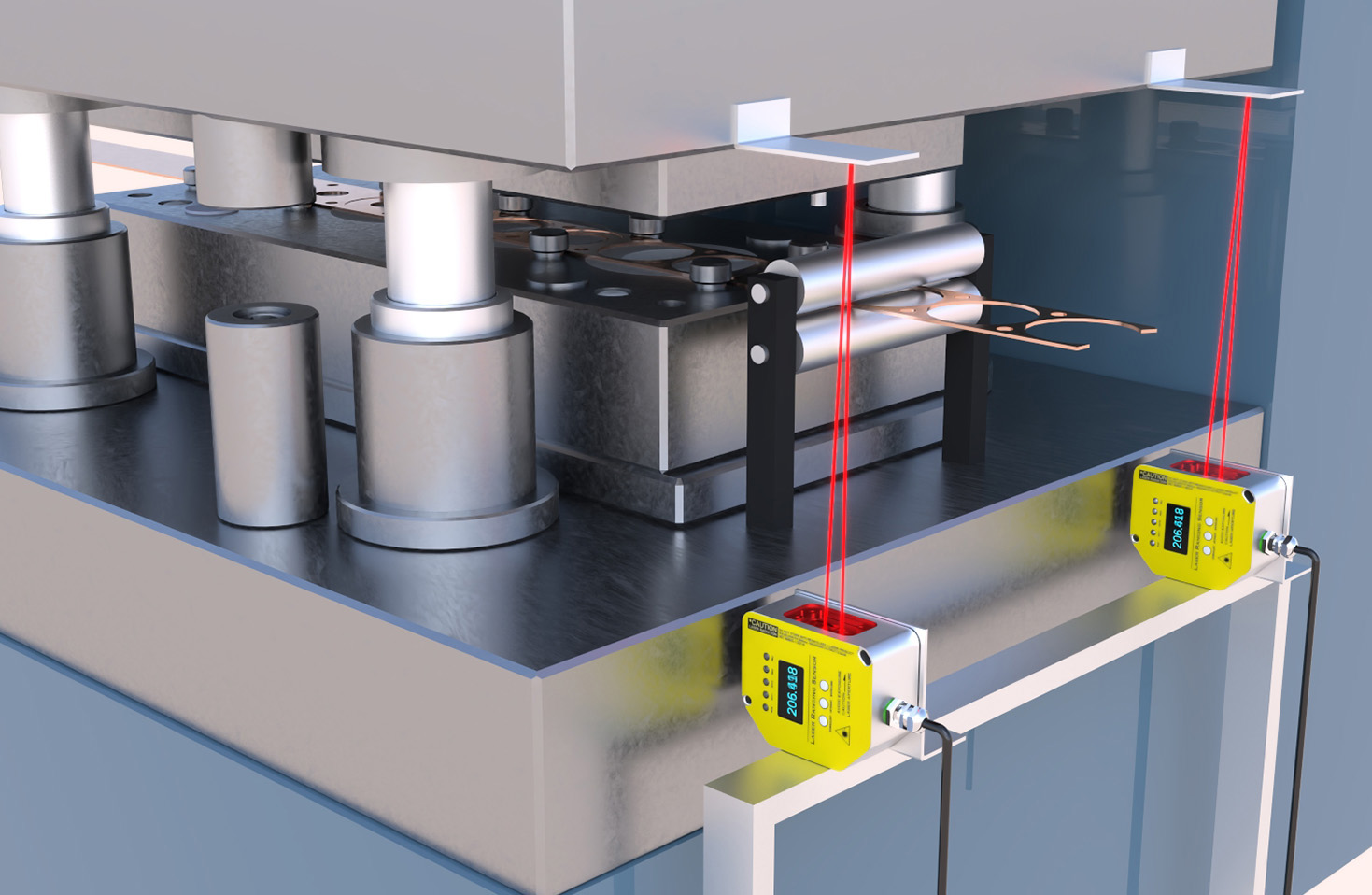
1. Focus/Height Sensors: These ensure the laser beam remains at the optimal focal distance from the workpiece, crucial for maintaining mark consistency, especially on uneven or curved surfaces. Autofocus systems use capacitive or optical sensors to make real-time adjustments.
2. Vision/Positioning Sensors: Integrated cameras or vision sensors are used for precise part localization. They identify the exact position and orientation of a component on a conveyor belt or fixture, allowing the laser galvo scanner to adjust the marking path accordingly. This is essential for marking pre-machined parts or applying marks at specific locations.
3. Beam Diagnostic Sensors: These monitor the laser beam's power, profile, and position. Photodiodes or CCD-based beam profilers provide feedback to ensure the laser is operating within specified parameters, preventing quality deviations and enabling predictive maintenance.

4. Temperature Sensors: Thermocouples or infrared sensors monitor the temperature of critical components like the laser source, optics, and galvanometer motors, preventing overheating and ensuring long-term system stability.
The integration of intelligent sensors transforms a standard laser marker into a smart, adaptive system. For instance, a vision-guided system can read a preliminary barcode on a part, query a database for specific marking data, verify the mark's quality post-process, and log all data for full traceability—all without human intervention. This closed-loop control is a hallmark of Industry 4.0, enhancing Overall Equipment Effectiveness (OEE).
Selecting the right laser marking sensor depends on several application-specific factors:
* Material: The substrate dictates the laser type and, consequently, the required beam monitoring sensors.
* Mark Requirements: The need for deep engraving versus surface annealing influences power monitoring needs.
* Production Environment: Harsh environments with dust, coolant, or vibration may require sensors with higher ingress protection (IP) ratings.
* Throughput Speed: High-speed lines demand faster vision sensors and quicker response times from focus systems.
* Integration Level: The choice between standalone sensors or a fully integrated, sensor-rich turnkey system impacts complexity and cost.
The future of laser marking sensors is geared towards greater intelligence and connectivity. Advances in machine learning allow vision systems to not only locate parts but also classify defects in real-time. The integration of Industrial Internet of Things (IIoT) platforms enables remote monitoring of sensor data, facilitating predictive analytics and minimizing unplanned downtime. Furthermore, the development of more compact and robust sensor packages allows for their deployment in increasingly constrained spaces within automated cells.
In conclusion, laser marking sensors are the enabling intelligence behind modern laser marking systems. They ensure precision, adaptability, and reliability in demanding industrial environments. From ensuring consistent focus to enabling vision-based guidance and comprehensive process monitoring, these sensors are critical for achieving the high-quality, permanent marks required for today's manufacturing traceability and efficiency standards. As automation evolves, the synergy between laser technology and advanced sensing will continue to drive innovation, offering even smarter, more connected, and more capable marking solutions for the factory of the future.