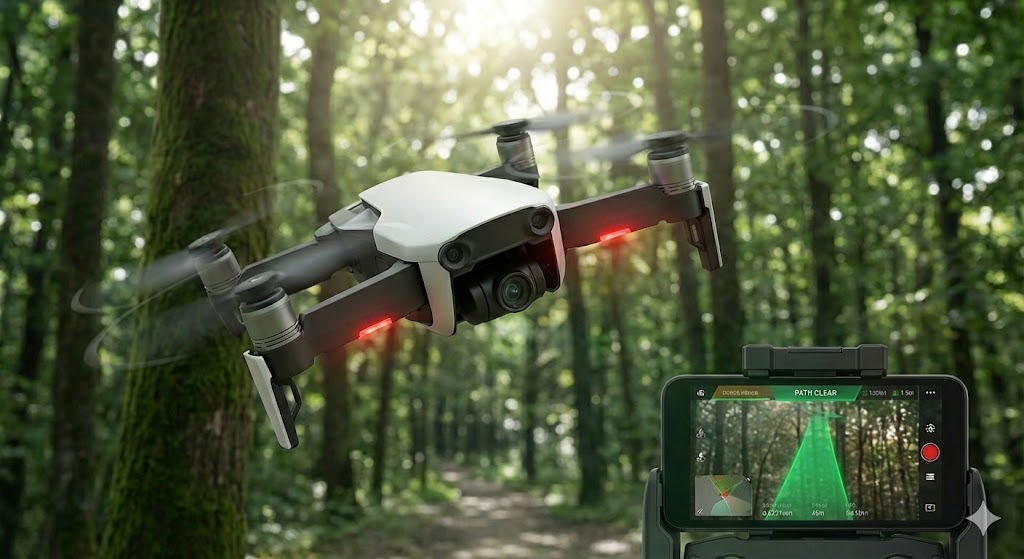
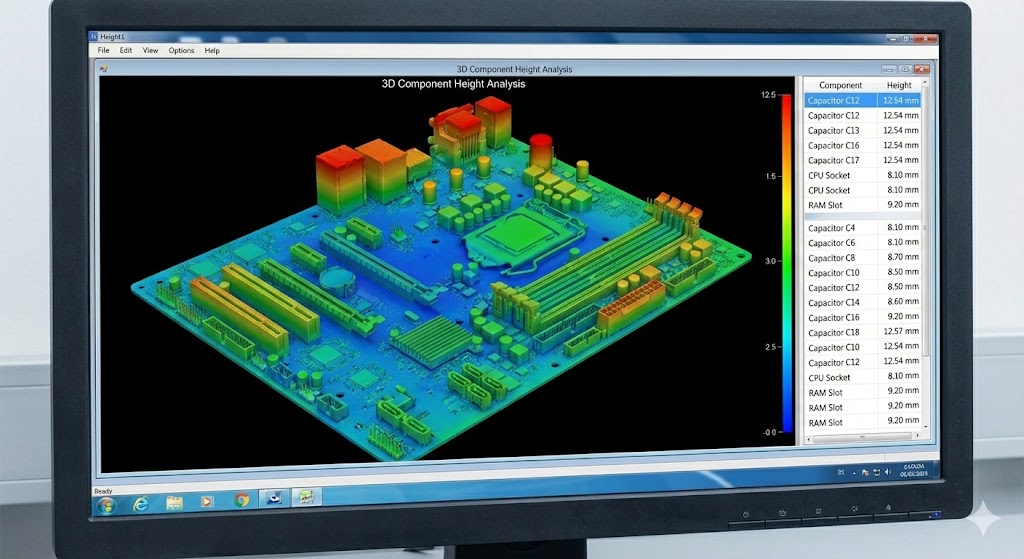
In the realm of industrial automation and precision engineering, Japan has consistently been at the forefront of technological innovation. Among the myriad of advanced tools driving this progress, laser measurement sensors stand out as critical components, enabling unparalleled accuracy, efficiency, and reliability in various applications. These sensors utilize laser technology to measure distance, displacement, thickness, and profile with micron-level precision, making them indispensable in modern manufacturing and quality control processes.
The development of laser measurement sensors in Japan is deeply rooted in the country's strong emphasis on research and development (R&D). Leading Japanese corporations, such as Keyence, Omron, and Panasonic, have invested heavily in advancing laser sensor technology. These companies focus on enhancing key parameters like resolution, response speed, and environmental robustness. For instance, Keyence's LK series of laser displacement sensors are renowned for their high-speed sampling rates and ability to perform stable measurements even on challenging surfaces, including transparent or glossy materials. This technological edge is achieved through sophisticated algorithms and optical designs that minimize interference from ambient light or surface conditions.
In practical applications, Japanese laser measurement sensors are widely deployed across multiple industries. In the automotive sector, they are used for precise inspection of component dimensions, alignment of parts during assembly, and monitoring of paint thickness to ensure consistent quality. The electronics industry relies on these sensors for measuring minute circuit board features, detecting defects in semiconductor wafers, and positioning components with extreme accuracy. Additionally, in robotics and automation, laser sensors facilitate real-time feedback for robotic arms, enabling adaptive movements in tasks such as welding, cutting, and material handling. The integration of these sensors with IoT (Internet of Things) platforms in smart factories allows for continuous data collection and analysis, leading to predictive maintenance and reduced downtime.
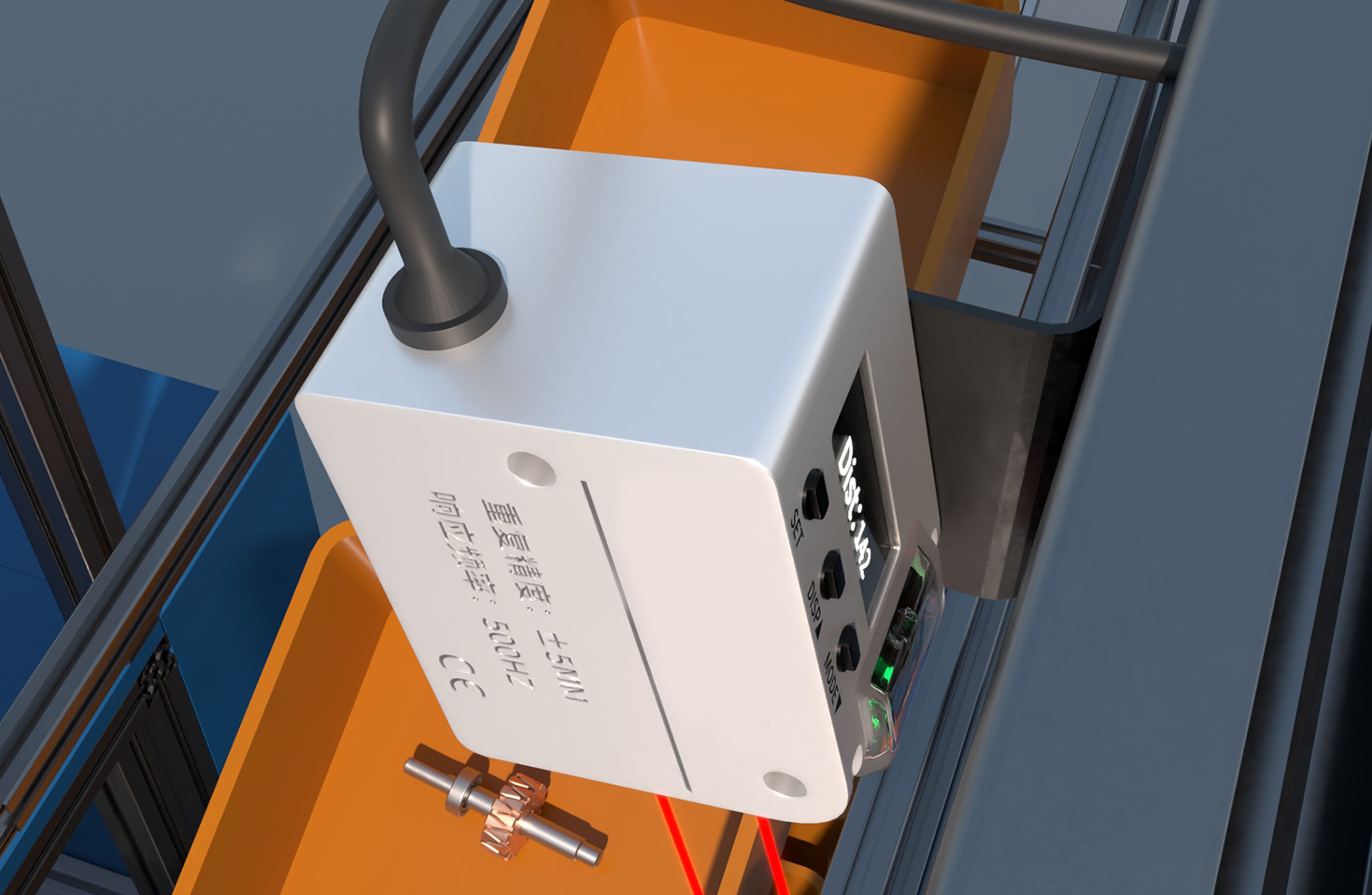
One notable trend in Japan's laser sensor market is the shift towards miniaturization and multifunctionality. Compact sensors with embedded processing capabilities are becoming increasingly popular, as they can be easily integrated into tight spaces within machinery without compromising performance. Moreover, advancements in blue laser technology have improved measurement stability on organic materials, such as rubber or food products, expanding the sensors' applicability to new fields like pharmaceuticals and agriculture. Japanese engineers are also exploring the use of AI (Artificial Intelligence) to enhance sensor data interpretation, enabling more sophisticated decision-making in automated systems.
Despite the advantages, challenges remain, including high costs for cutting-edge models and the need for specialized expertise in calibration and operation. However, Japanese manufacturers are addressing these issues through user-friendly interfaces, comprehensive training programs, and competitive pricing strategies for mid-range products. The commitment to quality and innovation ensures that Japan continues to set global benchmarks in laser measurement sensor technology.
Looking ahead, the future of laser measurement sensors in Japan appears promising, with ongoing research into quantum sensing and hyperspectral imaging poised to unlock new capabilities. As industries worldwide strive for greater precision and efficiency, Japanese laser sensors will likely play a pivotal role in shaping the next generation of smart manufacturing and beyond.