In the realm of industrial automation, the reliability and precision of sensing components are paramount. Among these, the M14 proximity sensor stands as a workhorse, a cylindrical inductive sensor with an 18mm thread (M14 x 1) that has become a standard in countless applications. This article delves into the technical specifications, operational principles, selection criteria, and practical implementation of the M14 proximity switch, providing a detailed guide for engineers and technicians.
At its core, the M14 proximity sensor is a non-contact electronic device designed to detect the presence or absence of metallic objects within its sensing range without any physical contact. Operating on the principle of electromagnetic induction, the sensor generates a high-frequency oscillating electromagnetic field from its active face. When a conductive metal target enters this field, eddy currents are induced on the target's surface. This causes a change in the oscillation amplitude within the sensor's coil, which is detected by the internal circuitry. This detection triggers a change in the sensor's output state, typically switching a solid-state transistor (PNP or NPN) to signal the presence of the object to a programmable logic controller (PLC) or other control system.
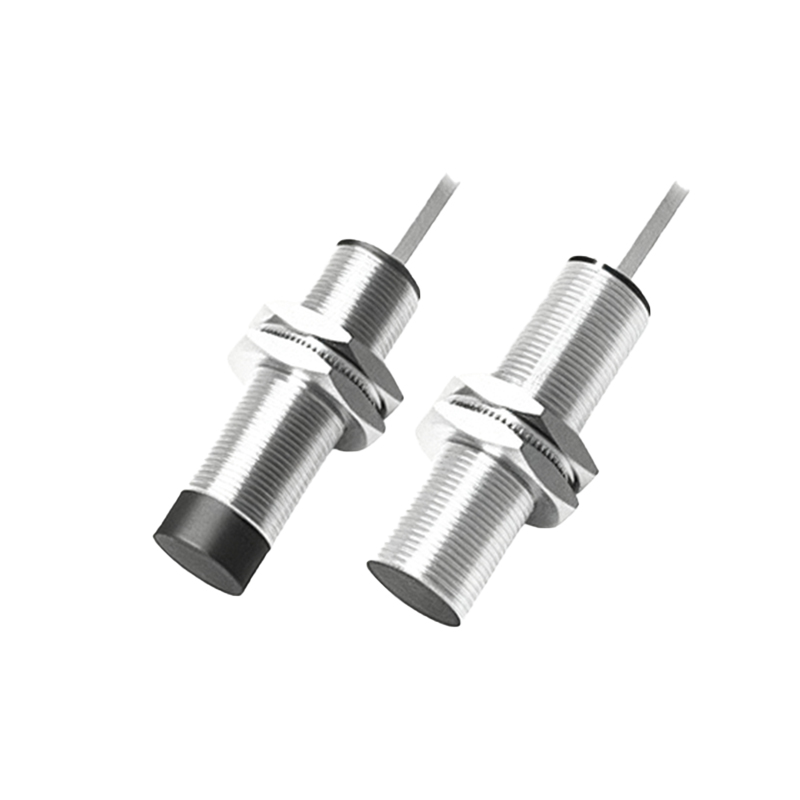
The M14 form factor offers a robust and versatile solution. Its cylindrical stainless steel or nickel-plated brass housing provides excellent resistance to mechanical stress, coolant, oil, and mild chemicals commonly found in industrial environments, often meeting IP67 or IP68 ingress protection ratings. The standard sensing distances for inductive M14 sensors vary, commonly ranging from 2mm to 4mm for mild steel targets. It is crucial to note that the sensing distance is rated for a standard target (usually a 1mm thick square of mild steel) and can be affected by the target material's properties; for instance, the sensing range for aluminum or copper is typically reduced. Key electrical specifications include operating voltage (commonly 10-30V DC), output type (sourcing/PNP or sinking/NPN, NO/NC), and current rating (often 200mA). Many modern M14 sensors feature short-circuit and overload protection, reverse polarity protection, and LED status indicators.
Selecting the correct M14 sensor requires careful consideration of several factors. First, identify the target material. Standard inductive sensors detect ferrous and non-ferrous metals, but for specific non-metallic applications, capacitive M14 sensors are available. Second, determine the required sensing distance, factoring in installation tolerances and safety margins. Third, choose the appropriate output configuration based on the control system's input card requirements. A PNP (sourcing) sensor switches the positive voltage to the load, while an NPN (sinking) sensor switches the ground path. Fourth, consider the environmental conditions, such as temperature extremes, potential washdowns, or exposure to welding sparks, which may necessitate specialized models with higher IP ratings or weld-field immunity.
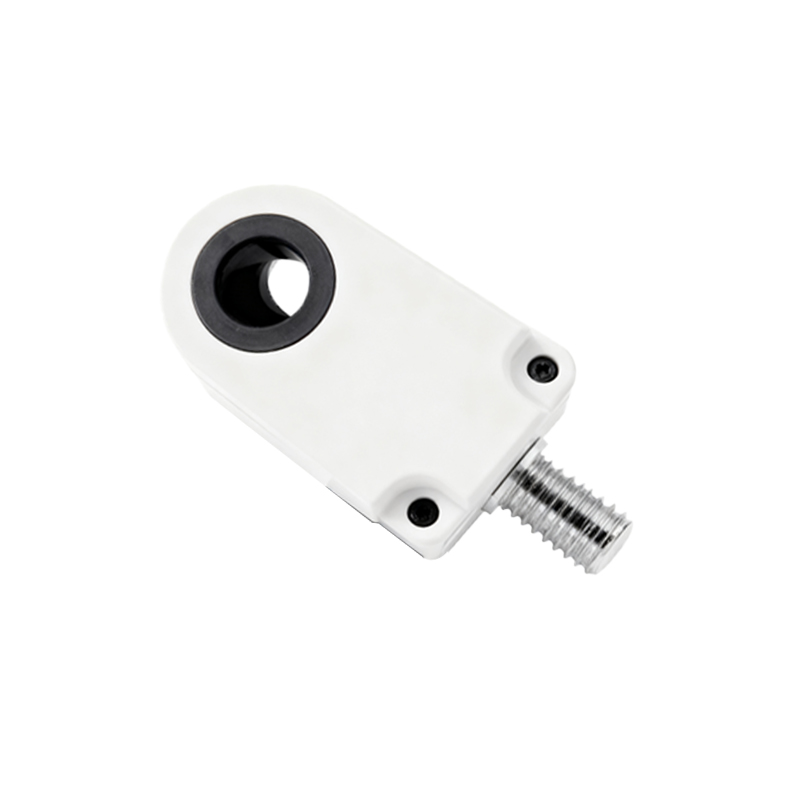
Installation and wiring are straightforward but demand attention to detail. The sensor is threaded into a pre-tapped M14 mounting hole, often using a lock nut to secure its position and prevent rotation. Proper alignment between the sensor's active face and the target path is essential for consistent operation. The wiring typically involves three leads: brown for DC+, blue for DC-, and black for the switched output signal. Always refer to the manufacturer's datasheet for the exact wiring diagram. A common pitfall is incorrect grounding or mixing PNP and NPN sensors on the same common line, which can lead to malfunction or damage.
In practice, M14 proximity sensors are ubiquitous. They are used for precise position detection of machine parts, such as cylinders, slides, and clamps. They serve as limit switches in automated assembly lines, count metallic products on conveyors, monitor rotational speed by detecting gear teeth or keyways, and verify the presence of tools in CNC machining centers. Their non-contact nature ensures long operational life with no mechanical wear, providing millions of reliable switching cycles.
Troubleshooting typically involves checking the power supply voltage, verifying the target is within the specified range and material, inspecting the LED indicator, and ensuring correct wiring and load compatibility. Using a multimeter to check the output voltage in the presence and absence of a target is a standard diagnostic procedure.
In conclusion, the M14 proximity sensor is a fundamental component in industrial electrical and control systems. Its standardized size, robust construction, and reliable performance make it an indispensable tool for automation. By understanding its operating principles, specifications, and application nuances, engineers can effectively integrate these sensors to enhance machine efficiency, safety, and reliability. As technology advances, M14 sensors continue to evolve, incorporating features like IO-Link communication for advanced diagnostics and parameterization, ensuring their relevance in the evolving landscape of Industry 4.0.