In the realm of industrial automation, the precision and reliability of sensor systems are paramount. Among the various sensing technologies, proximity photoelectric sensors stand out for their non-contact detection capabilities, utilizing light beams to identify the presence, absence, or distance of objects. However, the effectiveness of these sensors is heavily dependent on their positioning and alignment. This is where adjustable mounting brackets come into play, serving as critical components that ensure optimal performance and adaptability in diverse applications.
Adjustable mounting brackets for proximity photoelectric sensors are engineered to provide a secure yet flexible installation platform. These brackets typically feature a combination of swivel joints, sliding mechanisms, and locking screws, allowing for multi-axis adjustments. This design enables fine-tuning of the sensor's angle, height, and orientation with minimal effort. For instance, in conveyor belt systems, where objects vary in size and speed, the ability to precisely align the sensor beam ensures accurate detection and reduces false triggers. The brackets are often constructed from durable materials such as stainless steel or aluminum, offering resistance to corrosion, vibration, and mechanical stress commonly encountered in industrial environments like manufacturing plants, packaging lines, and automotive assembly units.
The advantages of using adjustable brackets extend beyond mere installation convenience. They significantly enhance system flexibility, enabling quick reconfiguration for different production runs or sensor types without requiring complete disassembly. This adaptability is crucial in today's fast-paced industries, where downtime can lead to substantial financial losses. Moreover, proper mounting minimizes sensor misalignment, which can cause erratic readings, reduced detection range, or even sensor failure. By ensuring consistent beam focus and target interaction, these brackets help maintain the sensor's specified sensing distance and response time, thereby improving overall system efficiency and safety. For example, in robotic arm applications, precise sensor positioning via adjustable brackets allows for accurate object grasping and placement, enhancing automation precision.
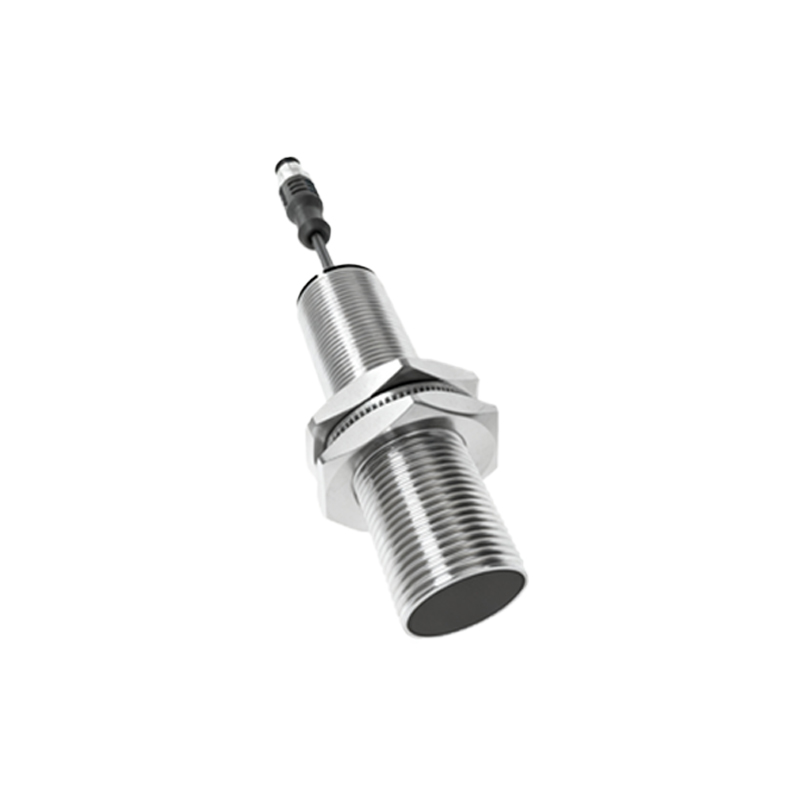
When selecting an adjustable mounting bracket, several factors must be considered to match the specific sensor and application requirements. Key parameters include the bracket's load capacity, compatibility with sensor dimensions (such as barrel or rectangular styles), environmental ratings (e.g., IP67 for dust and water resistance), and adjustment range. It is also essential to evaluate the ease of installation—brackets with tool-free adjustments or integrated cable management features can streamline setup and maintenance. Industry standards, such as those from IEC or ISO, often guide bracket design to ensure interoperability and reliability. In practice, engineers should conduct thorough testing after mounting to verify sensor alignment under operational conditions, using alignment tools or software diagnostics if available.
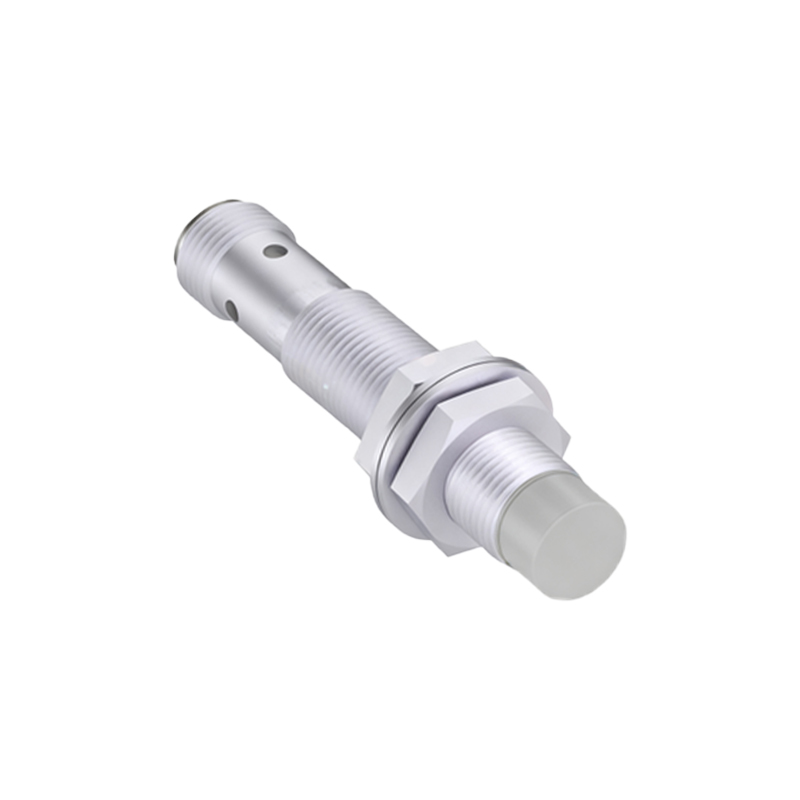
Looking ahead, innovations in adjustable mounting solutions continue to evolve alongside sensor technology. Smart brackets with integrated feedback mechanisms, such as digital angle indicators or wireless connectivity for remote adjustments, are emerging trends. These advancements promise even greater precision and integration with Industry 4.0 systems, enabling real-time monitoring and automated calibration. As industries increasingly adopt automated processes, the role of adjustable mounting brackets will remain indispensable, bridging the gap between sensor capability and practical implementation. By investing in high-quality, adaptable mounting hardware, businesses can maximize the longevity and performance of their photoelectric sensors, driving productivity and reducing operational costs in the long term.
In summary, adjustable mounting brackets are not mere accessories but vital enablers for proximity photoelectric sensors. They provide the necessary stability and flexibility to harness the full potential of sensing technology, ensuring accurate, reliable, and efficient automation across various industrial sectors. Whether for simple presence detection or complex positioning tasks, the right bracket can make a significant difference in system performance, underscoring the importance of thoughtful selection and installation in engineering practices.