Proximity sensors are indispensable components in modern industrial automation, providing non-contact detection of objects within a specific range. Their ability to operate without physical contact ensures reliability, longevity, and high-speed operation in demanding environments. Understanding the different types of proximity sensing technologies is crucial for selecting the right sensor for a given application. The primary operating principles can be categorized into several distinct methods, each with its own advantages, limitations, and ideal use cases.
The most common type is the Inductive Proximity Sensor. This sensor generates an electromagnetic field using a coiled wire wound around a ferrite core. When a metallic object, typically ferrous metals like steel or iron, enters this field, it induces eddy currents within the target. These currents cause a change in the oscillation amplitude within the sensor's circuit, which is detected and triggers a switching output. Inductive sensors are robust, resistant to environmental factors like dust, oil, and moisture, and are excellent for short-range detection of metals. They are widely used in machine tools, automotive assembly lines, and material handling for tasks like counting, positioning, and end-of-travel detection.
Another prevalent technology is the Capacitive Proximity Sensor. These sensors can detect both metallic and non-metallic objects, including liquids, powders, plastics, and wood. They function by generating an electrostatic field between two electrodes. When any material with a dielectric constant different from air enters this field, it alters the capacitance of the circuit. This change is measured, and when it exceeds a preset threshold, the sensor activates. Capacitive sensors are ideal for level detection in tanks (for liquids or granules), presence detection of non-metallic products on conveyor belts, and touch-sensitive interfaces. However, they can be sensitive to environmental changes like humidity and temperature.
For longer-range detection and applications requiring sensing of all material types, Photoelectric Sensors are the preferred choice. They operate by emitting a beam of light (visible, infrared, or laser) and detecting its reflection or interruption. There are three main configurations: through-beam (separate emitter and receiver), retro-reflective (uses a reflector), and diffuse (reflective), where the sensor itself emits and receives light bounced off the target. Photoelectric sensors offer the longest sensing ranges among proximity sensors and are highly versatile. They are used in packaging, pharmaceutical, and food & beverage industries for object counting, web break detection, and precise positioning.
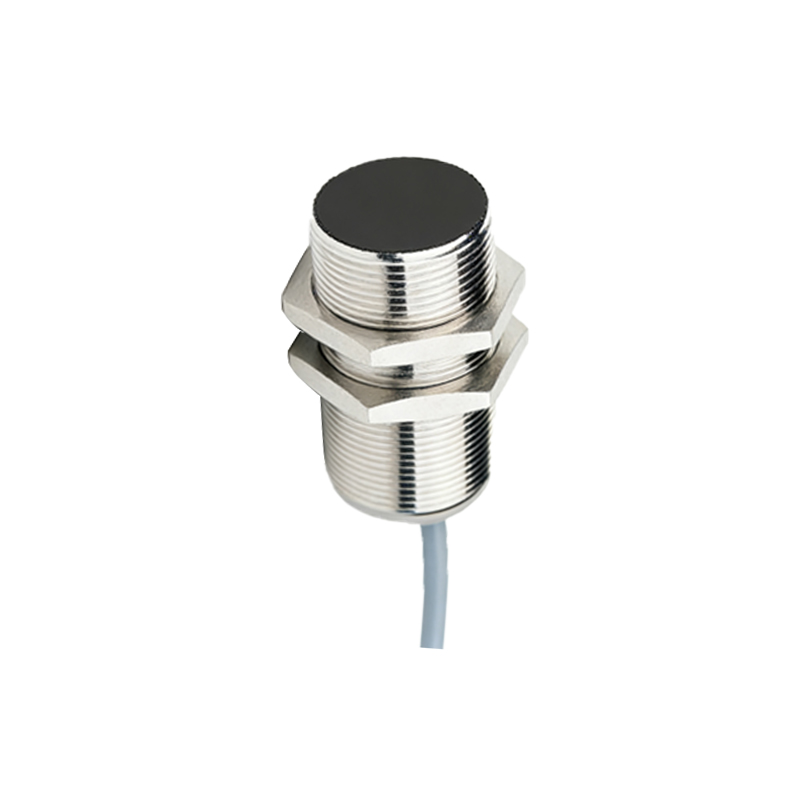
Ultrasonic Proximity Sensors utilize sound waves beyond the human hearing range. They emit high-frequency ultrasonic pulses and measure the time it takes for the echo to return from a target object. This time-of-flight principle allows them to detect objects regardless of color, transparency, or material composition. They are particularly effective for detecting clear objects (like glass bottles), liquid levels in harsh chemical environments, and for applications requiring precise distance measurement. While less affected by dust and fog than photoelectric sensors, they can be influenced by temperature variations and air turbulence.
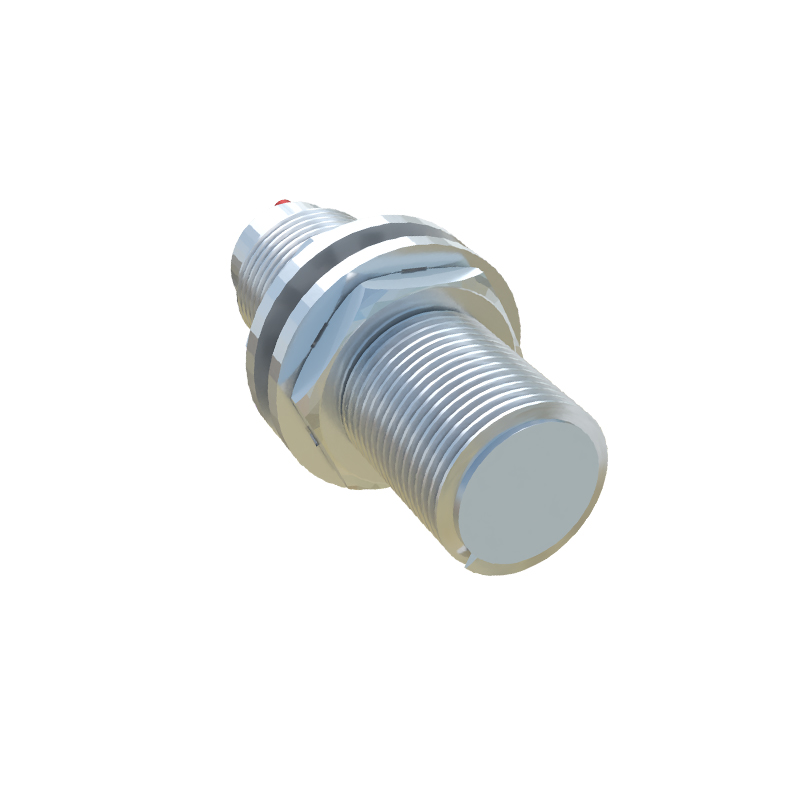
A specialized category is the Magnetic Proximity Sensor, often referred to as a reed switch or Hall-effect sensor. These detect the presence of a permanent magnet. Reed switches consist of two ferromagnetic reeds sealed in a glass tube; when a magnet approaches, the reeds attract and close the circuit. Hall-effect sensors produce a voltage change when exposed to a magnetic field. They are extremely reliable for detecting the position of cylinders with embedded magnets (piston position in pneumatic cylinders) or in safety door interlocks. They are immune to non-magnetic contaminants and operate effectively in dirty or wet conditions.
Finally, Eddy-Current Sensors represent a high-precision variant of inductive sensing. They are used for precise displacement and position measurement of conductive targets, often in sub-micron resolutions. While not typically used for simple on/off switching in standard automation, they are critical in precision machining, vibration monitoring, and runout measurement in high-speed spindles.
Selecting the appropriate proximity sensor involves careful consideration of the target material, required sensing distance, environmental conditions (temperature, contaminants), response speed, and output requirements. Inductive sensors excel with metals in harsh settings, capacitive sensors handle diverse materials at short ranges, photoelectric sensors provide versatility and range, ultrasonic sensors manage challenging materials and levels, and magnetic sensors offer simple, reliable detection of magnets. By matching the technology to the application's specific demands, engineers can ensure optimal performance, reliability, and efficiency in any automated system.