In the rapidly evolving landscape of industrial automation and smart systems, the role of proximity sensors has become increasingly critical. The latest generation of these devices offers unprecedented levels of precision, reliability, and integration capabilities. For engineers and system designers, a deep understanding of their key performance parameters is essential for optimal selection and application. This article delves into the core specifications that define the capabilities of modern inductive, capacitive, and photoelectric proximity sensors.
The fundamental operating principle remains the detection of an object's presence without physical contact. However, new technologies have significantly refined this process. One of the most crucial parameters is the Sensing Distance. This nominal range, typically specified for a standard target, defines the operational limit. Advanced models now feature reduced hysteresis and offer exceptional stability across temperature fluctuations, ensuring consistent performance. It is vital to note that the actual sensing distance can be affected by the target material's properties, size, and shape, especially for inductive sensors.
Repeatability stands as a cornerstone of sensor quality. It refers to the sensor's ability to consistently detect an object at the same precise point under identical conditions. High-end new proximity sensors achieve repeatability accuracies within micrometers, a necessity for precision assembly and robotics. This parameter is intrinsically linked to the sensor's internal oscillator stability and signal processing algorithms.
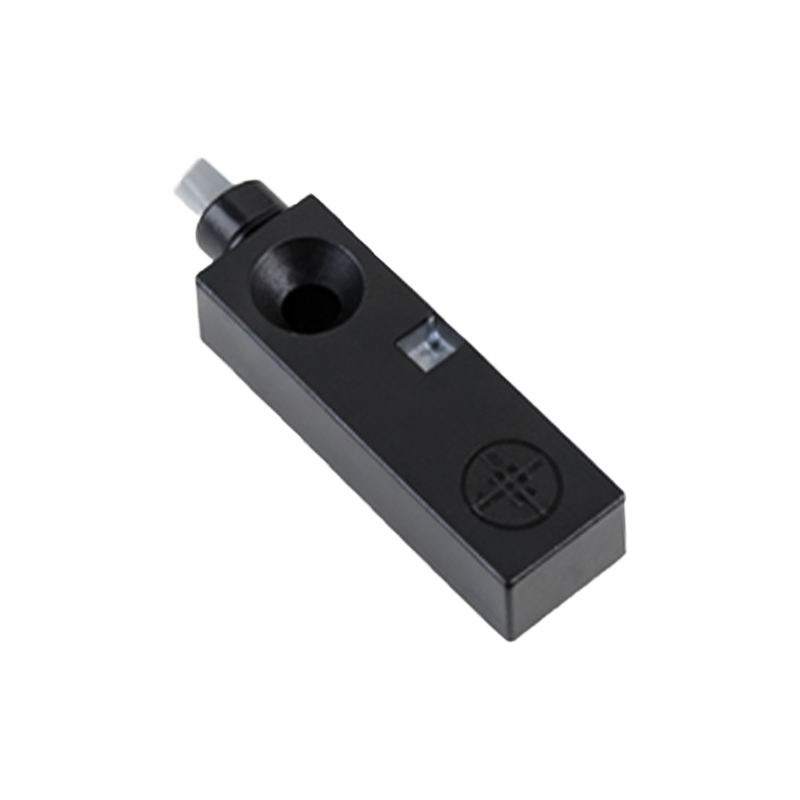
Response Time or switching frequency is another pivotal metric. It determines how quickly a sensor can react to the presence or absence of a target. Modern high-speed sensors boast response times in the microsecond range, with switching frequencies exceeding several kilohertz. This enables their use in high-throughput packaging lines, sorting systems, and synchronized motion control applications where every millisecond counts.
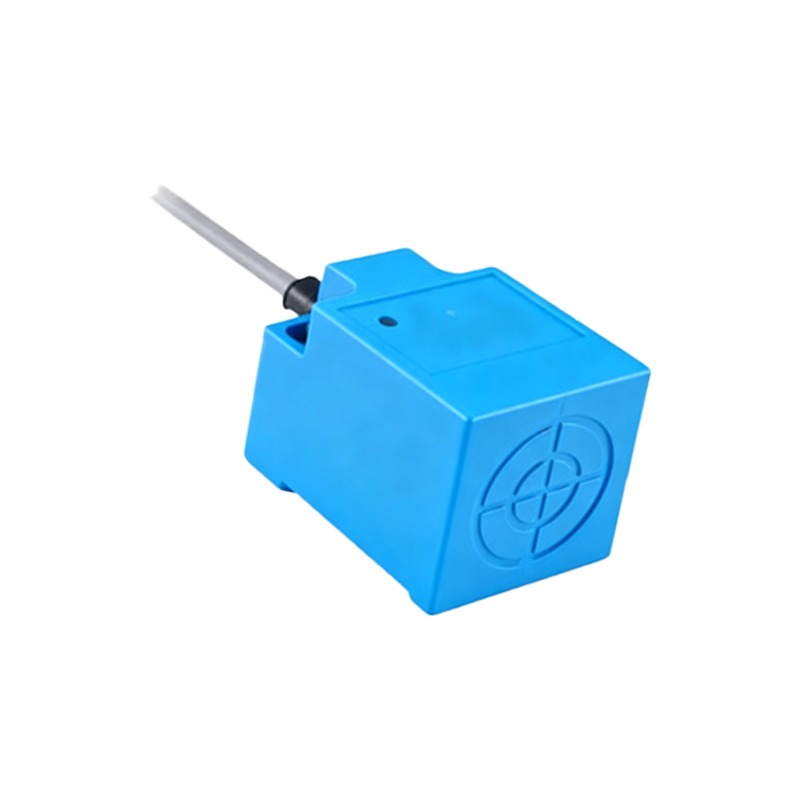
Environmental Robustness parameters have seen substantial improvement. Key among these are the operating temperature range, ingress protection (IP) rating, and resistance to environmental factors. New sensors are designed to function reliably from -40°C to +85°C or beyond. High IP ratings (e.g., IP67, IP69K) guarantee resistance to dust, water jets, and even temporary immersion, making them suitable for harsh washdown environments in food and beverage or pharmaceutical industries. Furthermore, advanced models incorporate robust shielding and circuitry to mitigate the effects of electromagnetic interference (EMI) and voltage spikes.
Output Configuration is a key selection criterion. While traditional PNP/NPN transistor outputs remain prevalent, new sensors offer enhanced flexibility. This includes short-circuit and overload protection, programmable logic functions, and the integration of IO-Link communication. IO-Link transforms a simple sensor into an intelligent device, enabling remote parameter configuration, real-time diagnostics, and process data monitoring, which is integral to Industry 4.0 and predictive maintenance strategies.
Hysteresis is a designed characteristic to prevent output chatter when a target is at the edge of the sensing range. It is the difference between the switch-on point (as the target approaches) and the switch-off point (as it recedes). New sensor designs optimize this value to ensure clean, bounce-free switching while maximizing the effective sensing window.
Finally, considering Physical Design parameters is essential. This includes the housing material (often stainless steel or PBT plastic), connector type (pre-wired or quick-disconnect), and form factor (cylindrical, rectangular, or slot-style). Miniaturization is a clear trend, allowing installation in space-constrained applications without sacrificing sensing performance.
In conclusion, selecting the appropriate new proximity sensor requires a careful analysis of these interlinked performance parameters against the specific application demands. The latest generation offers not just detection, but intelligent, reliable, and communicative functionality that forms the backbone of modern automated systems. Engineers must look beyond the basic datasheet specifications and consider the total cost of ownership, which includes installation ease, maintenance needs, and integration into broader digital networks.