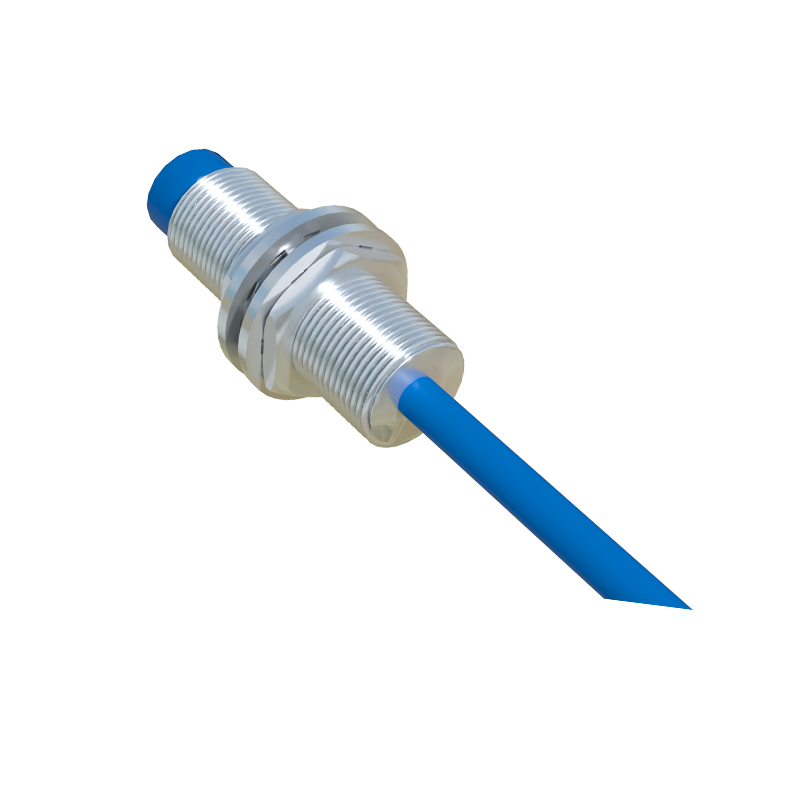
Capacitive proximity sensors are essential components in modern electrical engineering, offering non-contact detection of both metallic and non-metallic objects. These sensors operate based on the principle of capacitance change between the sensor's electrode and a target object. When an object enters the sensor's electrostatic field, it alters the capacitance, triggering an output signal. This mechanism allows for reliable detection through various materials, such as plastics, glass, or liquids, making them versatile for diverse industrial applications.
In industrial automation, capacitive proximity sensors are widely used for level detection, object counting, and material handling. For instance, in packaging lines, they ensure precise positioning of items, while in liquid processing, they monitor tank levels without direct contact, reducing contamination risks. Their ability to sense through container walls enhances efficiency and safety. Compared to inductive sensors, which only detect metals, capacitive sensors provide broader functionality, though they may require careful calibration to avoid false triggers from environmental factors like humidity or dust.
The design of capacitive proximity sensors involves key elements such as oscillation circuits, signal processors, and output stages. Modern advancements include integrated microcontrollers for adaptive sensitivity adjustment and robust housing materials like PTFE or stainless steel for harsh environments. Engineers must consider factors like sensing range, response time, and electrical noise immunity when selecting sensors. Typical sensing distances range from a few millimeters to several centimeters, depending on the target material and sensor size.
Applications extend beyond manufacturing to consumer electronics, automotive systems, and smart devices. In smartphones, capacitive sensors enable touchscreens and proximity-based screen dimming. Automotive uses include rain sensors for automatic wipers and occupancy detection for airbag systems. The rise of IoT has further driven demand for miniaturized, low-power sensors that integrate seamlessly with wireless networks.
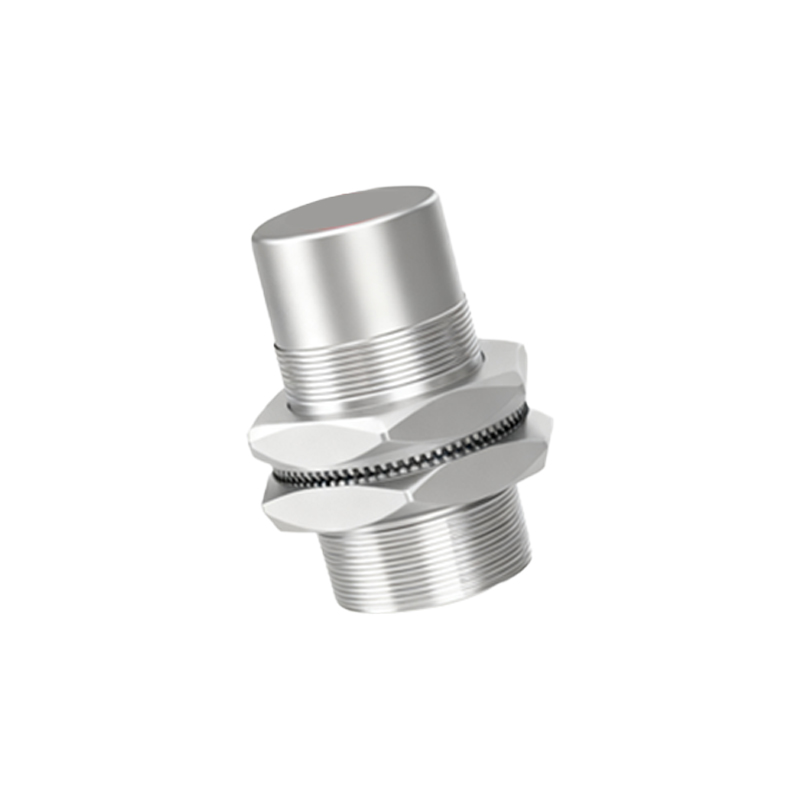
Despite their advantages, challenges persist. Sensitivity to environmental changes can lead to drift, requiring periodic maintenance. Shielding techniques and digital filtering are often employed to mitigate interference. Future trends focus on enhancing accuracy with AI-driven calibration and expanding use in renewable energy sectors, such as monitoring solar panel conditions. As technology evolves, capacitive proximity sensors will continue to play a pivotal role in enabling smarter, more responsive electrical systems.
For electrical engineers, understanding these sensors' operational limits and integration methods is crucial. Regular testing with real-world targets ensures optimal performance. By leveraging their adaptability, industries can achieve higher automation levels, reduced downtime, and improved safety standards. In summary, capacitive proximity sensors represent a dynamic field where innovation meets practical utility, driving progress across multiple sectors.