In the industrial automation of brick manufacturing, proximity switch sensors play a critical role in ensuring precision, efficiency, and safety. These non-contact sensors are specifically designed to detect the presence or absence of metallic objects without physical interaction, making them ideal for the harsh and demanding environments of brick production lines. This article delves into the technical aspects, selection criteria, and application benefits of proximity sensors tailored for brick making machinery.
Brick making machines operate under rigorous conditions involving dust, vibration, moisture, and temperature fluctuations. Proximity sensors used in this context must withstand these challenges while maintaining reliable performance. Inductive proximity switches are the most common type, as they detect ferrous and non-ferrous metals used in molds, conveyors, and stacking systems. Their robust construction, typically with IP67 or higher ingress protection ratings, ensures durability against brick dust and water splashes. Key parameters include sensing range, response frequency, and output type (e.g., PNP or NDC). For instance, a sensor with a 5mm range and high switching frequency can precisely monitor mold positions during the compaction cycle, reducing cycle times and minimizing jams.
Installation and integration are crucial for optimal functionality. Sensors should be mounted securely to avoid misalignment caused by machine vibrations. Shielded versions are recommended to prevent electromagnetic interference from motors or drives. In automated brick plants, these sensors interface with PLCs (Programmable Logic Controllers) to provide real-time feedback for control systems. Applications include detecting brick ejection, monitoring conveyor belt movement, ensuring proper stacking alignment, and safeguarding operators by halting machinery when obstructions are detected. For example, on a palletizing line, sensors verify each brick layer’s placement, enhancing product consistency and reducing waste.
Maintenance practices involve regular cleaning of sensor faces to prevent dust buildup, which can attenuate signals. Diagnostic features like LED indicators help troubleshoot issues quickly, minimizing downtime. When selecting a proximity sensor for brick machines, consider factors such as temperature tolerance (often -25°C to 70°C), housing material (stainless steel for corrosion resistance), and connection types (M12 connectors for easy replacement). Advanced models offer teach-in functionality for adaptive sensing in variable conditions.
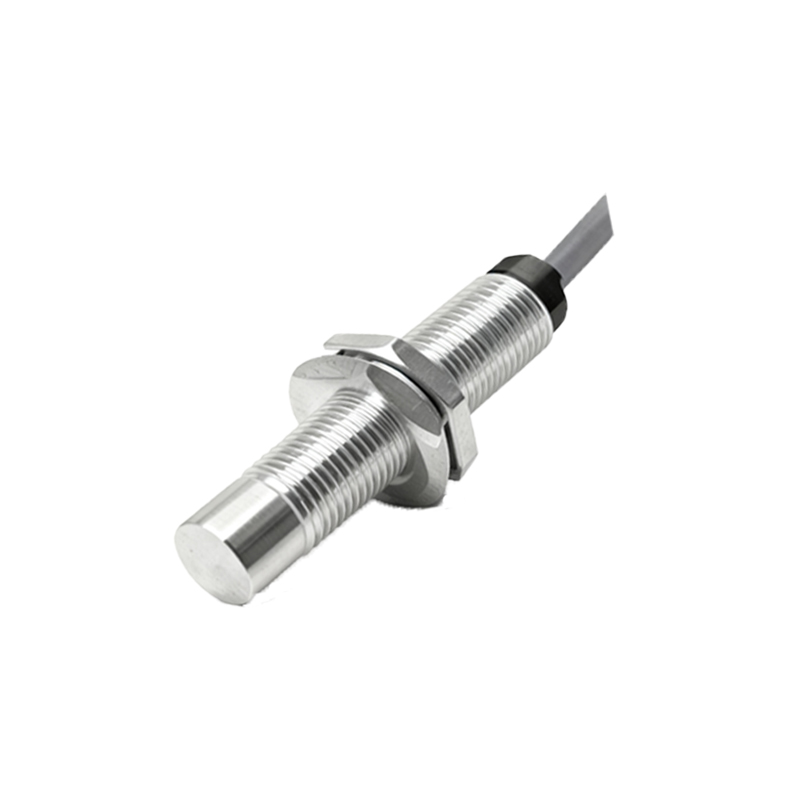
Ultimately, investing in high-quality proximity switches tailored for brick manufacturing leads to improved productivity, lower operational costs, and enhanced safety. By enabling precise automation, these sensors contribute to consistent brick quality and streamlined production flows, meeting the growing demands of the construction industry. As technology evolves, innovations like IO-Link connectivity are emerging, allowing for smarter sensor networks and predictive maintenance in brick plants.