In industrial automation and control systems, proximity switches are fundamental components for non-contact object detection. Their reliability is paramount for ensuring smooth production flow, machine safety, and process consistency. However, a particularly vexing issue that maintenance engineers and technicians frequently encounter is the intermittent failure of these sensors. Unlike a complete and permanent failure, an intermittent problem—where the sensor works correctly at times and fails at others—can be notoriously difficult to diagnose and resolve. This article delves into the common root causes of such erratic behavior in inductive, capacitive, and magnetic proximity switches and provides a structured approach to troubleshooting.
The hallmark of an intermittent fault is unpredictability. A sensor might function perfectly during a manual test but fail under specific machine cycles, or it may work in the morning but become unreliable as ambient temperature rises in the afternoon. This inconsistency often points to issues that are not intrinsic to the sensor's core electronics but are related to its installation, environment, or the system it interfaces with.
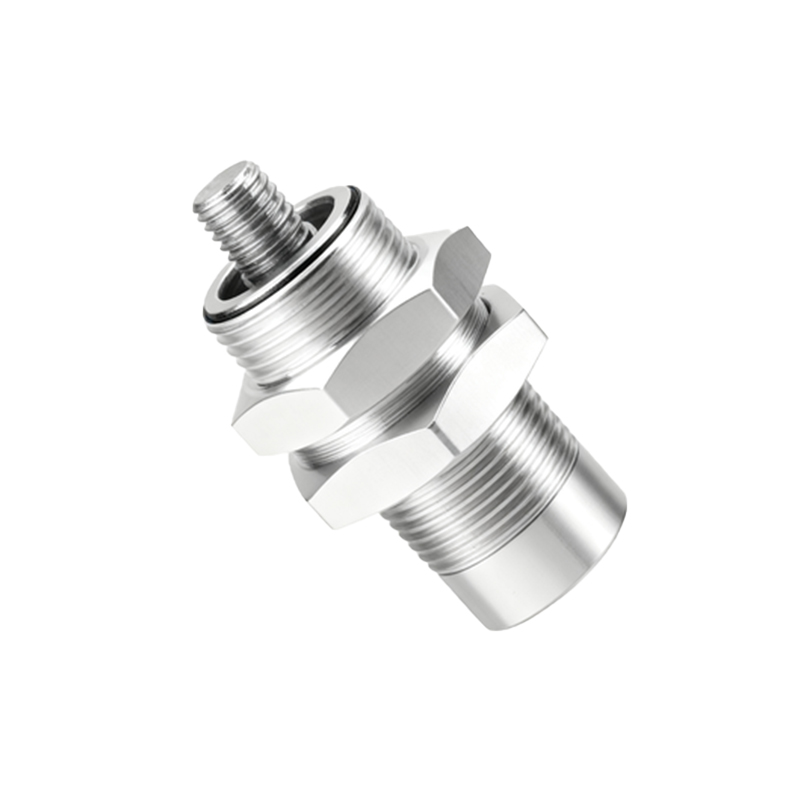
Primary Causes of Intermittent Operation:
1. Electrical Noise and Interference: This is arguably the most common culprit in modern industrial environments rich with variable frequency drives (VFDs), solenoids, motors, and communication networks. Electrical noise can induce false signals in the sensor or its wiring. Intermittency occurs when the noise level fluctuates, perhaps coinciding with the startup of a large motor or the cycling of a welding machine. Symptoms include the sensor triggering without a target present or failing to detect a valid target. Shielded cables, proper grounding of the sensor body and shield (at the controller end only), and physical separation from noise sources are critical preventive measures.
2. Power Supply Instability: Proximity switches require a stable voltage within their specified range (e.g., 10-30V DC). Voltage sags, spikes, or ripple on the supply line can cause erratic operation. These instabilities might be caused by a failing power supply, high inrush currents from other devices on the same circuit, or long cable runs with insufficient wire gauge. Measuring the voltage at the sensor terminals during the failure event is crucial. The use of a dedicated, regulated power supply for sensitive sensors is often recommended.
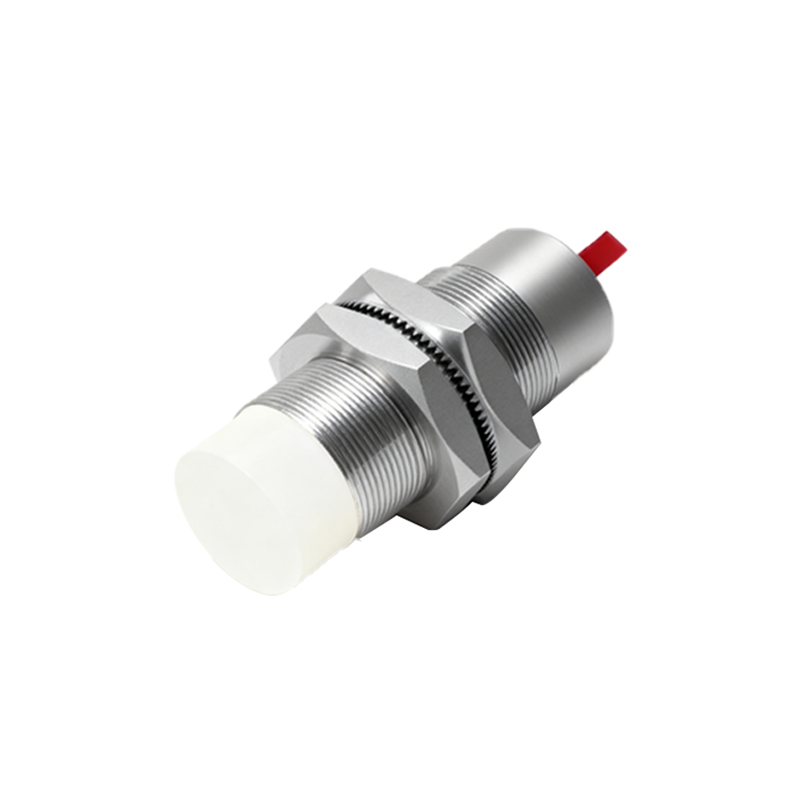
3. Mechanical Factors and Installation Issues: Vibration can cause momentary changes in the gap between the sensor face and the target, or even loosen electrical connections. A sensor mounted on a vibrating machine may work intermittently. Similarly, a sensor that is physically misaligned with its target may only detect it under certain conditions. Checking mounting rigidity, alignment, and ensuring the target meets the required size and material specifications is essential. For inductive sensors, the reduction factor for non-ferrous metals must be considered.
4. Environmental Contaminants: Accumulation of metallic dust, chips, or conductive fluids on the active face of an inductive proximity switch can effectively "shorten" its sensing range or cause it to latch on. Non-conductive dust or oil film on a capacitive sensor's face can inhibit its operation. The intermittency arises as contaminants build up and are occasionally cleared away. Selecting sensors with appropriate IP ratings, using protective baffles, or implementing regular cleaning schedules can mitigate this.
5. Temperature Effects: While industrial sensors are rated for specific temperature ranges, operating at the extreme edges of these ranges can lead to intermittent performance. A sensor might work in a cool environment but fail as the machine or ambient temperature rises, causing internal components to drift or the oscillator circuit in an inductive sensor to behave unpredictably. Ensuring adequate airflow and selecting a sensor with a wider temperature rating than the application requires is prudent.
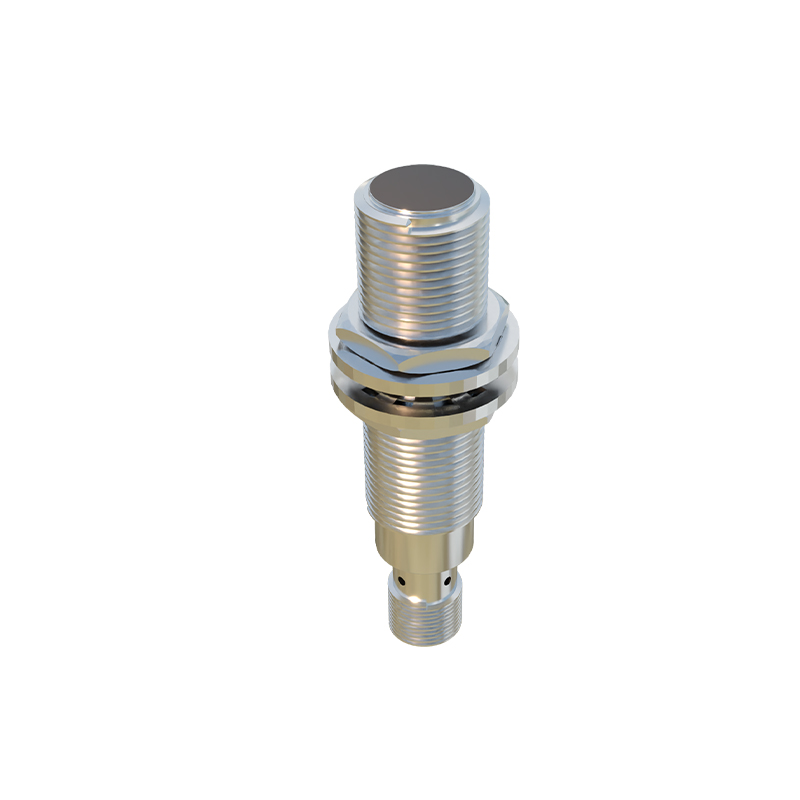
6. Internal Component Degradation: Although less common as a first suspect, intermittent faults can stem from failing internal components like capacitors, solder joints, or the oscillator coil. Thermal cycling or vibration can cause a cracked solder joint to make and break contact. Diagnosing this often requires substitution with a known-good sensor.
Structured Troubleshooting Methodology:
To systematically address an intermittent proximity switch failure, follow a logical process:
Verify the Symptom: Document exactly when the failure occurs. Is it cycle-dependent, time-dependent, or random? Can it be correlated with the operation of another machine?
Inspect Physically: Check for loose connections (both at the sensor and the controller), damaged cables, poor cable routing near noise sources, contamination, and correct target alignment.
Monitor Electrical Signals: Use a multimeter or, ideally, an oscilloscope to monitor the sensor's output and supply voltage during operation. Capture the signal during a failure event. Look for noise, voltage drops, or an unstable output signal.
Simplify and Isolate: Temporarily bypass the machine's control logic by connecting the sensor directly to a pilot lamp or a simple tester. If the