In industrial environments where flammable gases, vapors, mists, or combustible dusts are present, the question of equipment safety is paramount. A common query from engineers and plant managers is: "Are proximity sensors explosion-proof?" The answer is not a simple yes or no, but rather a detailed discussion on certifications, design principles, and proper selection for hazardous locations.
First, it is crucial to clarify the terminology. In technical standards, the term "explosion-proof" has a specific meaning. It refers to an enclosure that can withstand an internal explosion of a specified gas or vapor and prevent the ignition of an external atmosphere. However, this is just one of several protection techniques. The more encompassing term is "Equipment for use in Explosive Atmospheres," governed by rigorous international standards like the IECEx system, ATEX Directive in Europe, and NEC/CEC codes with Class/Division system in North America.
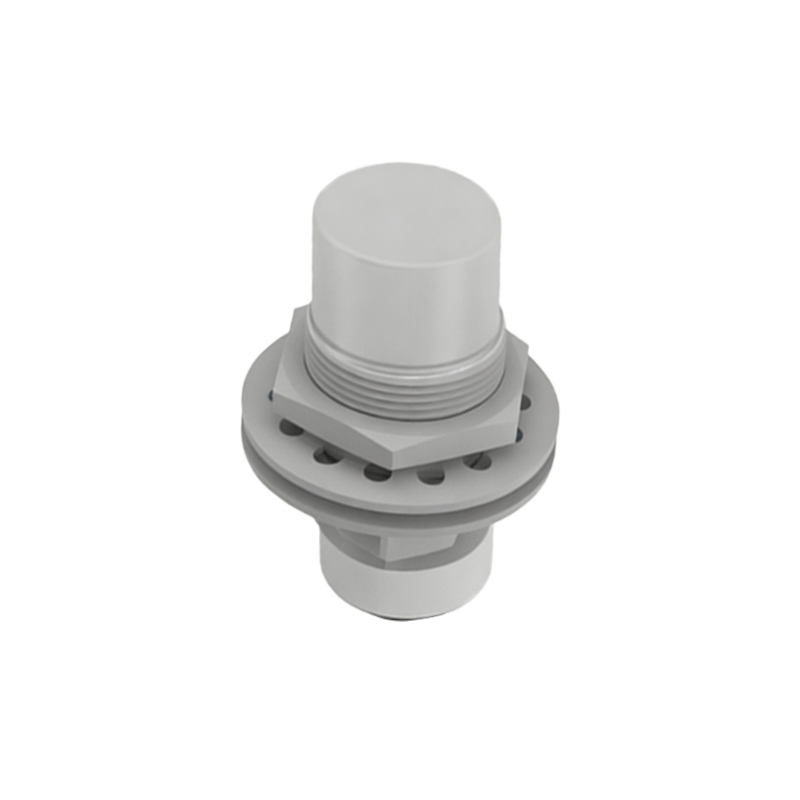
Proximity sensors, including inductive, capacitive, and magnetic types, can indeed be designed and certified for safe operation in these hazardous areas. The key lies in their intrinsic safety or protective housing. There are primary methods:
1. Intrinsic Safety (Ex i): This is often the preferred method for low-power devices like sensors. The design limits the electrical and thermal energy in the circuit to a level below what is required to ignite a specific hazardous atmosphere. An intrinsically safe proximity sensor cannot release sufficient energy to cause ignition, even under fault conditions. It typically requires an associated barrier or isolator installed in a safe area.
2. Flameproof/Explosion-Proof Enclosure (Ex d): As per the classic definition, the sensor is housed in a robust enclosure that can contain an internal explosion. The joints and flanges of the enclosure are machined to such a width and gap that escaping hot gases are cooled below the ignition temperature of the external atmosphere. These sensors are typically heavier and more rugged.
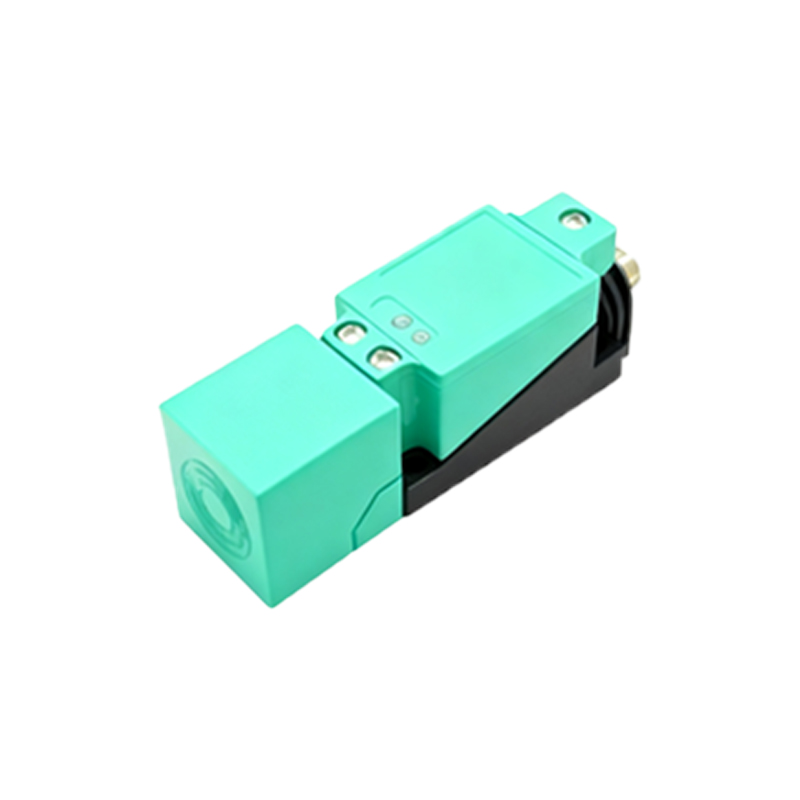
3. Increased Safety (Ex e): This protection focuses on preventing excessively high temperatures and the occurrence of arcs or sparks in normal operation. It involves enhanced insulation, secure connections, and increased creepage distances. It is common for terminal compartments and sensor housings.
4. Encapsulation (Ex m): The potentially ignition-capable components of the sensor are permanently encapsulated in a resin compound to prevent contact with the explosive atmosphere.

5. Protection by Enclosure (Ex t) for Dust: For combustible dust environments, sensors are housed in enclosures that prevent dust ingress and limit surface temperatures.
Selection Criteria and Marking
Selecting the right proximity sensor requires understanding the zone/division and group/class of the hazardous area. A typical certification marking, for example, "II 2G Ex ia IIC T6 Ga," decodes as follows:
II: Equipment for all explosive atmospheres except mining.
2G: Suitable for Zone 2 (occasionally present hazard).
Ex ia: Intrinsic Safety, level 'a' (highest level).
IIC: Gas group (representing the most easily ignited gases like hydrogen).
T6: Temperature class (maximum surface temperature ≤85°C).
Ga: Equipment protection level for Zone 0,1,2.
For North America, a marking like "Class I, Division 1, Groups A, B, C, D; T6" indicates suitability for flammable gas/vapor atmospheres under severe conditions.
Installation and Maintenance Imperatives
Certification alone is not enough. Proper installation according to the manufacturer's instructions and relevant codes (e.g., NEC Article 504 for intrinsic safety) is non-negotiable. This includes using correctly rated cables, glands, and barriers. Maintenance must never compromise the protective integrity of the device. Recalibration or replacement of damaged parts must follow strict procedures to maintain the certification.
In conclusion, standard off-the-shelf proximity sensors are not explosion-proof. However, specifically designed and certified proximity sensors are absolutely available and essential for hazardous area applications. The responsibility falls on the engineering team to correctly specify the sensor with the appropriate protection technique (Ex i, Ex d, etc.) for the specific classified area, ensuring compliance with local regulations and, most importantly, guaranteeing the safety of personnel and facilities. Always consult the sensor's certification documents and involve hazardous area specialists during the design and installation phases.