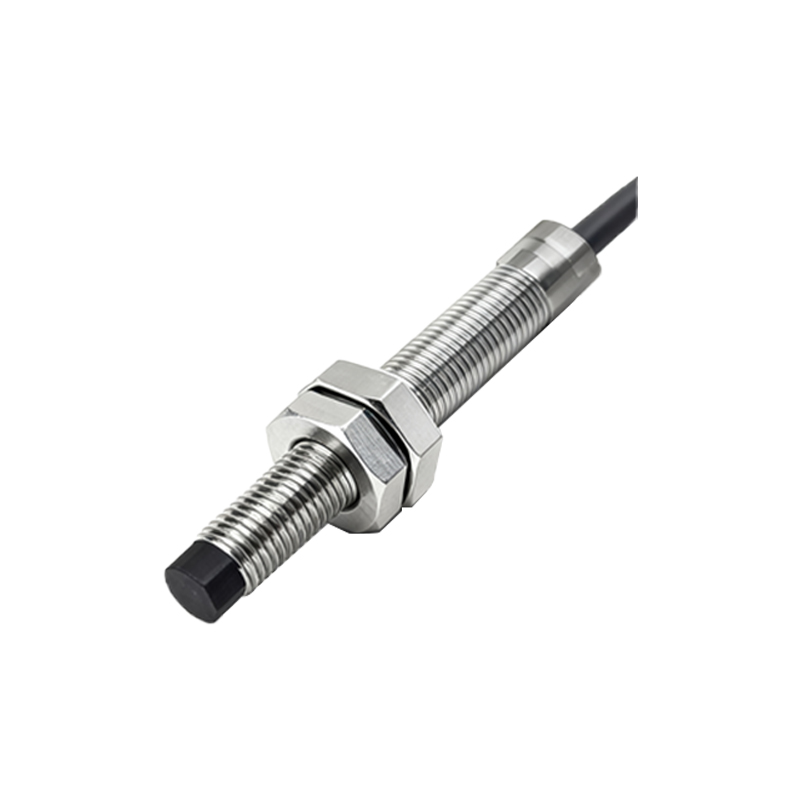
Magnetic proximity sensors are essential components in modern industrial automation, offering reliable non-contact detection of ferromagnetic objects. These sensors operate based on the principle of magnetic field interaction, where a permanent magnet or electromagnet generates a field that is disturbed by the presence of a target, triggering a switch signal. One of the key features of magnetic proximity sensors is their robustness in harsh environments. Unlike optical or capacitive sensors, they are largely unaffected by dust, dirt, moisture, or vibration, making them ideal for heavy-duty applications such as manufacturing lines, automotive assembly, and machinery safety systems. Their sealed construction often meets high IP ratings, ensuring durability in outdoor or washdown conditions.
Another significant characteristic is their long operational life, as they have no moving parts and minimal wear, reducing maintenance needs. Magnetic sensors provide consistent performance across a wide temperature range, typically from -40°C to 85°C or higher, depending on the model. They are available in various forms, including reed switch-based sensors and Hall effect sensors, each with distinct advantages. Reed switches offer simple, low-power operation with high sensitivity, while Hall effect sensors provide precise digital output and faster response times, suitable for speed detection or position control.
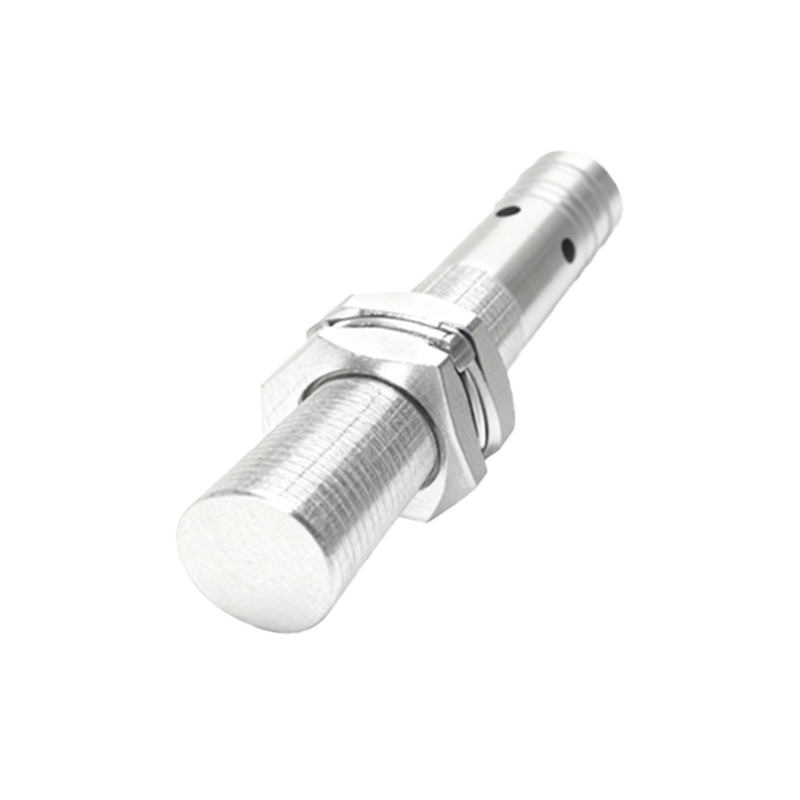
Installation flexibility is a notable benefit, as magnetic proximity sensors can detect targets through non-ferromagnetic materials like plastic, aluminum, or stainless steel, allowing for concealed mounting. This enables creative design solutions in equipment where sensors must be protected from direct exposure. Additionally, they are energy-efficient and compatible with low-voltage circuits, supporting integration into PLCs and control systems without significant power draw.
Despite their advantages, magnetic proximity sensors have limitations, such as sensitivity only to ferrous metals, requiring careful selection for specific materials. Interference from strong external magnetic fields can also affect accuracy, necessitating proper shielding and placement. Overall, their reliability, durability, and adaptability make them a preferred choice in industries prioritizing safety and efficiency, from conveyor belt monitoring to valve position sensing. As technology advances, innovations like programmable sensors and IoT connectivity are enhancing their functionality, driving further adoption in smart factories and automated processes.