In the realm of industrial automation and precise position sensing, the 3-wire Hall effect proximity sensor stands as a cornerstone technology. Unlike mechanical limit switches or inductive sensors, these devices offer non-contact detection of magnetic fields, enabling reliable operation in demanding environments. This article delves into the operational principles, key advantages, typical applications, and critical selection criteria for these essential components.
At its core, a Hall effect sensor operates on the principle discovered by Edwin Hall in 1879. When a current-carrying conductor is placed in a magnetic field, a voltage (the Hall voltage) is generated perpendicular to both the current and the field. A 3-wire Hall effect proximity sensor integrates this sensing element with supporting electronics into a single package. The "3-wire" designation typically refers to the wiring configuration: one wire for DC supply voltage (often labeled Vcc or +Vs), one wire for ground (GND or 0V), and one wire for the output signal. This output is usually a digital switch signal (NPN sinking or PNP sourcing) or, less commonly in proximity versions, an analog voltage proportional to magnetic field strength.
The primary advantage of the 3-wire configuration is its simplicity and compatibility with standard programmable logic controller (PLC) and industrial control inputs. The output provides a clear on/off signal, indicating the presence or absence of a predefined magnetic field from a target, typically a permanent magnet. Key performance benefits include true solid-state reliability with no moving parts, immunity to contact bounce, high switching frequency capabilities (often into the kilohertz range), and the ability to sense through non-ferrous materials. Furthermore, they are unaffected by dust, oil, or other non-conductive contaminants that might plague optical sensors.
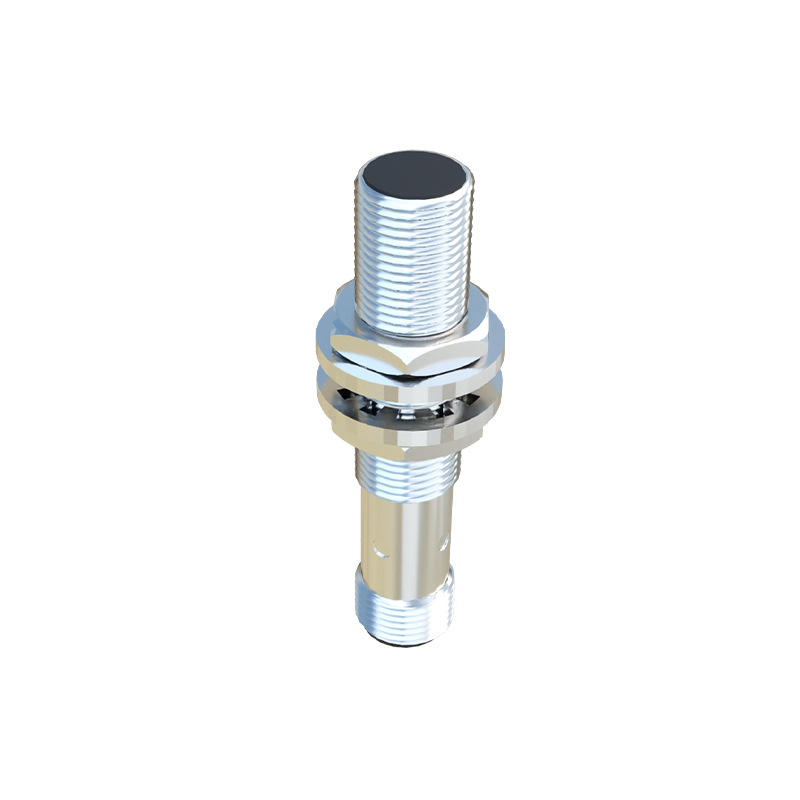
Typical applications for 3-wire Hall effect proximity sensors are vast across factory floors. They are indispensable for:
Rotary Encoding and Speed Sensing: Detecting magnets embedded in motor shafts, gear teeth, or pulleys to monitor RPM or rotational position.
Linear Position Detection: Sensing the position of cylinders in pneumatic or hydraulic systems by detecting a magnet in the piston.
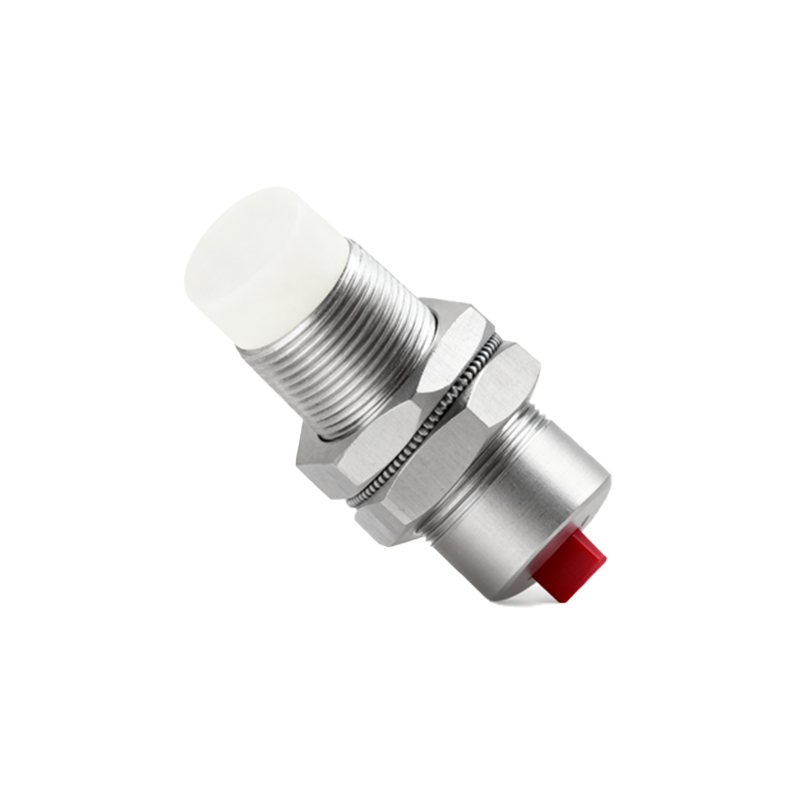
Limit Switching: Providing end-of-travel detection for moving parts without physical contact, eliminating wear.
Safety Interlocks: Verifying the closed position of guarded doors or panels in machinery.

Ferrous Metal Detection (with bias magnet): While pure Hall sensors detect magnetic fields, many proximity versions incorporate a built-in bias magnet. This allows them to detect the presence of ferrous (iron or steel) targets by the disturbance they cause in the sensor's own magnetic field.
Selecting the right 3-wire Hall effect sensor requires careful consideration of several parameters:
1. Supply Voltage: Match the sensor's operating voltage range (e.g., 5-24V DC) with the available system power.
2. Output Type and Current Rating: Choose between NPN (sinking) or PNP (sourcing) outputs based on the PLC input module's requirements. Ensure the output's current rating is sufficient for the load.
3. Switching Distance: The rated sensing distance (Sn) for a specified target magnet. Account for installation tolerances and environmental factors.
4. Electrical Connection: Options include pre-wired cables, quick-disconnect plugs, or terminal housings.
5. Housing Material and Protection Rating: Metal or polymer housings offer different mechanical strengths. Ingress Protection (IP) ratings (e.g., IP67) are crucial for dusty or wet environments.
6. Temperature Range: Ensure the sensor's specified operational temperature range suits the application environment.
Installation and wiring are straightforward but demand attention. The sensor must be positioned within its specified switching distance from the target magnet, noting that the sensing direction is typically from the front face. Magnetic shielding from stray fields and the use of the correct magnet (size, strength, and orientation) are critical for reliable operation. For electrical noise immunity in industrial settings, using shielded cable and maintaining proper grounding practices is recommended.
In conclusion, the 3-wire Hall effect proximity sensor is a versatile, robust, and highly reliable solution for non-contact position and presence sensing. Its integration of the Hall effect with a simplified three-wire interface makes it a preferred choice for engineers designing modern automated systems. By understanding its operating principles and meticulously matching its specifications to the application requirements, designers can ensure long-term, maintenance-free performance in even the most challenging industrial conditions.