In the demanding landscape of modern industrial automation, the 305 high-speed machine stands as a pinnacle of efficiency and precision. At the heart of its operational reliability lies a critical component: the proximity switch sensor. These non-contact sensing devices are indispensable for ensuring accurate position detection, speed monitoring, and safety interlocking in high-velocity applications. This article delves into the technical specifications, operational principles, and best-practice applications of proximity sensors specifically engineered for the rigorous environment of 305-series high-speed machinery.
Proximity sensors, in essence, detect the presence or absence of a target object without physical contact. For high-speed machines like the 305 models, this non-contact nature is paramount. It eliminates mechanical wear, reduces maintenance downtime, and provides exceptionally fast response times—often in the microsecond range. The most common technology deployed in these settings is the inductive proximity sensor. These sensors generate an electromagnetic field. When a metallic target (typically the machine's actuator, cam, or a dedicated flag) enters this field, it induces eddy currents that dampen the oscillator's amplitude. This change is detected by the sensor's circuitry, triggering a solid-state output signal. For 305 machines processing or handling non-metallic materials, capacitive or ultrasonic proximity sensors may be employed, though inductive types remain the industry standard for metal detection due to their robustness and immunity to environmental contaminants like coolant, oil, and dust.
The selection criteria for a proximity switch in a 305 high-speed machine are stringent. Key parameters include:
Switching Frequency: This defines how many on/off cycles per second the sensor can handle. For a machine operating at several thousand cycles per minute, a sensor with a high switching frequency (e.g., 5 kHz or above) is non-negotiable to avoid missed counts or signal lag.
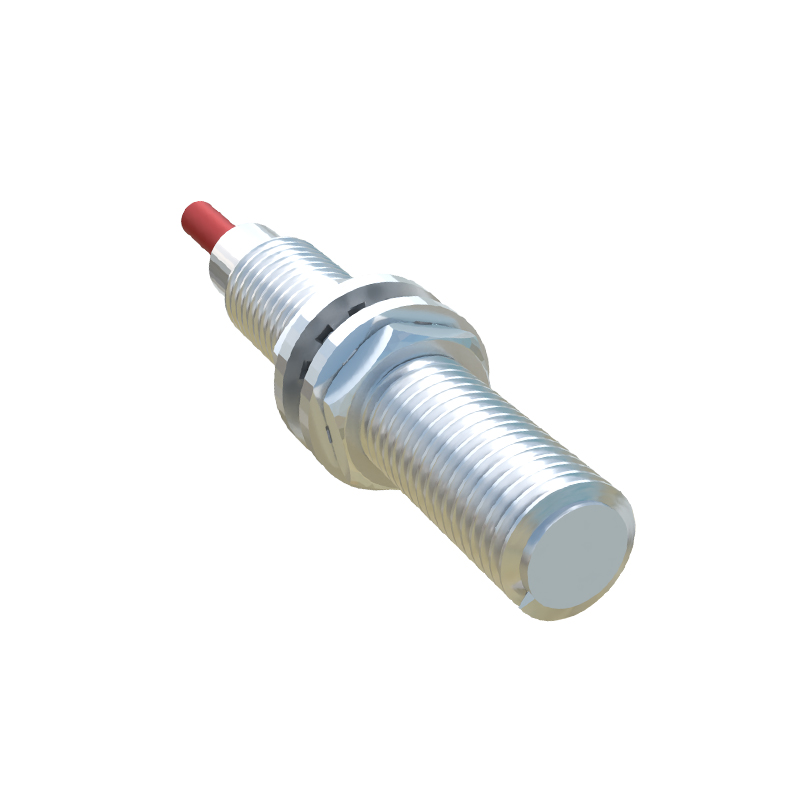
Sensing Distance: The nominal sensing distance must be carefully chosen to ensure reliable detection while preventing accidental triggering from nearby non-target objects. Factors like target material, size, and temperature can affect the actual sensing range.
Environmental Robustness: Sensors must be housed in rugged, often stainless-steel or nickel-plated brass bodies with IP67, IP68, or IP69K ratings. This ensures protection against high-pressure washdowns, chips, and the significant vibrations inherent to high-speed operation.
Output Type: PNP (sourcing) or NPN (sinking) transistor outputs are standard, interfacing directly with the machine's Programmable Logic Controller (PLC). Some models offer analog outputs (4-20 mA or 0-10V) for distance-proportional measurement.
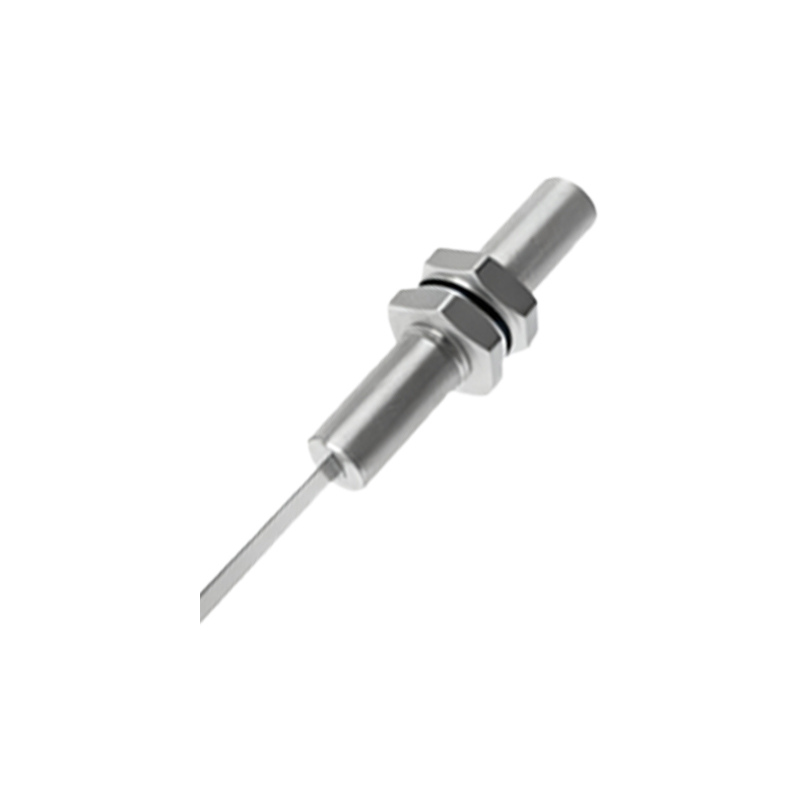
Temperature Stability: The sensor must maintain consistent performance across the operational temperature range of the machine, which can vary significantly.
Integration of these sensors is critical for multiple functions on a 305 high-speed machine. Primary applications include:
1. Position Verification: Confirming the end-of-travel for linear actuators or the angular position of a rotating shaft. This ensures tools or workpieces are correctly positioned before the next machining or assembly step.
2. Speed and Synchronization Monitoring: By detecting teeth on a gear or marks on a rotating drum, proximity sensors provide pulse trains used to calculate rotational speed and synchronize multiple axes of motion, which is crucial for precision in processes like filling, packaging, or cutting.
3. Part Presence/Absence Detection: Verifying that a component is present on a conveyor or correctly seated in a fixture before a high-speed operation commences, preventing costly jams or defective products.
4. Safety Interlocking: Acting as a non-contact limit switch to create safety zones or confirm that guarding is in place, helping to meet machine safety standards (e.g., ISO 13849).
To maximize the lifespan and accuracy of proximity sensors on 305 equipment, adherence to installation and maintenance protocols is essential. Sensors should be mounted securely to minimize vibration-induced misalignment. A minimum distance must be maintained between multiple sensors to prevent mutual interference (cross-talk). Regular checks for accumulated metallic debris on the sensor face are necessary, as this can reduce the effective sensing range. Furthermore, electrical noise from variable frequency drives (VFDs) or high-current solenoids common in such machinery should be mitigated through proper shielding, grounding, and the use of sensors with built-in noise immunity.
In conclusion, the proximity switch sensor is far more than a simple switch in the context of a 305 high-speed machine. It is a precision instrument that directly contributes to throughput, quality, and operational safety. Selecting the correct sensor based on technical merit, integrating it with precision, and maintaining it with diligence are fundamental engineering responsibilities. As 305 machines continue to evolve towards higher speeds and smarter, more connected operations (Industry 4.0), the role of advanced, IO