Motor proximity switch sensors are critical components in industrial automation, widely used for position detection, speed monitoring, and object counting in machinery and production lines. These sensors operate on the principle of electromagnetic induction or capacitive coupling to detect the presence or absence of metallic or non-metallic objects without physical contact. Despite their robust design, they are prone to various faults that can disrupt operations. Understanding common issues and implementing effective troubleshooting steps is essential for maintaining system reliability.
One frequent fault is false triggering or no detection. This occurs when the sensor incorrectly signals the presence of an object or fails to detect it altogether. Causes include misalignment between the sensor and target, accumulation of dust or debris on the sensing face, or interference from nearby electromagnetic sources such as motors or power lines. To resolve this, ensure proper alignment within the specified sensing range, clean the sensor surface regularly, and install shielding or relocate the sensor away from interference sources. Additionally, check for voltage fluctuations in the power supply, as unstable voltage can lead to erratic behavior.
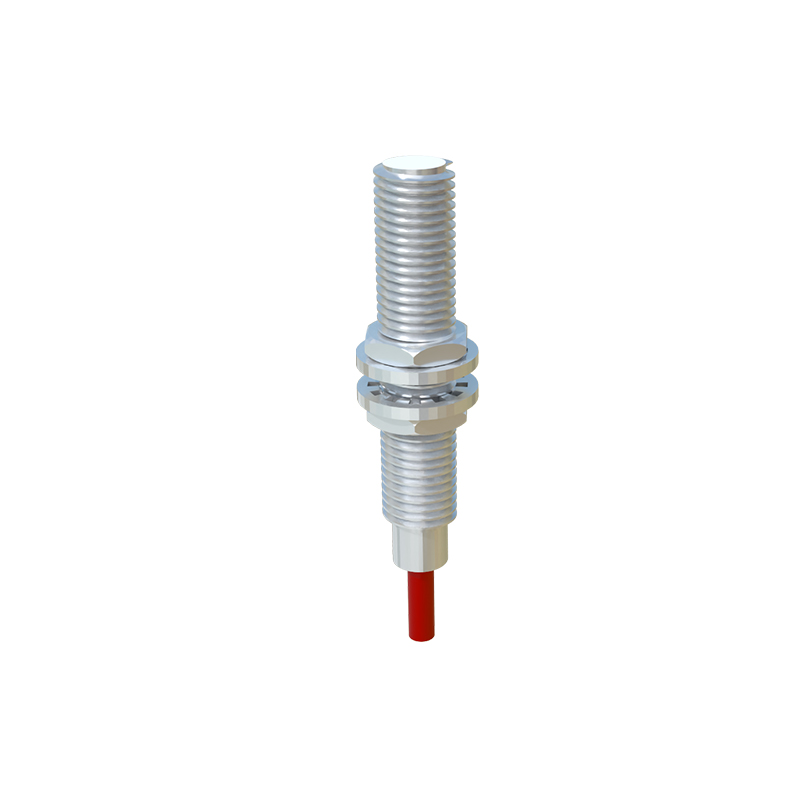
Another common issue is sensor output failure, where the sensor does not generate a signal even when an object is within range. This can result from internal component damage, such as burnt-out circuits due to overcurrent or short circuits. Inspect the wiring connections for loose or corroded terminals, and verify that the load current does not exceed the sensor’s rated capacity. Using a multimeter, test the output voltage or current to confirm functionality. If the sensor is damaged, replacement is often necessary, as repairs may not be cost-effective.
Environmental factors also contribute to sensor faults. Exposure to extreme temperatures, moisture, or corrosive chemicals can degrade sensor performance. For instance, high temperatures may cause thermal drift, altering the sensing distance, while humidity can lead to condensation and electrical shorts. Select sensors with appropriate IP ratings for the operating environment—such as IP67 for dust and water resistance—and install protective enclosures if needed. Regular maintenance, including inspections for environmental damage, can prevent premature failure.
Wear and tear over time is inevitable, especially in high-cycle applications. Mechanical stress from vibration or impact can loosen mounting brackets or damage internal components. Monitor for physical signs of wear, such as cracks or deformation, and tighten mounting hardware periodically. Consider using sensors with reinforced housings in harsh conditions. Additionally, firmware or calibration issues in programmable sensors might cause malfunctions; refer to the manufacturer’s manual for recalibration procedures or software updates.
In summary, proactive maintenance and systematic troubleshooting are key to minimizing downtime caused by motor proximity switch sensor faults. Start by reviewing the sensor datasheet for specifications, then perform visual inspections, electrical tests, and environmental assessments. Documenting fault patterns can aid in predictive maintenance, reducing future failures. By addressing common issues like false triggering, output failure, environmental damage, and wear, engineers can ensure optimal sensor performance and enhance overall system efficiency in industrial settings.