In the realm of industrial automation and electrical control systems, the proximity switch sensor stands as a cornerstone technology, enabling non-contact detection of objects with remarkable precision and reliability. As an electrical engineer, a deep understanding of these devices is paramount for designing robust and efficient systems. This article delves into the operational principles, types, key specifications, and practical application considerations of transistor-based proximity switch sensors.
At its core, a proximity switch sensor is a solid-state electronic device that detects the presence or absence of a target object without physical contact. The transistor, acting as the fundamental switching element, is triggered by a sensing mechanism, typically inductive, capacitive, or photoelectric. In the context of this discussion, we focus primarily on inductive proximity sensors, which are among the most common in industrial settings. These sensors generate an electromagnetic field. When a metallic target enters this field, eddy currents are induced in the target, causing a change in the oscillation amplitude within the sensor's coil. This change is detected by the internal circuitry, which then switches the state of the output transistor—either turning it ON (saturated) or OFF (cut-off).
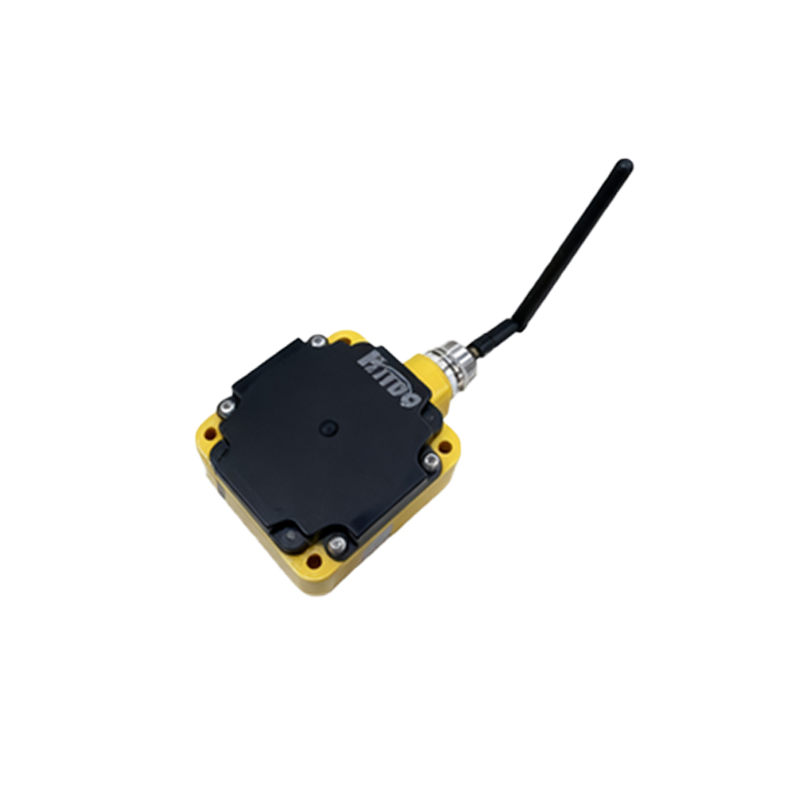
The output configuration is a critical aspect. Transistor outputs in proximity sensors are predominantly of two types: NPN (sinking) and PNP (sourcing). An NPN transistor output switches the negative (0V) line to the load, while a PNP switches the positive voltage line. The choice between NPN and PNP is fundamentally tied to the prevailing control system architecture and the type of programmable logic controller (PLC) input card being used. Misunderstanding this can lead to incorrect wiring and system failure. Furthermore, outputs can be 2-wire, 3-wire, or 4-wire, with 3-wire DC sensors being the most prevalent, offering separate connections for power supply, ground, and output signal.
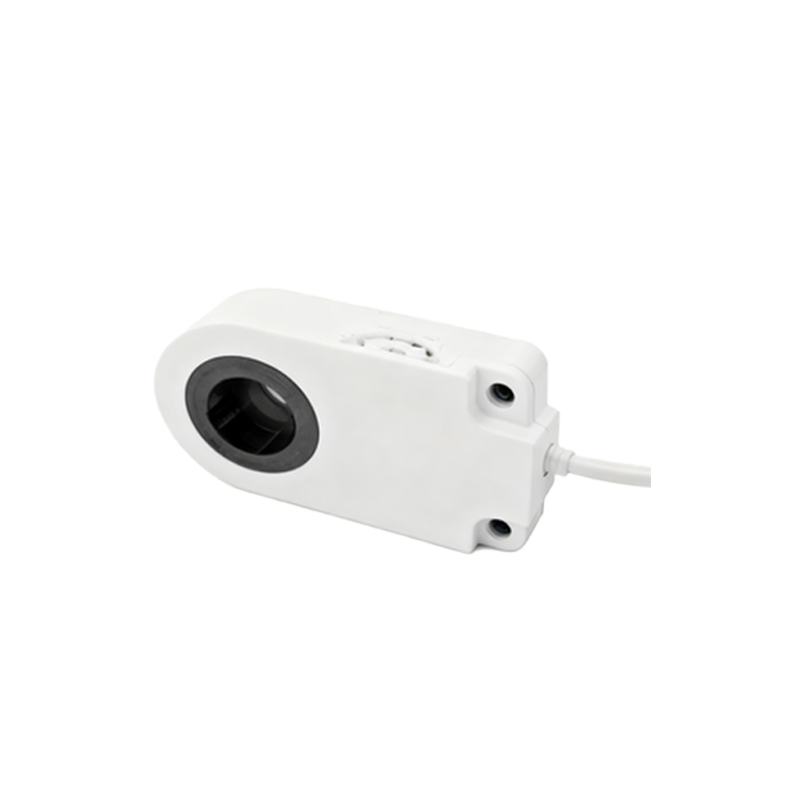
Key performance specifications demand careful scrutiny during selection. The sensing distance, or nominal range (Sn), is specified for a standard target (usually mild steel). Factors like target material, size, and shape can affect the actual sensing distance. Switching frequency defines how quickly the sensor can respond to targets passing by, a vital parameter for high-speed counting or positioning applications. Hysteresis is the difference between the switch-on and switch-off points, providing noise immunity and preventing chatter when a target is at the borderline of the sensing range. Environmental ratings, notably the Ingress Protection (IP) code for dust and water resistance and temperature range, are non-negotiable for ensuring longevity in harsh industrial environments.
The advantages of transistor-based proximity sensors over mechanical limit switches are substantial. They offer a virtually infinite operational life due to the absence of moving parts that wear out. Their high switching speeds and repeatability enable precise control. Being sealed units, they perform reliably in contaminated environments filled with oil, coolant, or dust. However, engineers must be mindful of their limitations. Inductive sensors only detect metals, and their effective range is relatively short. They can be susceptible to electrical noise from nearby motors or frequency drives, necessitating proper shielding, grounding, and sometimes the use of shielded cables.
Practical application wisdom is gained through experience. Always ensure the sensor is rated for the supply voltage of your system. Pay close attention to the mounting conditions; flush-mounted sensors have reduced sensing ranges compared to non-flush types. For sensing non-ferrous metals like aluminum or copper, the effective sensing distance is less than that for steel, often requiring a correction factor. When installing multiple sensors in close proximity, maintain adequate separation distances to prevent mutual interference, a phenomenon known as "crosstalk." Finally, always consult the manufacturer's datasheet—it is the ultimate source of truth for electrical characteristics, connection diagrams, and environmental limits.

In conclusion, the transistor proximity switch sensor is a sophisticated yet essential component in modern electrical engineering. Its correct selection, installation, and integration are critical for achieving system reliability, safety, and performance. By mastering the underlying principles and practical nuances outlined here, engineers can confidently leverage these sensors to build smarter, more responsive, and more durable automated systems.