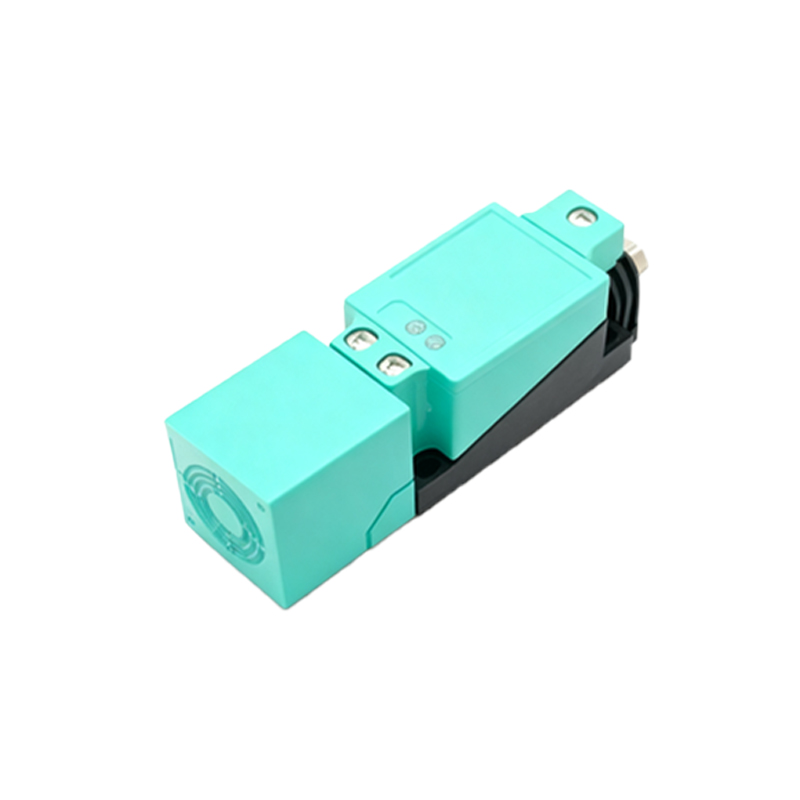
Photoelectric proximity sensors have become indispensable components in modern industrial automation, offering non-contact detection capabilities that enhance efficiency, reliability, and safety across diverse applications. These sensors operate by emitting a beam of light—typically infrared, visible red, or laser—and detecting changes in the received light signal caused by the presence or absence of a target object. Unlike mechanical switches or inductive sensors, photoelectric sensors can detect a wide variety of materials, including glass, plastic, metal, and liquids, making them exceptionally versatile.
In manufacturing and packaging lines, photoelectric sensors are extensively used for object detection, counting, and positioning. For instance, in conveyor systems, through-beam sensors (consisting of separate emitter and receiver units) ensure precise detection of products as they pass along the line, triggering subsequent actions like sorting, labeling, or robotic pick-and-place operations. Diffuse reflective sensors, which integrate the emitter and receiver in a single housing, are commonly employed for detecting objects at close range, such as verifying the presence of items in containers or on assembly platforms. Their ability to function without physical contact eliminates wear and tear, reducing maintenance needs and downtime.
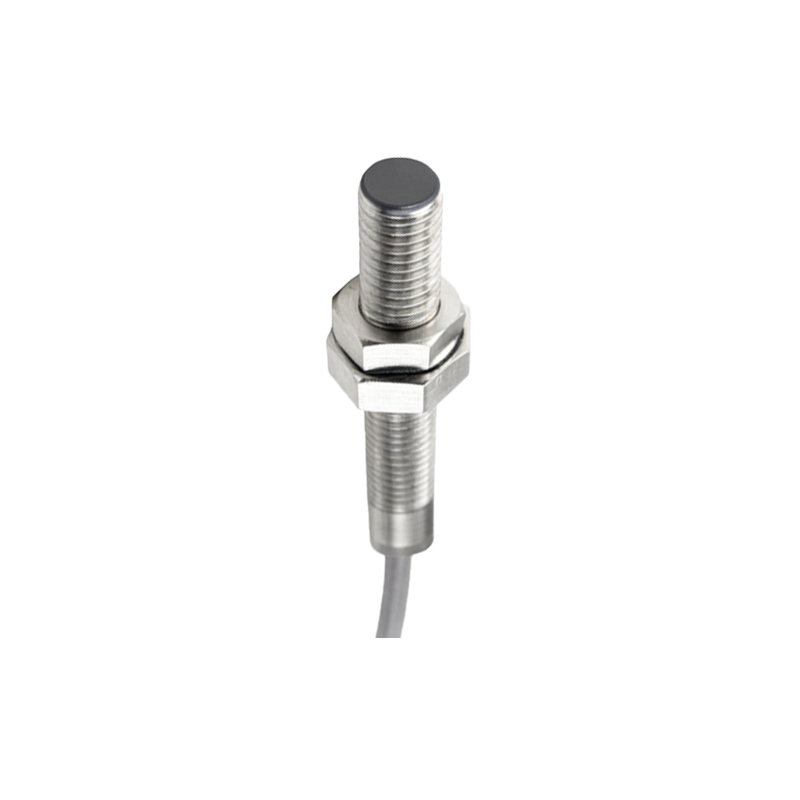
Another critical application is in material handling and logistics, where sensors facilitate automated guided vehicles (AGVs) and warehouse management systems. Retro-reflective sensors, which use a reflector to bounce light back to the receiver, enable long-range detection in environments like storage aisles, helping AGVs navigate and avoid collisions. Additionally, background suppression sensors are utilized to ignore distant objects or surfaces, ensuring accurate detection only within a specified range—ideal for monitoring stack heights or pallet positioning.
The food and beverage industry benefits from photoelectric sensors due to their hygiene and durability. Stainless-steel housings and IP-rated enclosures allow these sensors to withstand harsh washdowns, extreme temperatures, and corrosive substances. They are instrumental in detecting fill levels in bottles, verifying seal integrity on packages, and ensuring proper alignment of labels. In pharmaceutical manufacturing, sensors with high-precision laser beams assist in inspecting tablet counts or verifying capsule placement in blister packs, maintaining stringent quality control standards.
Advancements in sensor technology have further expanded their utility. Modern photoelectric sensors now incorporate features like IO-Link communication, enabling real-time data exchange and remote configuration for Industry 4.0 applications. Smart sensors with diagnostic capabilities can monitor lens contamination or alignment issues, alerting operators before failures occur. Furthermore, the development of miniaturized sensors allows integration into compact machinery, such as semiconductor fabrication equipment or medical devices, where space is limited.
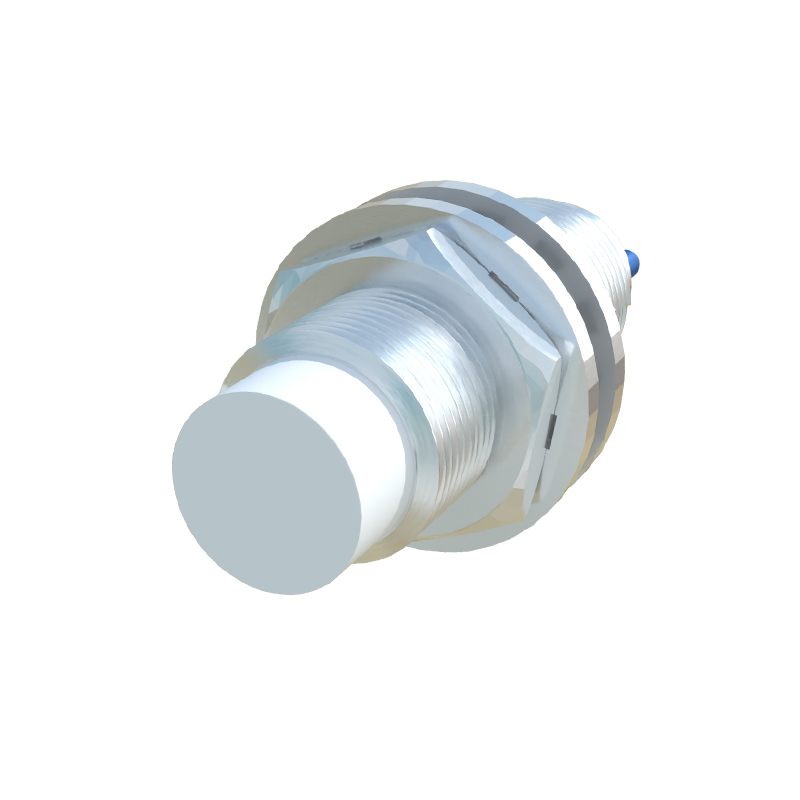
Environmental adaptability remains a key strength. Sensors with polarized filters can reliably detect shiny or reflective objects by reducing false triggers from glare. In outdoor or high-ambient-light settings, modulated light signals (often at specific frequencies) help distinguish sensor beams from background illumination, ensuring stable operation. For challenging conditions like dusty or foggy atmospheres, sensors with robust housings and enhanced signal processing maintain consistent performance.
Despite their advantages, selecting the appropriate photoelectric sensor requires careful consideration of factors such as sensing range, response time, environmental conditions, and target material properties. Through-beam sensors offer the longest range and highest reliability but require precise alignment. Diffuse sensors simplify installation but may be affected by object color or reflectivity. Retro-reflective models provide a balance but can be disrupted by reflective interferences. Understanding these nuances is essential for optimizing system design.
In conclusion, photoelectric proximity sensors are pivotal in driving automation forward, offering precision, flexibility, and durability. As industries embrace smarter, more connected systems, these sensors will continue to evolve, integrating advanced functionalities to meet emerging demands. From basic presence detection to complex logistical coordination, their role in enhancing productivity and safety underscores their enduring value in the electrical and automation engineering landscape.