In industrial automation, process control, and harsh environment applications, the reliability of sensing components directly determines system uptime and operational safety. Among various sensor technologies, proximity sensors stand out for their non-contact detection capabilities. However, conventional proximity sensors often falter when subjected to extreme temperature fluctuations. This is where wide temperature proximity sensors emerge as a critical engineering solution, specifically designed to maintain precise and stable performance across a broad thermal spectrum, typically from -40°C to +100°C or even wider ranges.
The core challenge in designing wide temperature proximity sensors lies in compensating for the thermal drift of electronic components and materials. Key elements such as the oscillator coil, amplifier circuitry, and output stage must be carefully selected and calibrated. Manufacturers utilize components with low temperature coefficients and implement advanced compensation algorithms within the sensor's integrated circuitry. The housing and sensing face are constructed from materials like PPS (Polyphenylene Sulfide) or specially formulated thermoplastics that retain their mechanical and dielectric properties under thermal stress. Sealing techniques, often involving laser welding or high-grade epoxy, are paramount to prevent ingress of contaminants and to withstand the expansion and contraction cycles without failure.
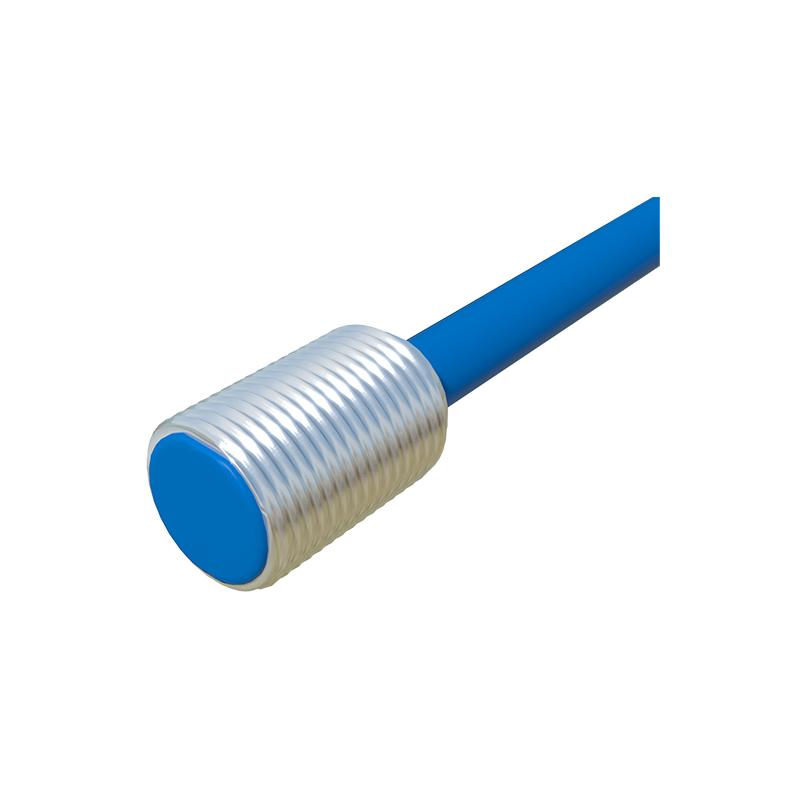
From an application perspective, these sensors are indispensable in several demanding sectors. In automotive manufacturing, they operate reliably in paint shop ovens and near welding stations. In the food and beverage industry, they withstand the steam and high temperatures of sterilization processes. Metal foundries and die-casting facilities employ them for mold positioning and molten metal level detection, where ambient temperatures are exceptionally high. Conversely, in cold storage logistics or outdoor applications in arctic climates, they must activate instantly and consistently without icing or condensation-related errors. The output types—be it NPN, PNP, analog, or IO-Link—are also engineered for thermal stability, ensuring signal integrity is not compromised.
Selecting the appropriate wide temperature sensor requires a detailed analysis of the operating environment. Engineers must consider not just the nominal temperature range but also the rate of temperature change, potential thermal cycling, and the presence of other environmental factors like humidity, chemicals, or vibration. The sensing distance, typically specified at room temperature, may have a derating factor applied at extremes, which must be accounted for in mechanical design. Regular maintenance checks, though less frequent due to their ruggedness, should include verification of sensing distance and output signal under actual operating temperatures.
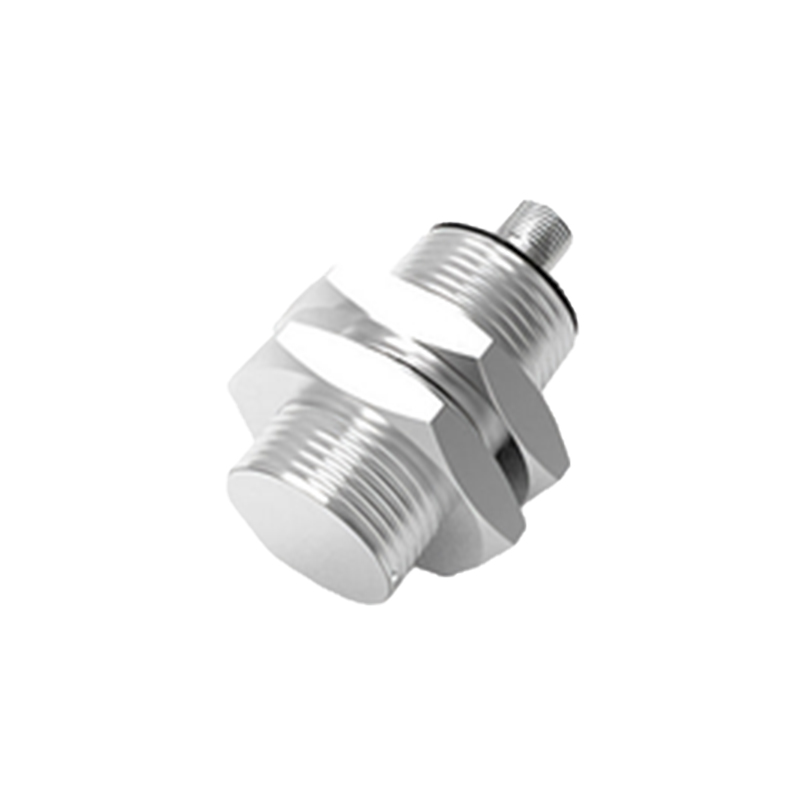
Future advancements are focused on extending the operational range even further and enhancing intelligence. The integration of onboard diagnostics that can report sensor health and ambient temperature is becoming more common. Furthermore, the use of more exotic materials and advanced ASIC (Application-Specific Integrated Circuit) designs promises sensors that can function reliably in temperatures approaching 200°C or down to -60°C, opening new possibilities in aerospace, deep-earth drilling, and advanced energy systems. In conclusion, wide temperature proximity sensors represent a sophisticated fusion of materials science, electronic engineering, and practical application knowledge, providing the resilience needed for the automation of tomorrow's most challenging industrial processes.