In the intricate world of industrial automation and smart systems, the silent, unwavering performance of components often dictates overall success. Among these, the reliable magnetic proximity sensor stands as a cornerstone technology, enabling precise, non-contact detection in some of the most demanding environments. Unlike their optical or capacitive counterparts, these sensors operate on a fundamental principle: they detect the presence or absence of a magnetic field, typically generated by a permanent magnet. This simple yet robust mechanism is the source of their exceptional reliability.
The core of a magnetic proximity sensor is often a reed switch or, in more modern iterations, a Hall-effect or magnetoresistive element. When a magnetic field of sufficient strength enters the sensor's detection range, it triggers a state change—either closing or opening an electrical circuit. This action sends a clear, binary signal to a control system, indicating the position of a machine part, the end of a linear stroke, the opening of a door, or the rotation of a gear. The absence of physical contact between the sensor and the target magnet is the critical advantage. There is no mechanical wear, no need for lubrication, and no risk of contamination from dust, oil, or coolant mist. This inherent toughness makes them ideal for harsh settings like automotive assembly lines, hydraulic machinery, agricultural equipment, and outdoor applications where dirt, moisture, and temperature extremes are constant challenges.
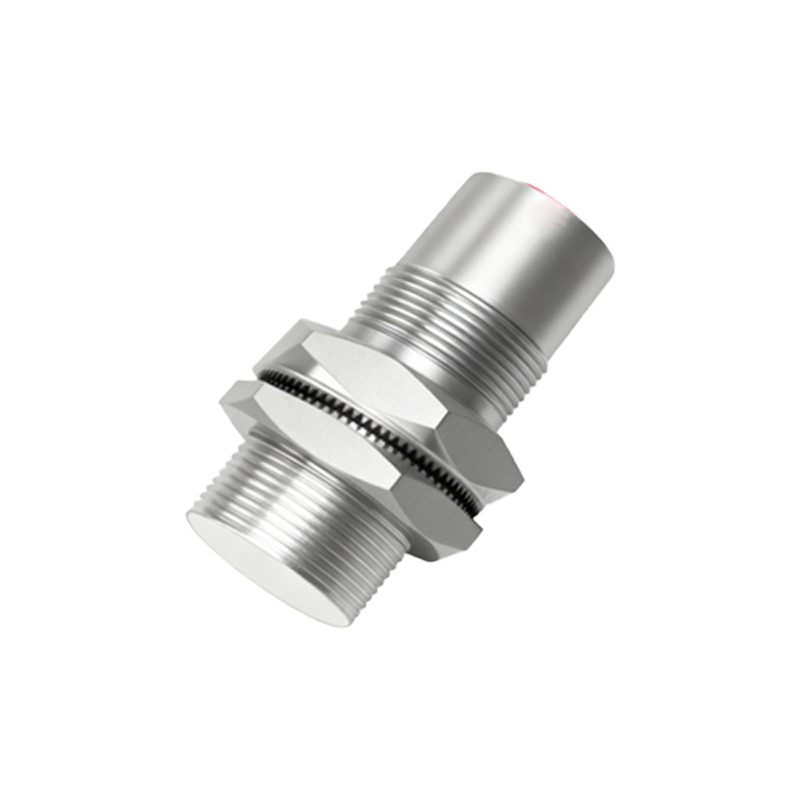
Reliability in this context is a multi-faceted promise. It encompasses long-term operational stability, consistent switching accuracy, and resilience against environmental interference. High-quality magnetic proximity sensors are engineered to deliver just that. They are typically housed in rugged, sealed casings made from materials like stainless steel, brass, or PBT plastic, offering high degrees of ingress protection (IP ratings). This sealing guards the sensitive internal electronics from humidity, water jets, and particulate matter. Furthermore, they are designed to be immune to common electrical noise found in industrial plants, ensuring signal integrity is maintained even when surrounded by motors, welders, and variable-frequency drives.
The application spectrum for reliable magnetic proximity sensors is vast. In factory automation, they are the preferred choice for end-of-travel detection on cylinders and linear actuators. Their repeatability ensures machines stop or start at the exact same point every cycle, which is crucial for product quality and process consistency. In the automotive sector, they monitor seat belt latches, gearbox positions, and brake pedal travel, contributing directly to vehicle safety and functionality. Beyond heavy industry, they are found in everyday life—in home security systems for door and window monitoring, in elevators for floor positioning, and in consumer appliances like washing machines to detect lid closure.
Selecting the right sensor for a specific duty requires careful consideration of several parameters. The sensing distance, or switching distance, must be appropriate for the application, with a safety margin to account for mechanical tolerances and alignment shifts over time. The type of output (e.g., PNP, NPN, analog, or IO-Link) must be compatible with the host controller. Operating voltage range, temperature tolerance, and the required switching frequency are also critical. Perhaps most importantly, the sensor must be matched with a suitable magnet. The magnet's strength, size, and orientation directly impact the sensor's performance and effective range.
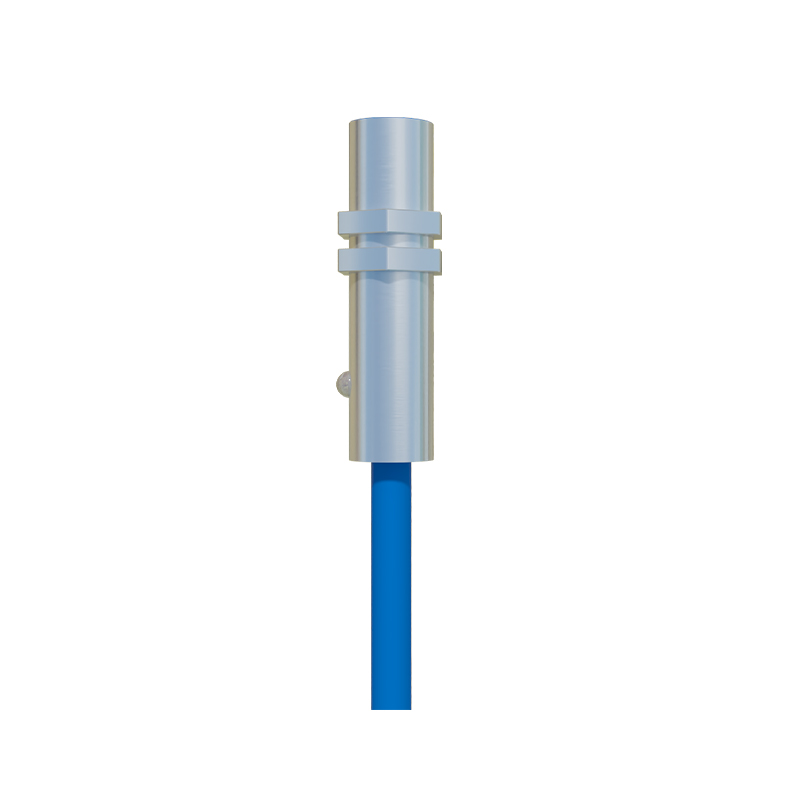
Installation and maintenance, while minimal, are not to be overlooked. Proper mounting, secure against vibration, and correct alignment with the target magnet are essential for optimal performance. The good news is that once correctly installed, a high-quality magnetic proximity sensor can operate for millions of cycles with virtually no attention, providing a low total cost of ownership over its lifespan.
In conclusion, the value of a reliable magnetic proximity sensor lies in its elegant simplicity and engineered durability. It is a workhorse component that performs a vital function without fanfare. By providing a contactless, wear-free method of position detection, it enhances machine safety, boosts production efficiency, and reduces downtime. As industries continue to push for greater automation, connectivity, and resilience, the demand for sensors that offer unwavering reliability in the face of physical and electrical challenges will only grow. The magnetic proximity sensor, with its proven technology and continuous advancements in materials and electronics, is perfectly positioned to meet that demand, remaining a trusted and indispensable element in the automated world.