In the rapidly evolving landscape of industrial automation, precision and reliability are paramount. Infrared proximity sensors have emerged as a cornerstone technology, enabling non-contact detection and measurement across diverse applications. As a specialized provider in this field, our expertise centers on delivering high-performance sensor solutions tailored to meet the rigorous demands of modern manufacturing, robotics, and safety systems.
Infrared proximity sensors operate by emitting an infrared light beam and detecting its reflection from a target object. This principle allows for accurate distance measurement, object presence detection, and even material differentiation without physical contact. Key advantages include immunity to ambient light interference, robust performance in harsh environments, and minimal maintenance requirements. Industries such as automotive assembly, packaging, and material handling rely on these sensors for tasks ranging from precise positioning to collision avoidance.
Our product portfolio encompasses a wide array of infrared sensors, including diffuse reflective, retro-reflective, and through-beam models. Each type is engineered for specific operational contexts. For instance, diffuse sensors are ideal for detecting objects at close range, while through-beam sensors offer extended detection distances for large-scale applications. Advanced features such as adjustable sensing ranges, temperature compensation, and IO-Link connectivity ensure seamless integration into smart factory ecosystems.
Selecting the appropriate infrared proximity sensor involves careful consideration of factors like detection range, response time, environmental conditions, and target material properties. Our technical team provides comprehensive support, from initial consultation to installation and calibration, ensuring optimal system performance. Case studies demonstrate how our sensors have enhanced efficiency in automated guided vehicles (AGVs), conveyor belt monitoring, and robotic welding cells, reducing downtime and improving safety.
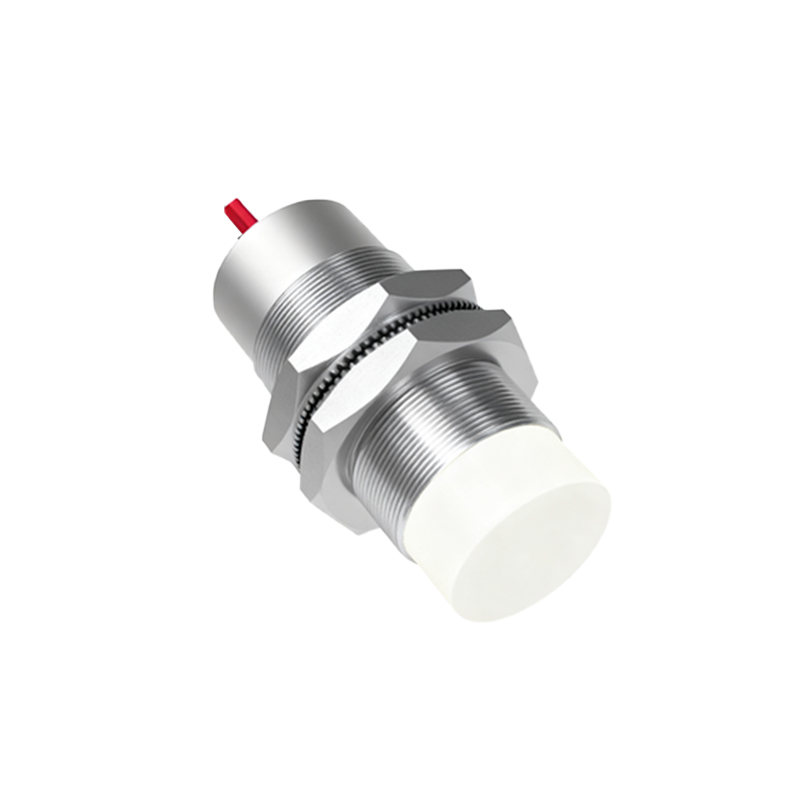
Looking ahead, innovations in infrared sensor technology continue to drive progress. Enhanced signal processing algorithms, miniaturized designs, and IoT-enabled capabilities are expanding the horizons of industrial automation. By partnering with a dedicated infrared proximity sensor specialist, businesses can leverage cutting-edge solutions to achieve greater operational agility and competitiveness in a dynamic market.
In summary, infrared proximity sensors are indispensable tools for modern industrial operations. Their versatility, durability, and precision make them a vital component in automation strategies aimed at boosting productivity and ensuring workplace safety.