In the vast and intricate world of industrial automation and electrical engineering, the terms "proximity switch" and "sensor" are frequently encountered. While they are often used interchangeably in casual conversation, this can lead to significant confusion regarding their specific functions, operational principles, and applications. A precise understanding of these components is crucial for engineers, technicians, and procurement specialists to ensure correct selection, integration, and troubleshooting within a control system. Fundamentally, the relationship between a proximity switch and a sensor is one of categorization: all proximity switches are sensors, but not all sensors are proximity switches.
A sensor is a broad, umbrella term for any device that detects or measures a physical property and records, indicates, or otherwise responds to it. Sensors convert a physical phenomenon—such as light, heat, motion, pressure, or the presence of an object—into an electrical signal that can be read by an instrument or a controller like a PLC (Programmable Logic Controller). The universe of sensors is immense, including thermocouples for temperature, photoelectric cells for light, pressure transducers, flow meters, and accelerometers, to name just a few. Their output signals can be analog (a continuous range, like 4-20mA or 0-10V) or digital (discrete on/off signals).
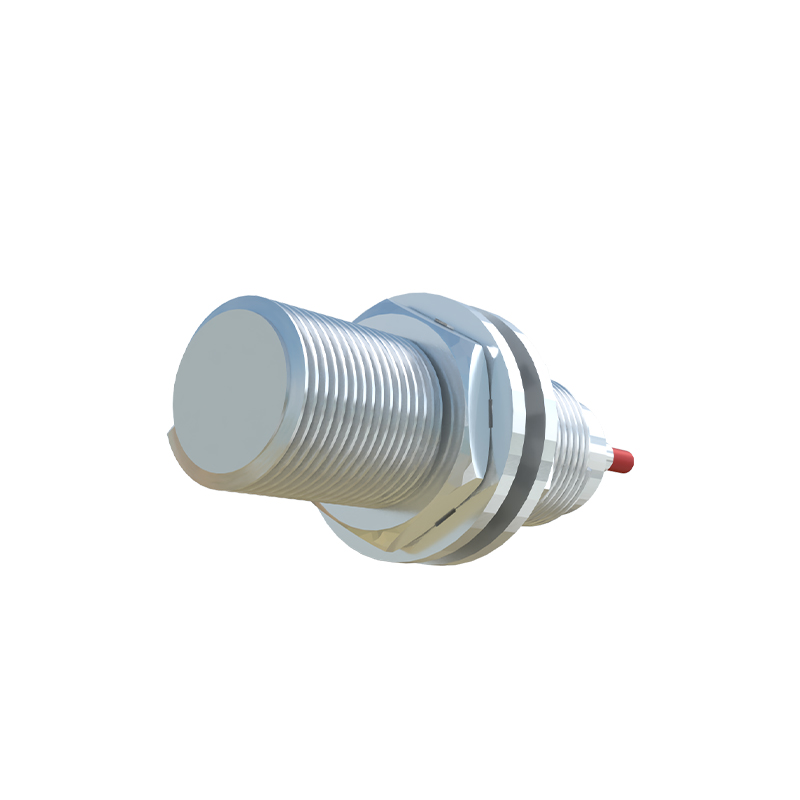
A proximity switch, specifically, is a type of sensor. Its defining characteristic is its primary function: to detect the presence or absence of a target object within a specified range without any physical contact. This non-contact operation is its key advantage, eliminating mechanical wear and allowing for high-speed, reliable detection. Proximity switches are predominantly digital devices; their output is typically a simple binary signal—either ON (object present) or OFF (object absent). This makes them ideal for straightforward detection tasks in automation, such as counting objects on a conveyor, verifying the position of a machine part, or initiating a sequence when an item arrives at a specific point.
The operational technology behind proximity switches further defines them. The most common types include:
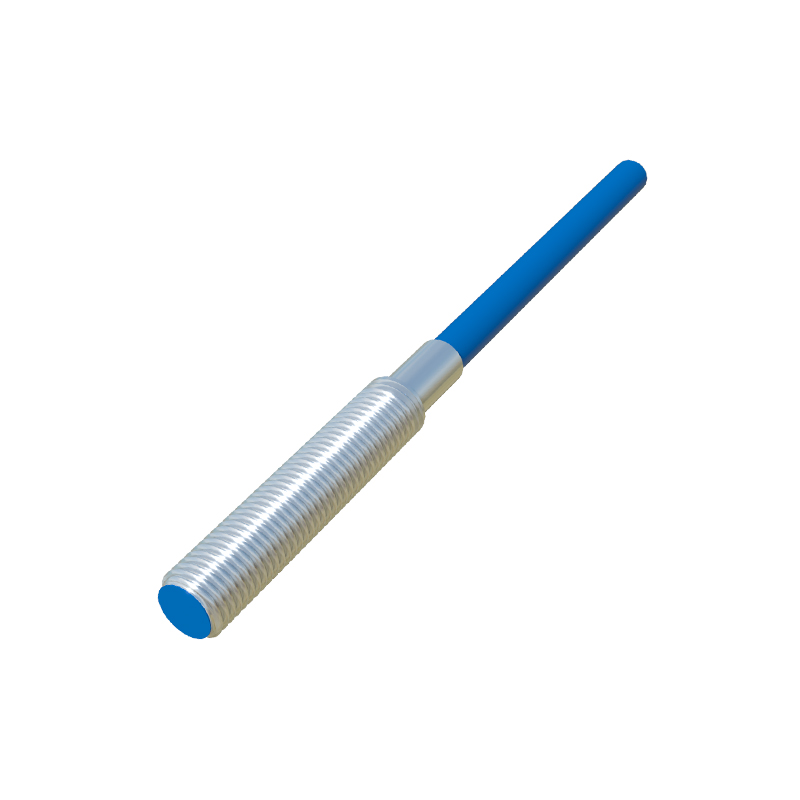
1. Inductive Proximity Switches: These detect metallic objects (primarily ferrous metals like steel and iron, though some can sense non-ferrous metals). They generate an electromagnetic field. When a metal object enters this field, it induces eddy currents, causing a change in the field's oscillation which the switch detects, triggering its output.
2. Capacitive Proximity Switches: These can detect both metallic and non-metallic materials (plastics, wood, liquids, powders). They generate an electrostatic field. Any object that enters this field alters its capacitance, and the switch senses this change to activate.
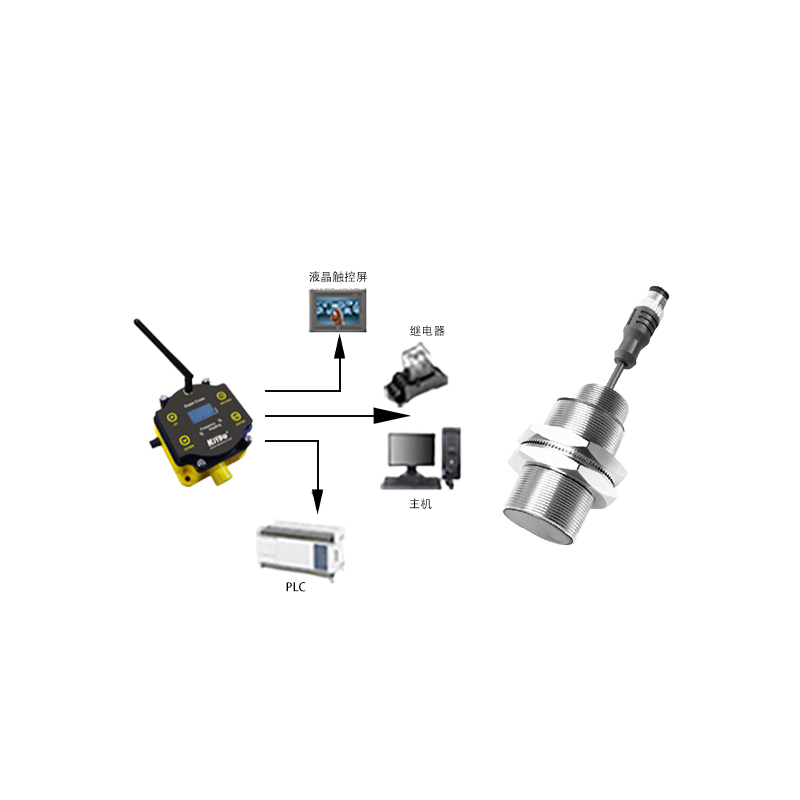
3. Ultrasonic Proximity Switches: These emit high-frequency sound waves and measure the time it takes for an echo to return. They are used for detecting objects at greater distances and can also measure distance (analog output).
4. Photoelectric Switches: While sometimes categorized separately, they function as proximity devices. They use a beam of light (visible, infrared, or laser) and detect its presence, absence, or reflection to sense an object. They are excellent for long-range detection and can sense virtually any material.
The critical distinction lies in the application intent and output. A "sensor" is a general-purpose measuring device. A temperature sensor provides a value—it tells you how hot. A pressure sensor tells you how much force. Their output is information-rich and often analog. A proximity switch, however, is a task-specific detecting device. It answers a simple yes/no question: "Is the object here or not?" Its output is a clean, digital command signal.
This difference dictates their roles on a factory floor or within a machine. A capacitive level sensor might provide a continuous 4-20mA signal representing the exact fluid level in a tank (a sensor function). An inductive proximity switch mounted on that same tank might simply provide a discrete signal to a pump controller when the level falls too low, commanding it to turn on (a switch function). Both are sensing, but the proximity switch is explicitly designed to act as a direct input for a control action—to switch something on or off based on presence.
In summary, while the terminology overlap is understandable, precision matters in engineering. A proximity switch is a specialized subset of sensors. It is a non-contact, object-detection device with a primary digital output used for control and automation sequencing. The broader category of "sensors" encompasses all devices that translate physical parameters into usable signals, including those for measurement and monitoring with both analog and digital outputs. Recognizing this distinction ensures accurate communication, prevents specification errors, and leads to more robust and efficient system design.