In the dynamic landscape of industrial automation and electrical engineering, the decision to replace a proximity sensor supplier is a significant one. Proximity sensors are critical components in countless applications, from assembly lines and packaging machinery to safety systems and material handling. A change in supplier can impact product quality, system reliability, lead times, and overall operational costs. This guide outlines the key considerations, steps, and potential candidates involved in this process, tailored for industry professionals.
The initial phase involves a thorough assessment of the why. Common drivers for supplier replacement include consistent quality issues, unreliable delivery schedules, lack of technical support, cost inefficiencies, or the supplier discontinuing a critical product line. Perhaps your current supplier's sensors are failing prematurely in a harsh environment, or their communication protocols are not keeping pace with your move towards Industry 4.0 integration. Clearly defining the pain points with the incumbent supplier establishes the baseline requirements for a new partner. This should include not just sensor specifications (sensing distance, output type, housing material, IP rating), but also commercial terms and service expectations.
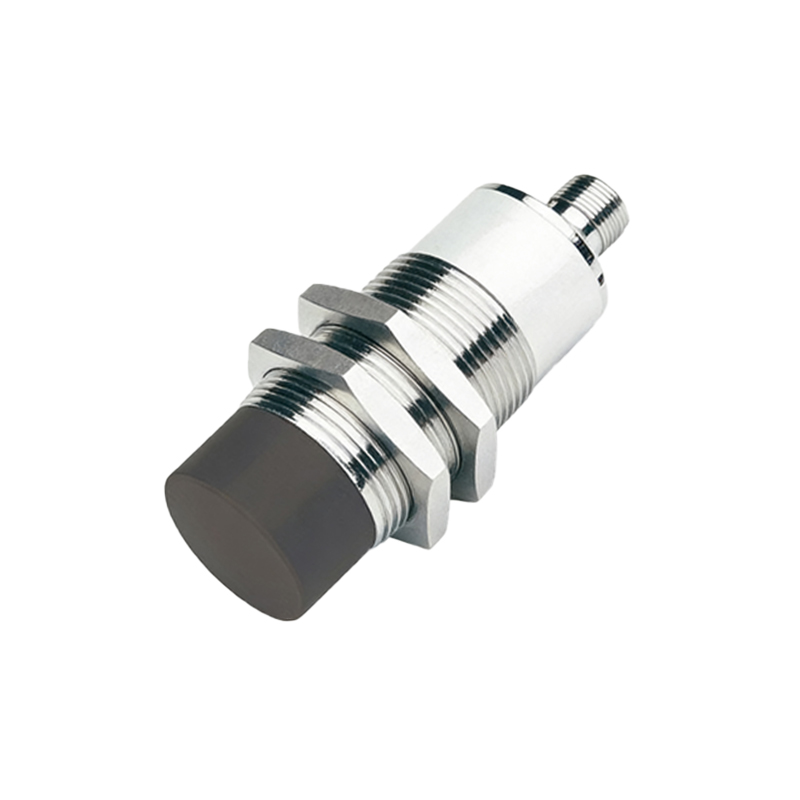
Once the requirements are solidified, the research and sourcing stage begins. The global market for proximity sensors is populated by numerous established and emerging players. Leading multinational corporations like Sick AG, Pepperl+Fuchs, Omron, Balluff, and ifm electronic offer extensive portfolios with high reliability, global distribution, and robust technical resources. These suppliers are often a safe choice for complex or mission-critical applications. Regional specialists or more niche manufacturers might offer competitive advantages in specific areas, such as extreme temperature tolerance, miniaturization, or custom design flexibility. Utilizing industry directories, trade publications like Control Engineering or Automation World, and professional networks is crucial for identifying potential candidates.
Evaluating potential suppliers goes beyond comparing datasheets. A comprehensive evaluation matrix should include:
Technical Capability & Product Range: Does their standard catalog meet your needs, or can they provide modifications? Assess the quality of documentation and technical data.
Quality & Reliability: Request failure rate (MTBF) data, certifications (ISO, UL, CE), and consider requesting samples for in-house testing under real-world conditions.
Supply Chain & Logistics: Evaluate their manufacturing locations, lead times, inventory policies, and distribution network. Resilience to supply chain disruptions has become a paramount concern.
Commercial Terms: Analyze total cost of ownership, including unit price, shipping, minimum order quantities, and payment terms.
Support & Service: The availability and expertise of application engineers, warranty policies, and after-sales support are vital for long-term success.
The transition from one supplier to another is a project in itself. It requires careful planning to avoid production downtime. A phased approach is often best. Begin by qualifying the new sensor in a non-critical or new application. Conduct side-by-side performance tests with the existing sensor. Update all relevant engineering documentation, including bills of materials, CAD drawings, and PLC programs if the sensor's electrical characteristics or dimensions differ. Ensure maintenance and operational teams are trained on the new product. Communication with both the outgoing and incoming suppliers is essential to manage inventory run-down and new stock build-up.
Finally, consider the broader ecosystem. A proximity sensor does not operate in isolation. Compatibility with existing cabling, connectors, and interface modules (like AS-i or IO-Link masters) must be verified. Switching to a supplier that uses a proprietary connector style, for example, could necessitate a costly changeover of infrastructure. Furthermore, aligning with a supplier whose strategic vision matches your company's direction in areas like IIoT connectivity, digital twins, or predictive maintenance can offer long-term strategic benefits beyond the immediate component replacement.
In conclusion, replacing a proximity sensor supplier is a strategic decision requiring meticulous technical and commercial evaluation. By systematically defining requirements, researching the market, rigorously evaluating candidates, and executing a managed transition, electrical engineers and procurement specialists can secure a supply chain partnership that enhances system performance, reliability, and cost-effectiveness for years to come.