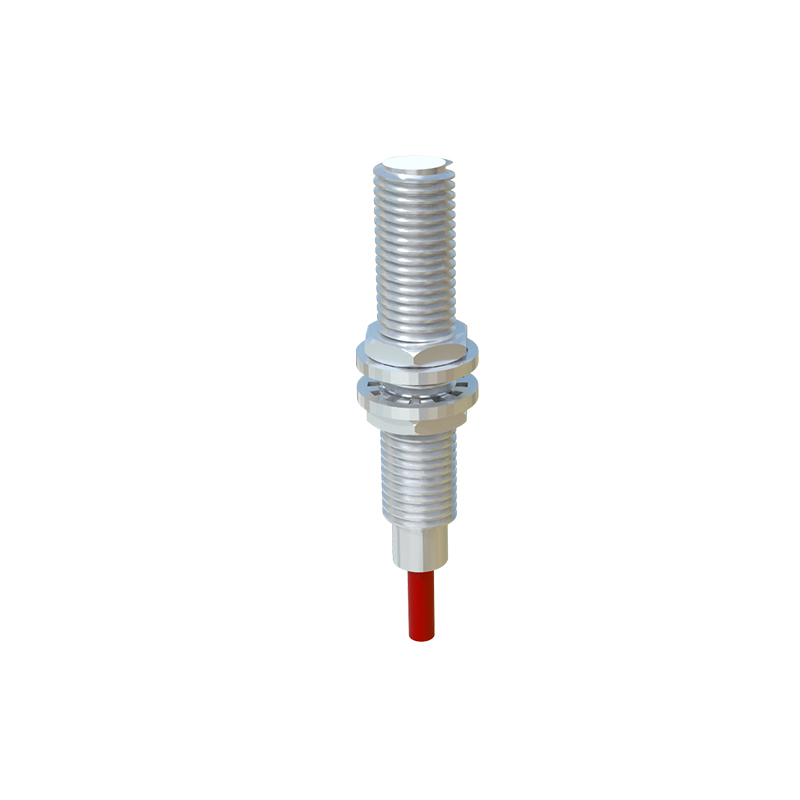
Proximity sensors are essential components in modern industrial automation, enabling non-contact detection of objects within a specified range. These devices play a critical role in enhancing efficiency, safety, and precision across various applications, from manufacturing assembly lines to automotive systems. As an electrical engineer, understanding the different types of proximity sensors, their operating principles, and ideal use cases is fundamental to selecting the right sensor for any project. This guide provides a detailed overview of the primary categories of proximity sensors, their technical specifications, and practical considerations for implementation.
The first major category is inductive proximity sensors. These sensors detect metallic objects—typically ferrous metals like iron and steel—by generating an electromagnetic field. When a metal object enters this field, it induces eddy currents, causing a change in the sensor's oscillation amplitude. This change triggers an output signal, indicating the object's presence. Inductive sensors are highly reliable in harsh environments, resistant to dust, moisture, and vibrations. They are commonly used in metal detection applications, such as counting parts on a conveyor belt or monitoring machine tool positions. However, their limitation lies in being unable to detect non-metallic materials, which necessitates alternative sensor types for broader applications.
Capacitive proximity sensors represent another widely used type. Unlike inductive sensors, capacitive variants can detect both metallic and non-metallic objects, including liquids, plastics, glass, and wood. They operate by generating an electrostatic field and measuring changes in capacitance when an object enters the sensing area. This makes them versatile for diverse industries, such as food processing (detecting liquid levels in containers) or packaging (identifying plastic materials). Engineers should note that capacitive sensors can be sensitive to environmental factors like humidity or temperature fluctuations, requiring careful calibration. Their adjustable sensitivity allows for customization, but it may also lead to false triggers if not properly configured.
Magnetic proximity sensors, often referred to as reed switches or Hall effect sensors, detect magnetic fields. Reed switches consist of two ferromagnetic reeds sealed in a glass tube, which close or open in response to a magnetic field. Hall effect sensors, on the other hand, generate a voltage proportional to the magnetic field strength. These sensors are ideal for applications involving permanent magnets or electromagnets, such as position sensing in cylinders or speed detection in rotating machinery. They offer long operational life and high switching speeds but are limited to magnetic targets. In automotive systems, for instance, magnetic sensors monitor wheel speed for anti-lock braking systems (ABS), showcasing their reliability in safety-critical functions.
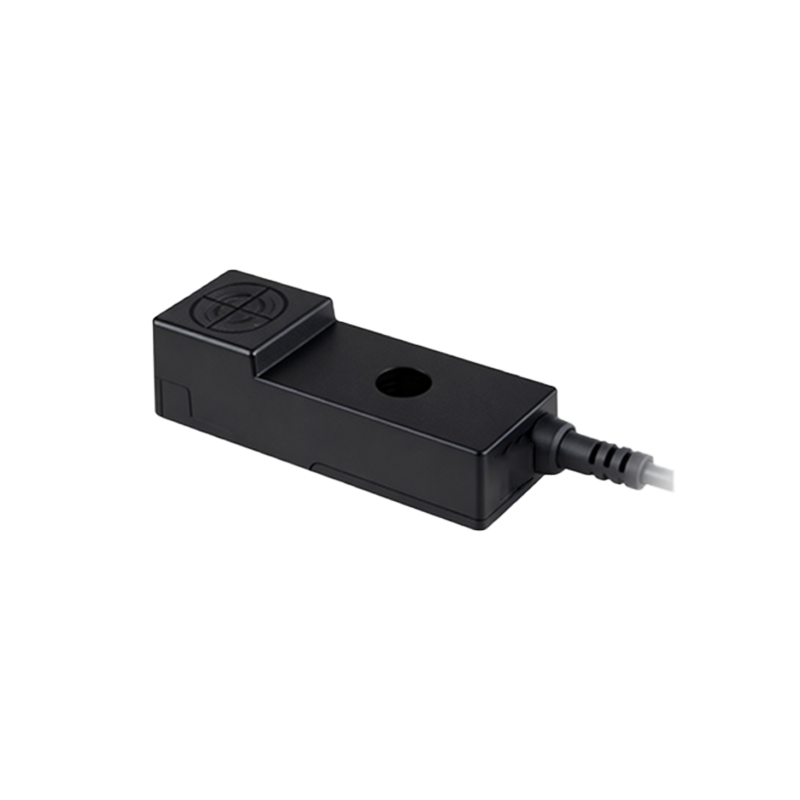
Ultrasonic proximity sensors utilize sound waves beyond the human hearing range (typically above 20 kHz) to detect objects. They emit ultrasonic pulses and measure the time taken for echoes to return, calculating distance based on sound speed. This technology enables detection of various materials, regardless of color or transparency, and is effective in challenging conditions like fog or dust. Common applications include level sensing in tanks, obstacle detection in robotics, and parking assistance in vehicles. Engineers must consider factors like temperature and air turbulence, which can affect sound wave propagation, potentially impacting accuracy. Despite this, ultrasonic sensors provide excellent range capabilities, with some models detecting objects several meters away.
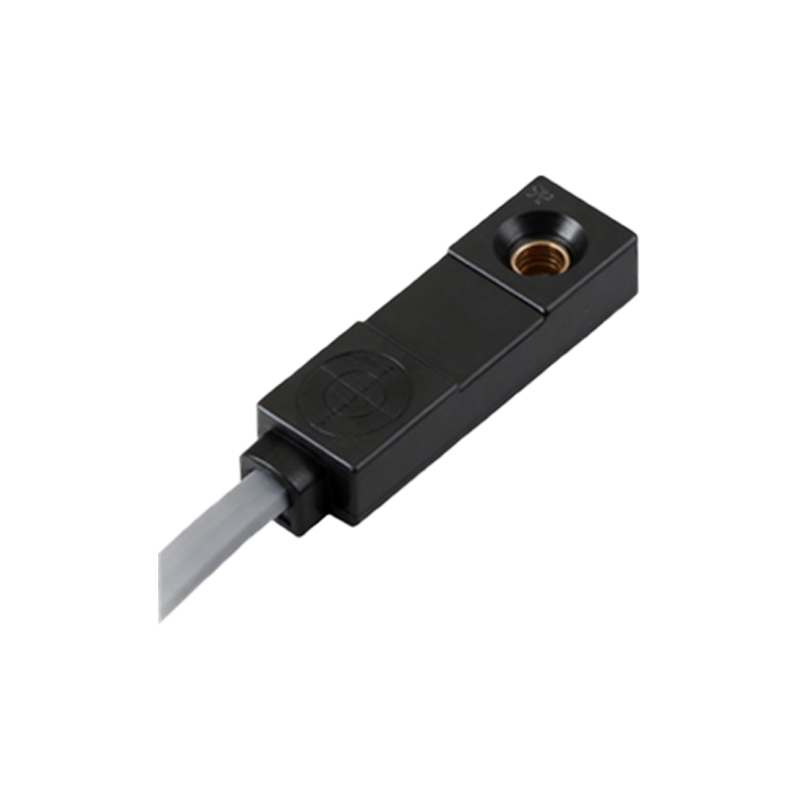
Optical proximity sensors, including photoelectric types, use light beams—often infrared, laser, or LED—to sense objects. They consist of an emitter and a receiver; when an object interrupts or reflects the light beam, the sensor triggers an output. These sensors are categorized into through-beam, retro-reflective, and diffuse reflective modes, each suited for specific scenarios. Through-beam sensors offer the longest detection ranges and high accuracy, ideal for conveyor systems in logistics. Retro-reflective sensors use a reflector to bounce light back, suitable for medium-range applications. Diffuse sensors detect objects by reflecting light directly off the surface, making them compact for space-constrained setups. Optical sensors excel in detecting small or fast-moving objects but may be affected by ambient light or dirty lenses, necessitating regular maintenance.
In summary, selecting the appropriate proximity sensor depends on factors like target material, environmental conditions, detection range, and cost. Inductive sensors are best for metallic targets in industrial settings, while capacitive sensors handle diverse materials in controlled environments. Magnetic sensors offer durability for magnetic applications, ultrasonic sensors provide versatility in non-contact distance measurement, and optical sensors deliver precision for high-speed automation. As technology advances, smart sensors with integrated IoT capabilities are emerging, enabling real-time data monitoring and predictive maintenance. Engineers should stay updated on these trends to optimize system performance. By leveraging this knowledge, professionals can design robust automation solutions that enhance productivity and innovation across the electrical engineering landscape.