In the realm of winter maintenance and environmental monitoring, the accurate measurement of snow depth is a critical parameter. Traditional methods, such as manual snow stakes or ultrasonic sensors, often fall short in terms of precision, reliability, and real-time data acquisition. Enter the online laser snow depth sensor—a sophisticated technological solution that is revolutionizing how industries and agencies manage snow and ice.
Online laser snow depth sensors operate on the principle of time-of-flight (ToF) measurement. A laser diode emits a focused beam of light towards the target surface—the snowpack. The light reflects off the snow and returns to a detector within the sensor. By precisely calculating the time difference between emission and reception, the sensor determines the distance to the snow surface with exceptional accuracy, often within millimeters. This distance measurement, when referenced against a fixed baseline (like the ground or sensor mounting point), yields the precise snow depth.
The advantages of laser-based systems are manifold. Firstly, laser light is highly coherent and minimally affected by atmospheric conditions like wind, light snow, or fog, which can plague ultrasonic alternatives. This ensures consistent, reliable readings in true field conditions. Secondly, these sensors offer a very small measurement spot due to the focused beam. This allows for precise point measurement, minimizing errors from uneven snow surfaces or debris. Many advanced models also incorporate algorithms to filter out signals from falling snowflakes, ensuring the measurement reflects only the settled snowpack.
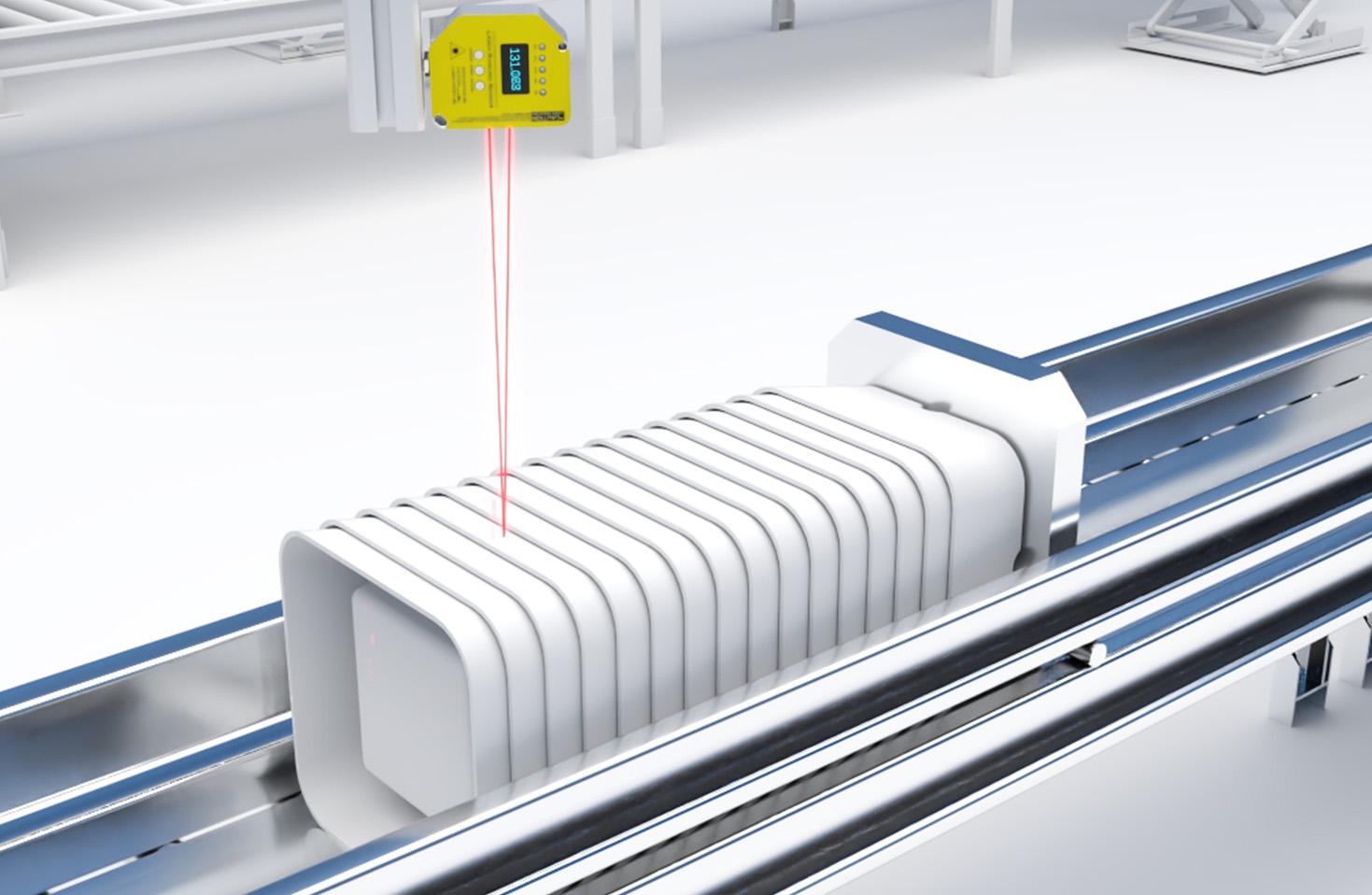
Integration into online monitoring networks is a key feature. Modern laser snow depth sensors are equipped with robust communication interfaces, such as Modbus, SDI-12, or wireless protocols like LoRaWAN and cellular (4G/5G). This enables seamless integration into SCADA systems, IoT platforms, and cloud-based dashboards. Data can be transmitted in real-time to central operations centers, allowing for immediate analysis and decision-making. For instance, highway departments can monitor snow accumulation rates across a network of sensors along a mountain pass, optimizing plow dispatch and de-icing material application. This data-driven approach enhances safety, improves operational efficiency, and reduces resource consumption and environmental impact.

Applications for online laser snow depth sensors are extensive. In transportation, they are vital for road and railway maintenance, airport runway monitoring, and avalanche forecasting along critical corridors. In hydrology and climate science, they provide essential data for snow water equivalent (SWE) modeling, watershed management, and climate change research by offering long-term, high-resolution snowpack records. The agriculture and winter sports industries also benefit, using data for frost protection, irrigation planning, and ski resort snowpack management.
When selecting and deploying an online laser snow depth sensor, several factors must be considered. The sensor's measurement range should suit the maximum expected snow depth, with typical models covering 0-10 meters or more. The housing must be ruggedized to IP67 or higher standards, capable of withstanding extreme temperatures, heavy precipitation, and UV exposure. Power options are crucial for remote sites; many units offer low-power consumption designs compatible with solar panel systems. Furthermore, the choice between a visible red laser or an infrared laser can be important; infrared lasers are less visible to the human eye and may be preferable in certain public or sensitive areas, though both are eye-safe at the power levels used.

Installation requires careful planning. The sensor should be mounted on a stable, vibration-free pole or structure, high enough to avoid being buried by the maximum anticipated snowfall. The laser beam must have a clear, unobstructed view of a representative ground area. It is often recommended to install a fixed reference target or use known ground level calibration to ensure long-term accuracy. Regular maintenance is minimal but should include periodic checks for lens cleanliness—ensuring snow, ice, or dirt do not accumulate on the protective window, which could attenuate the laser signal.
The future of this technology points towards even greater integration and intelligence. We are seeing the emergence of multi-parameter stations that combine laser snow depth with other sensors for temperature, humidity, wind, and surface conditions. Advances in edge computing allow these sensors to perform initial data processing and anomaly detection locally before transmission. Furthermore, the integration of data from laser snow sensors with weather radar and satellite imagery through AI and machine learning models is creating powerful predictive tools for snowmelt floods and avalanche risk.
In conclusion, the online laser snow depth sensor represents a significant leap forward in measurement technology. By delivering high-precision, real-time data directly to decision-makers' fingertips, it transforms snow and ice management from a reactive task into a proactive, optimized science. Its reliability, precision, and connectivity make it an indispensable tool for any organization tasked with managing the challenges and opportunities presented by winter weather, ultimately contributing to safer communities and more sustainable environmental practices.