In the rapidly evolving landscape of industrial automation, the integration of proximity sensors directly into amplifier units represents a significant technological leap. This convergence enhances system reliability, reduces installation complexity, and optimizes performance in demanding environments. Amplifier-integrated proximity sensors combine signal conditioning and sensing elements into a single compact device, eliminating the need for separate sensor-amplifier wiring and external processing units. This design minimizes signal degradation and electromagnetic interference, which are common challenges in traditional setups.
The core principle involves embedding inductive, capacitive, or photoelectric sensing technology within the amplifier housing. Inductive variants are predominant in metal detection applications, while capacitive sensors handle non-metallic materials, and photoelectric types are used for precise distance measurement. The integrated amplifier immediately processes the raw sensor signal, converting it into a standardized output such as a digital switch signal or analog voltage/current. This immediate processing reduces latency, allowing for faster response times—critical in high-speed manufacturing lines, robotic assembly, and packaging machinery.
One of the primary advantages is the simplification of system architecture. Traditional systems require separate sensors, cables, and amplifiers, leading to potential points of failure and increased maintenance. With built-in designs, the component count drops, enhancing mean time between failures (MTBF). Additionally, these integrated units often feature advanced diagnostics, such as continuous monitoring of sensor health and output status, enabling predictive maintenance. This capability helps prevent unexpected downtime, a key cost factor in industries like automotive manufacturing, food processing, and logistics.
Installation and commissioning are notably streamlined. Technicians can mount a single device rather than multiple components, reducing wiring errors and saving time. Many models offer plug-and-play functionality with programmable parameters, such as sensing range and hysteresis, accessible via software interfaces or teach-in buttons. This flexibility allows customization for specific applications, from detecting minute objects on conveyor belts to ensuring precise positioning in CNC machines.
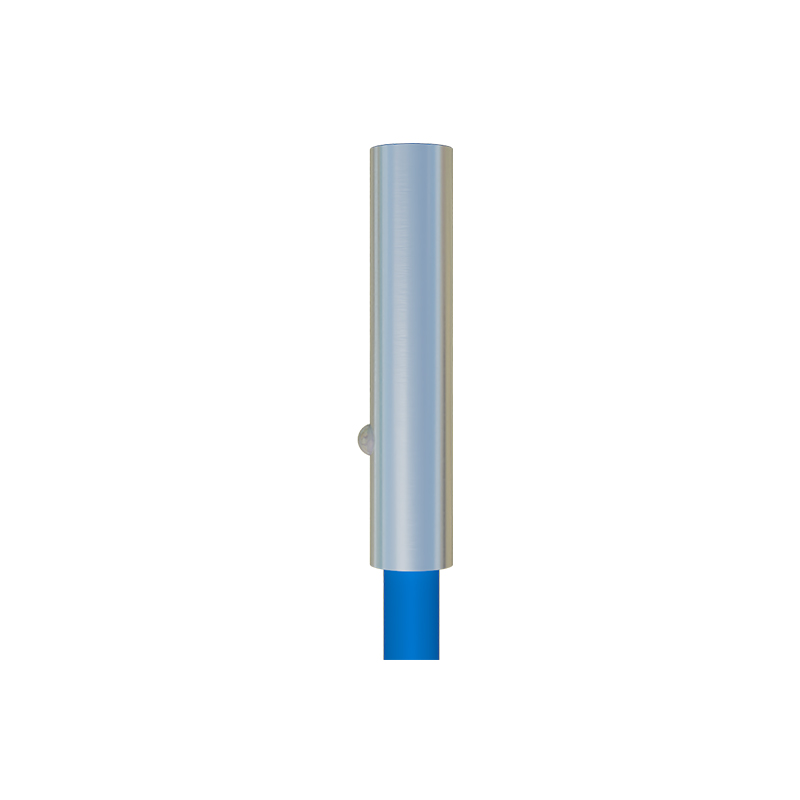
Energy efficiency is another benefit. By optimizing the sensor-amplifier interaction, power consumption is lower compared to discrete systems. This aligns with global trends toward sustainable industrial practices. Moreover, the compact form factor of integrated units saves valuable space in control cabinets and machinery, supporting the trend toward miniaturization in factory automation.
Despite these advantages, selection considerations remain crucial. Engineers must evaluate environmental factors like temperature extremes, humidity, and exposure to chemicals or vibrations. IP-rated enclosures are common for protection. Additionally, understanding the sensing range and output compatibility with PLCs or controllers is essential. For instance, in automotive welding lines, robust inductive sensors with high-temperature tolerance are preferred, whereas in cleanrooms, non-contaminating photoelectric sensors may be chosen.
Looking ahead, the integration of smart features like IO-Link communication is becoming standard. This enables real-time data exchange, remote configuration, and integration into Industrial Internet of Things (IIoT) networks. Such connectivity facilitates centralized monitoring and analytics, paving the way for more adaptive and efficient automation systems. In summary, amplifier-integrated proximity sensors are not merely a convenience but a strategic enhancement, driving productivity and reliability in modern industrial operations. Their adoption is poised to grow as industries seek smarter, leaner, and more resilient automation solutions.