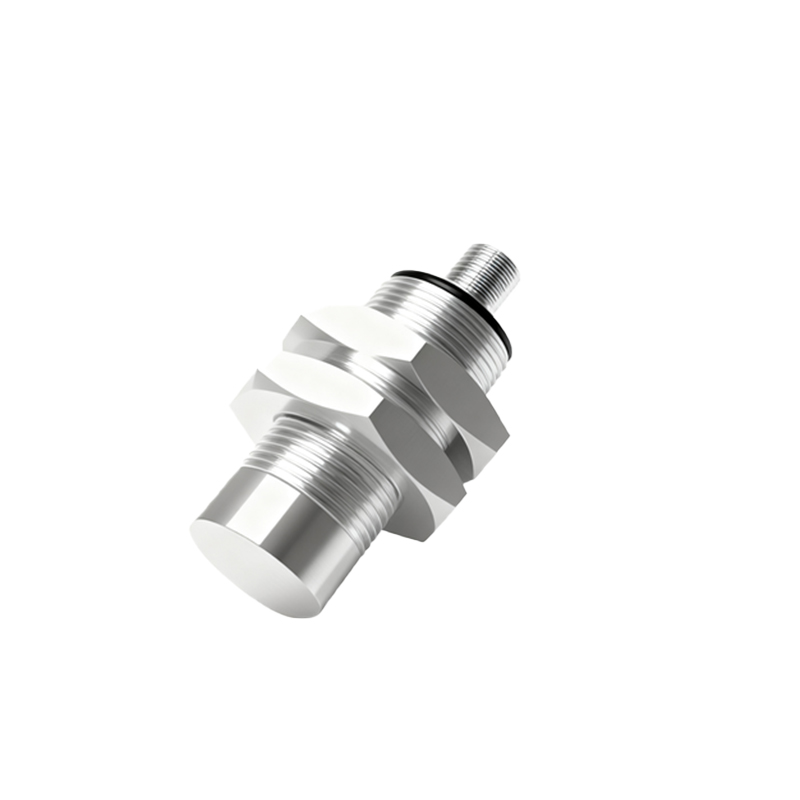
In the realm of industrial automation and machinery, S8 proximity sensors have emerged as a pivotal component, offering reliable non-contact detection capabilities. These sensors are widely utilized across various sectors, including manufacturing, automotive, packaging, and robotics, due to their precision, durability, and adaptability to harsh environments. S8 proximity sensors operate based on electromagnetic or capacitive principles, detecting the presence or absence of objects without physical contact, thereby minimizing wear and tear and enhancing operational efficiency.
One of the key applications of S8 proximity sensors is in assembly lines, where they ensure accurate positioning of parts, monitor production flow, and prevent collisions. For instance, in automotive manufacturing, these sensors are integrated into robotic arms to detect components like bolts or panels, enabling seamless automation. Similarly, in packaging industries, S8 sensors verify the presence of items on conveyor belts, triggering sorting mechanisms to optimize logistics. Their ability to function in extreme conditions—such as high temperatures, dust, or moisture—makes them ideal for heavy-duty operations in mining or construction equipment, where they monitor machinery movements and enhance safety protocols.
The technical specifications of S8 proximity sensors often include features like short-circuit protection, adjustable sensing ranges, and robust housing materials like stainless steel or plastic, catering to diverse industrial needs. Engineers value these sensors for their low maintenance requirements and long service life, which reduce downtime and operational costs. Moreover, advancements in S8 sensor technology have led to the development of smart variants with IoT connectivity, allowing for real-time data monitoring and predictive maintenance in Industry 4.0 setups. This integration enables factories to achieve higher productivity and quality control by analyzing sensor data to detect anomalies early.
When selecting an S8 proximity sensor, factors such as sensing distance, output type (e.g., NPN or PNP), and environmental resistance must be considered to ensure compatibility with specific applications. Proper installation and calibration are crucial to maximize performance; for example, aligning the sensor correctly with target objects avoids false triggers. In summary, S8 proximity sensors play a vital role in modern industrial ecosystems, driving automation and efficiency. As technology evolves, their applications are expected to expand further, supporting innovations in smart manufacturing and beyond.