In the realm of precision measurement and industrial automation, the bidirectional laser distance sensor stands out as a sophisticated and highly reliable tool. Unlike conventional unidirectional laser sensors, which typically measure distance by emitting a laser pulse and calculating the time-of-flight (ToF) for the reflection from a target, bidirectional sensors incorporate a more advanced principle. They utilize a cooperative target, often a retroreflector, and involve two distinct optical paths: one for the emitted beam and a separate, dedicated path for the returning signal. This fundamental architectural difference unlocks superior performance in challenging environments.
The core operational principle hinges on phase-shift measurement or a refined time-of-flight analysis. The sensor emits a modulated laser beam towards a retroreflector. This specialized reflector returns the beam along a parallel path directly back to the sensor's receiving unit. Because the return path is isolated and optimized, the sensor receives a much stronger and cleaner signal compared to diffuse reflection from a standard surface. The onboard processor then analyzes the phase difference between the emitted and received modulated signal, or precisely measures the round-trip time. This data is used to calculate the distance to the retroreflector with exceptional accuracy. The "bidirectional" nature refers to this clear separation of the outgoing and incoming optical channels within the system design.
The advantages of this technology are substantial, particularly in industrial settings. First and foremost is remarkable accuracy and long-range capability. By using a retroreflective target, signal loss is minimized, allowing for precise measurements over distances of hundreds of meters, even in suboptimal lighting conditions. Second is enhanced reliability and noise immunity. The dedicated receiver is less susceptible to ambient light interference, background optical noise, or false echoes from objects outside the measurement path. This makes it ideal for environments with dust, steam, or varying surface textures that would confound standard sensors. Third is stability. Measurements are consistently reliable regardless of the color or reflectivity of the background surface behind the retroreflector, as the sensor is locked onto the retroreflector's signal.

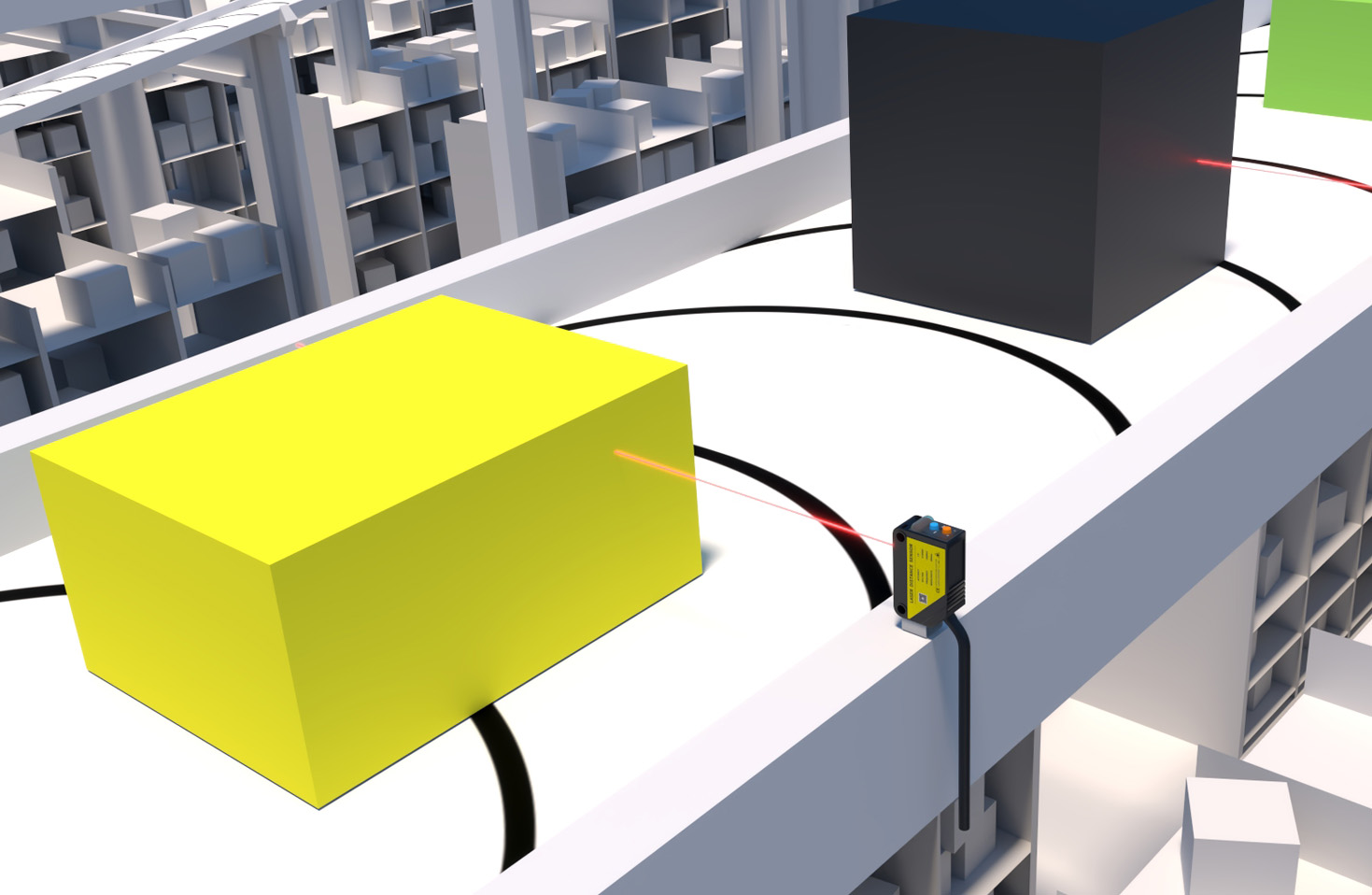
Applications for bidirectional laser distance sensors are diverse and critical. They are indispensable in large-scale metrology and alignment, such as positioning aircraft components during assembly, aligning massive machinery, or calibrating large antenna dishes. In the construction and civil engineering sector, they are used for monitoring structural deformation, guiding tunnel boring machines, and ensuring the flatness of large concrete pours. Industrial automation leverages them for precise positioning of gantry cranes, automated guided vehicles (AGVs) in warehouses, and robot calibration where absolute position over a large work envelope is required. Furthermore, they play a key role in geotechnical monitoring for tracking dam displacement, landslide movement, or bridge deflection with micron-level sensitivity over time.
Selecting the right bidirectional laser sensor requires careful consideration of several parameters. Measuring Range is the primary specification, varying from tens of meters to over a kilometer. Accuracy and Resolution are paramount; high-end models offer resolutions in the micron range and accuracies of a few parts per million. Measurement Rate (or frequency) determines how quickly the sensor can update the distance value, crucial for dynamic tracking applications. Environmental Robustness is a must, with ratings for IP protection against dust and water, and operational temperature ranges suited to harsh plants or outdoor sites. Finally, the interface (e.g., Ethernet, RS-485, analog outputs, PROFINET, EtherCAT) must integrate seamlessly with the existing control system.
When deploying these systems, proper installation is key. The sensor and retroreflector must have a clear, unobstructed line of sight. Vibration damping for both units may be necessary in high-vibration environments. Regular maintenance involves keeping the optical lenses clean and verifying the system calibration periodically, especially after physical shocks or extreme temperature cycles.
In conclusion, the bidirectional laser distance sensor represents the high end of non-contact measurement technology. Its unique design, leveraging a cooperative target and separated optical paths, provides unmatched accuracy, range, and reliability for demanding industrial and scientific applications. For engineers and system integrators tasked with solving complex positioning, alignment, or monitoring challenges over extended distances, understanding and utilizing this powerful tool is essential for achieving precision, efficiency, and operational certainty.
