In industrial automation and control systems, proximity sensors are indispensable components for detecting the presence or absence of objects without physical contact. When we refer to "proximity sensor extension," it typically involves two primary aspects: extending the sensing range of the sensor or extending its physical mounting and connection capabilities. This concept is crucial for adapting sensors to diverse and challenging application environments.
Firstly, extending the sensing range of a proximity sensor often involves selecting or configuring sensors with longer detection distances. Standard proximity sensors, such as inductive or capacitive types, have predefined sensing ranges based on their design and technology. For instance, an inductive proximity sensor might have a nominal range of 5mm to 40mm, but specialized models can offer ranges up to 100mm or more. This extension allows the sensor to detect objects from a greater distance, which is essential in applications where objects are large, move rapidly, or need to be monitored from a safe distance. Engineers may opt for sensors with extended ranges to avoid mechanical interference, reduce wear, or accommodate variable object positions.
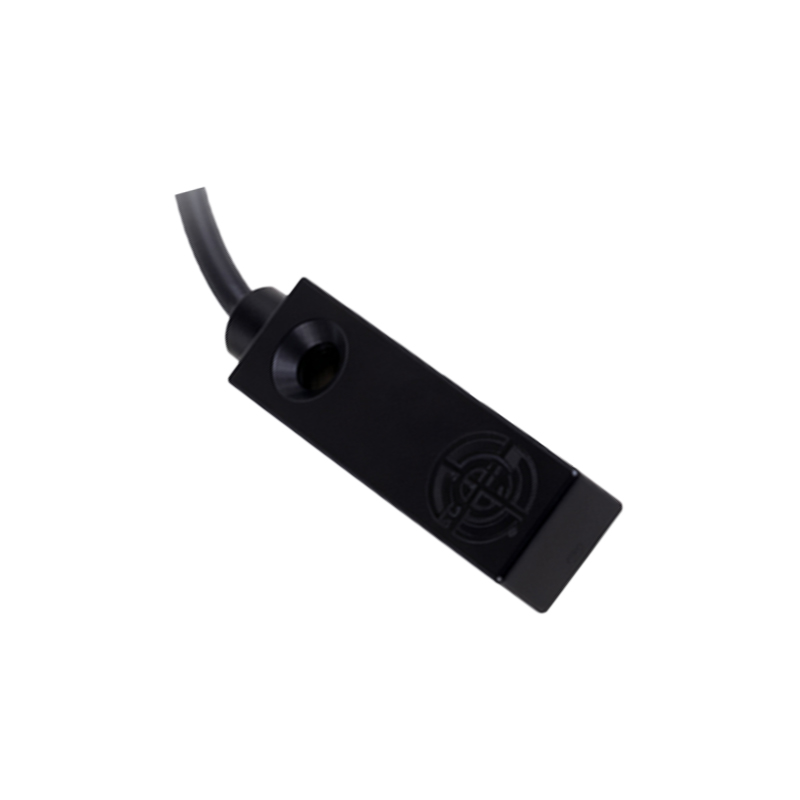
Secondly, physical extension refers to the use of accessories or modifications to mount the sensor remotely from its control unit or to position its sensing face in hard-to-reach areas. This can include extension cables, mounting brackets, or even custom-designed housings. For example, in a cramped machinery setup, a sensor might be installed using an extension bracket to protrude into a specific zone, while its wiring is connected via an extended cable to a distant PLC (Programmable Logic Controller). Such extensions ensure that the sensor can be placed optimally for accurate detection without compromising the system's layout or maintenance access. Key considerations here include maintaining signal integrity over longer cables, ensuring mechanical stability, and protecting the sensor from environmental factors like vibration, heat, or moisture.
The need for proximity sensor extension arises in various industrial scenarios. In automotive assembly lines, extended-range sensors might detect vehicle parts on fast-moving conveyors, while physical extensions allow sensors to be mounted around complex fixtures. In material handling systems, sensors with longer ranges can monitor pallet heights or object positions from a distance, improving safety and efficiency. Additionally, in hazardous environments, such as those with high temperatures or corrosive substances, extending the sensor away from the danger zone using thermal barriers or protective enclosures can prolong its lifespan and reliability.
When implementing proximity sensor extensions, engineers must account for technical factors. For sensing range extension, it's vital to understand the sensor's specifications, including its linearity, repeatability, and potential degradation with distance. Some sensors may experience reduced sensitivity or increased susceptibility to interference when operated at their maximum range. Calibration and testing in real-world conditions are recommended to ensure consistent performance. For physical extensions, cable length and type matter significantly; using shielded cables can prevent electromagnetic interference, while proper connectors and seals maintain environmental protection. Compliance with industry standards, such as IP ratings for ingress protection or NEMA ratings for enclosures, is also essential to guarantee durability.
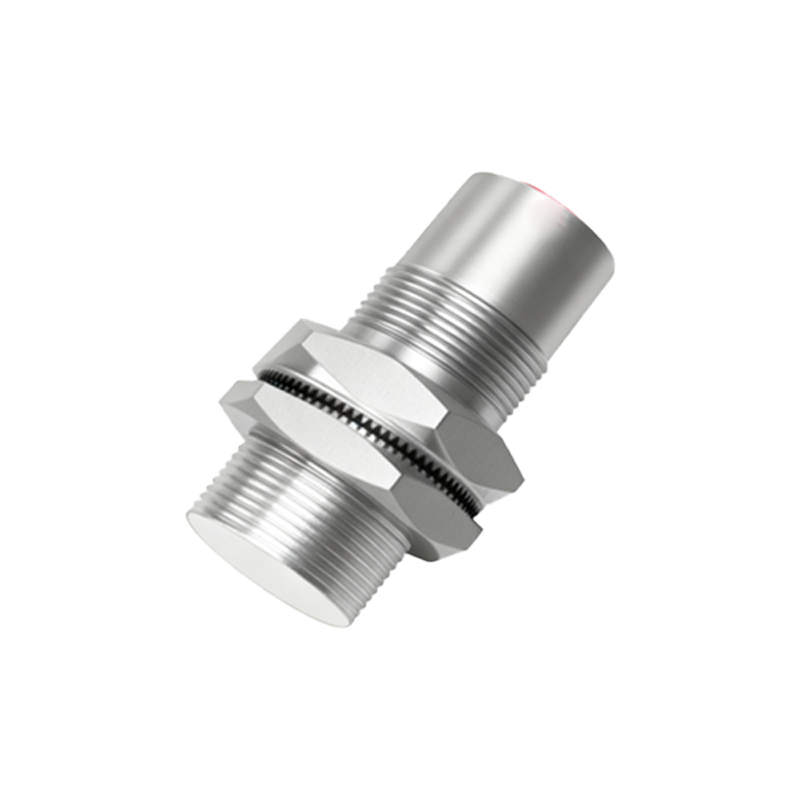
In summary, proximity sensor extension encompasses both enhancing detection capabilities and adapting physical installation to meet application demands. By leveraging extended-range sensors or auxiliary mounting solutions, industries can achieve greater flexibility, reliability, and precision in automation tasks. As technology advances, innovations like smart sensors with adjustable ranges or wireless extensions are emerging, offering even more possibilities for seamless integration. Engineers should evaluate their specific requirements, consult manufacturer guidelines, and consider factors like cost, maintenance, and system compatibility to optimize sensor performance through effective extension strategies.